
🎭 Fragments from the heart of civilization
The Living Legacy of a New Year Tree in Siberia
culturePublished 27 Nov 2025
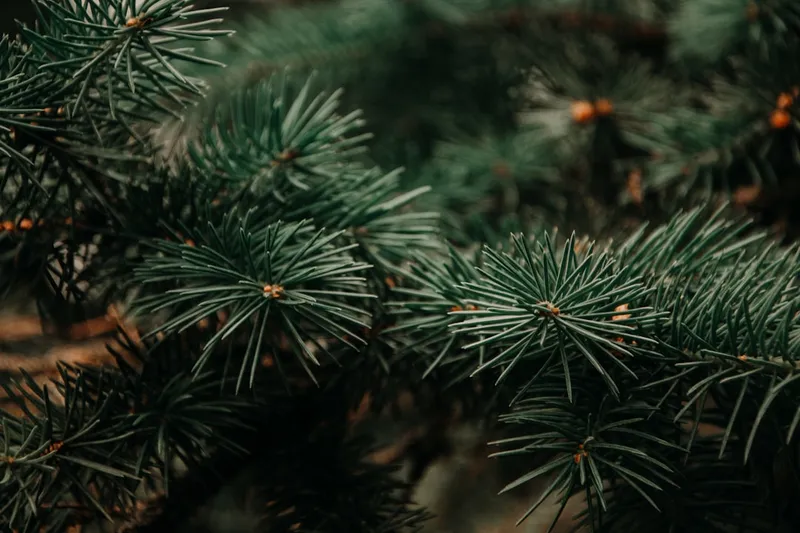
Image courtesy of Unsplash
- What: A century-old fir tree planted by Tsar Nicholas II in 1898 stands as a cultural symbol of celebration and resilience in a remote Siberian village.
- Where: Siberian village, Russia
- When: Planted in 1898, with traditions evolving into the 20th century
- How: The tree became a focal point for New Year celebrations, linking imperial traditions to modern practices.
- Why: It highlights the enduring significance of cultural traditions in shaping collective identity and hope.
A Century-Old Sentinel of Celebration
In a remote Siberian village, beneath the expansive sky, a towering fir tree stands resolute against the passage of time. Planted in 1898 by Tsar Nicholas II, this tree glimmers with layers of ice and snow, its branches draped in the soft glow of the evening. The crisp air carries whispers of a past steeped in imperial tradition. As night falls and the heavens come alive with stars, the tree symbolizes the enduring spirit of celebration, embodying hope amidst the shadows of history.
The Roots of Tradition and Identity
In the late 19th century, the Russian Empire was marked by grandeur and a sense of invincibility. The New Year tree tradition, introduced by Tsar Nicholas II, served not only as a seasonal ornament but as a cultural beacon. By erecting this majestic tree, the Tsar anchored the New Year’s festivities in a symbolic act of unity and continuity. From the winter solstice onward, this ritual grew to represent renewal and familial bonds across Russia, stretching from the imperial courts to the hearts of ordinary citizens. As the centuries turned, the tree evolved into a living testament to resilience and rebirth in a nation marked by tumult.
The Echo of Celebration and Reflection
Today, the essence of that initial ceremony remains alive as communities gather in the frosty embrace of winter, adorning their own trees with ornaments filled with memories. The act of planting—a simple yet profound gesture—symbolizes hope for future prosperity. The New Year tree has transcended its imperial origins, now celebrated in homes throughout Russia with lights twinkling in the dark, each flicker reminiscent of ancestral warmth and joy. This living link from Nicholas II to modern Russia challenges us to reconsider how traditions shape our collective identity, transforming the past into an intricate tapestry of shared memory and communal hope.
Did You Know?
- The custom of placing a New Year tree in Russian homes gained popularity during the early 20th century, becoming a cherished holiday symbol. - The original tree planted by Tsar Nicholas II can still be found in its Siberian village, a reminder of centuries past and a source of local pride. - In 1918, after the revolution, the New Year celebration was suppressed, but the tradition of decorating trees quietly persisted in homes across the country.
Keep Exploring
“CurioWire continues to uncover the world’s hidden histories — one curiosity at a time.”
Sources & References
- Russian State Archive — Historical records on the New Year tree tradition
- National Museum of Russian History — Exhibits on Tsar Nicholas II and cultural practices
- Journal of Russian Cultural Studies — Articles on the evolution of New Year celebrations