Sgt. Pepper UK First Pressing Groove Explained
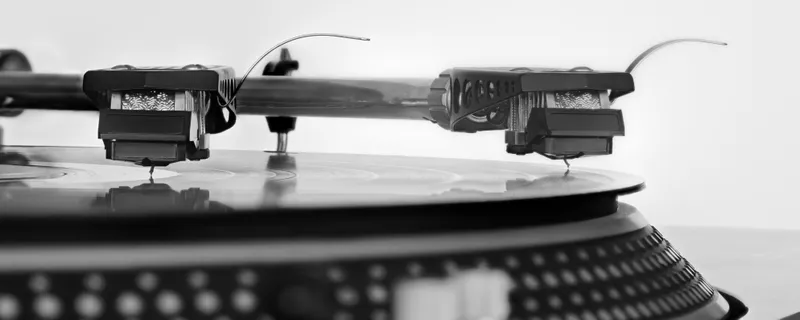
Early UK pressings of Sgt. Pepper's Lonely Hearts Club Band include a locked run-out groove and a 15 kHz tone at the end of side two, making them identifiable to collectors.
Read more →Examine artifacts of human ingenuity — inventions, design breakthroughs and the unexpected origins of everyday objects.

Early UK pressings of Sgt. Pepper's Lonely Hearts Club Band include a locked run-out groove and a 15 kHz tone at the end of side two, making them identifiable to collectors.
Read more →The phrase mattered because it defined Engelbart’s vision of computers as tools for improving human thinking and collaboration, a goal made visible in the “Mother of All Demos.”
Read more →
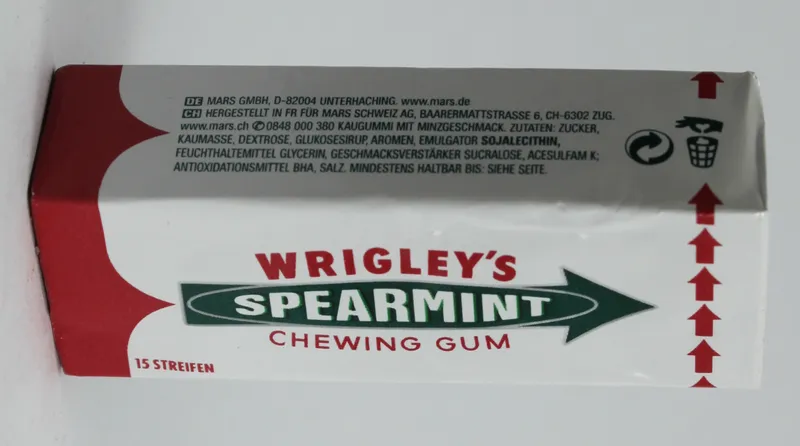
The first retail UPC barcode scan took place on a pack of Wrigley’s Juicy Fruit gum, marking the practical start of automated checkout in U.S. supermarkets.
Read more →
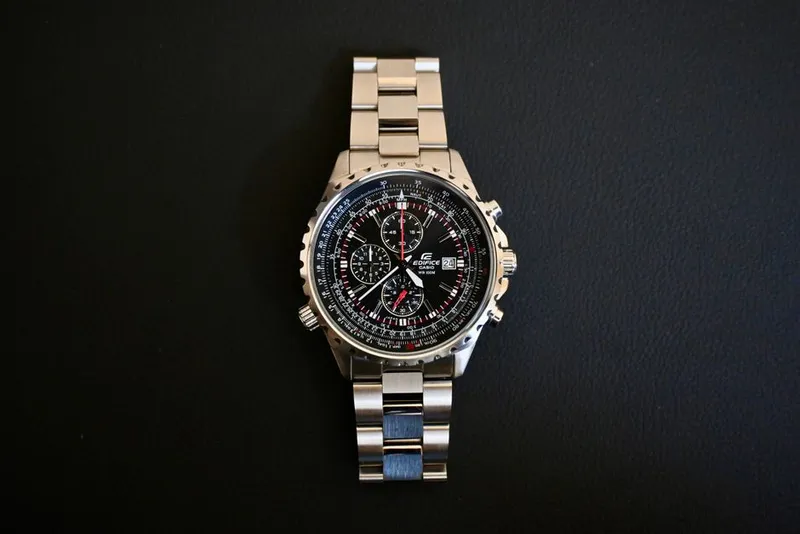
The article explains how pilot watches with slide-rule bezels worked as wrist-sized analog calculators for flight-related math such as fuel use, unit conversion, speed, and distance.
Read more →
Post-it Notes emerged when 3M matched Spencer Silver’s low-tack adhesive with Art Fry’s need for removable page markers, turning an overlooked material into a mass-market product.
Read more →
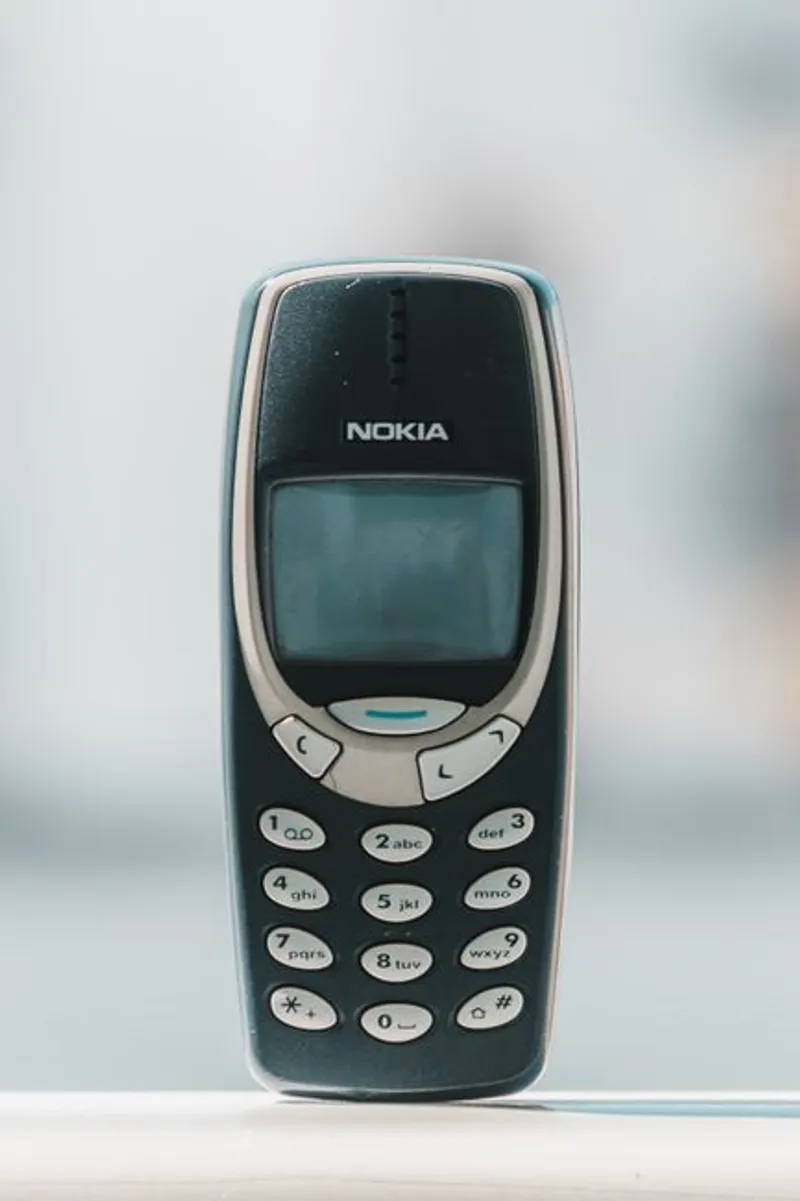
The article explains that some 1990s Nokia phones included NetMonitor-style field-test menus that exposed raw cellular network data such as signal strength and channel information.
Read more →
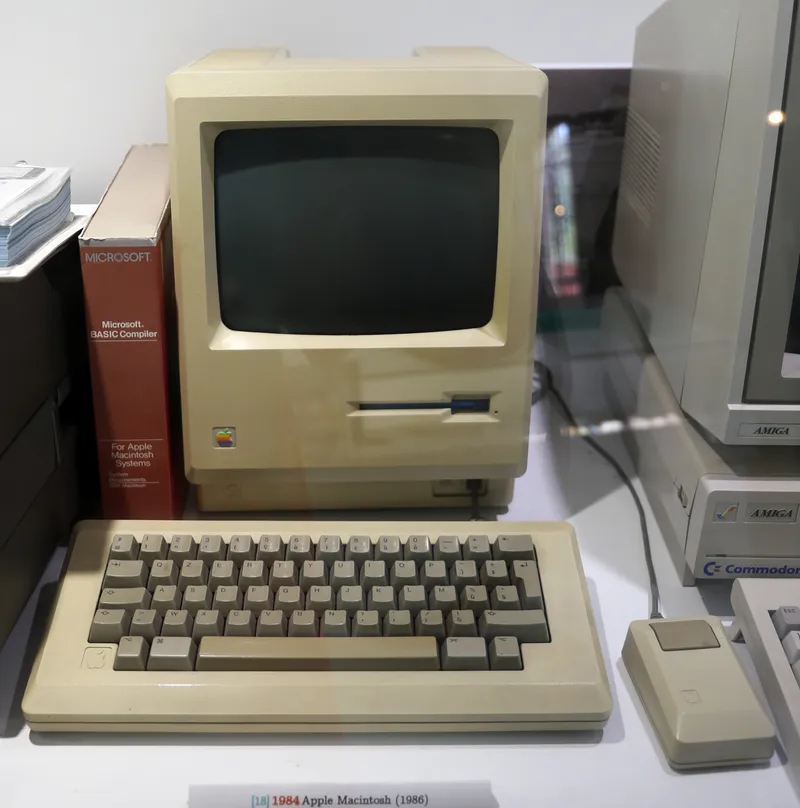
The article explains how Xerox PARC demonstrated an early graphical user interface, while Apple helped turn it into a mainstream personal-computing standard.
Read more →
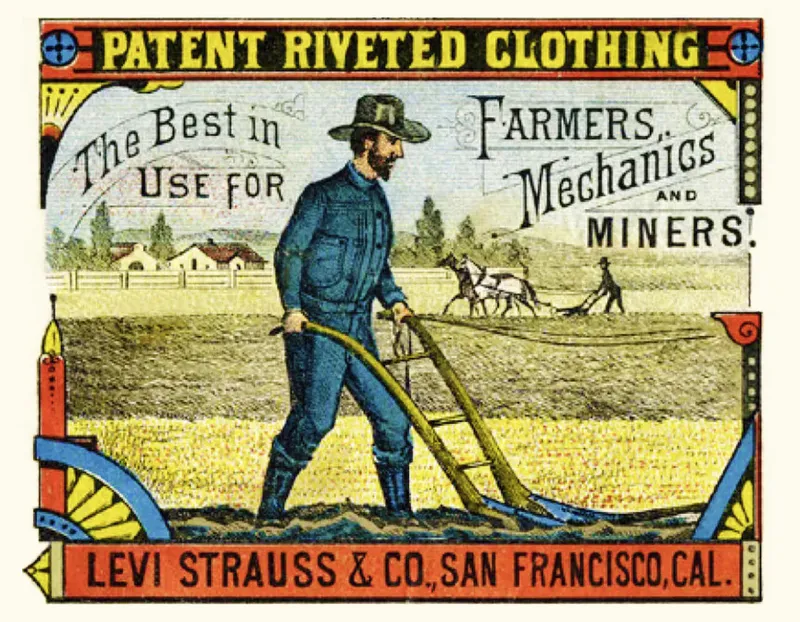
Jacob Davis added metal rivets to work pants to strengthen weak points, and the 1873 patent with Levi Strauss helped define riveted jeans.
Read more →
Hello Barbie’s Wi-Fi and app-related security flaws were identified around launch and patched quickly, highlighting how cybersecurity became part of toy safety.
Read more →
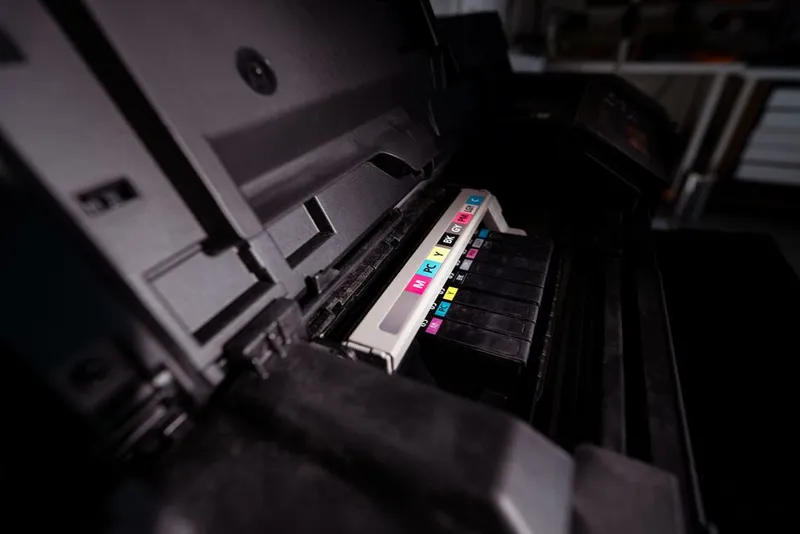
HP printer cartridge chips let cartridges identify themselves, report ink status, and in some cases determine whether the printer would accept or reject them, turning ink supply into a controlled system.
Read more →
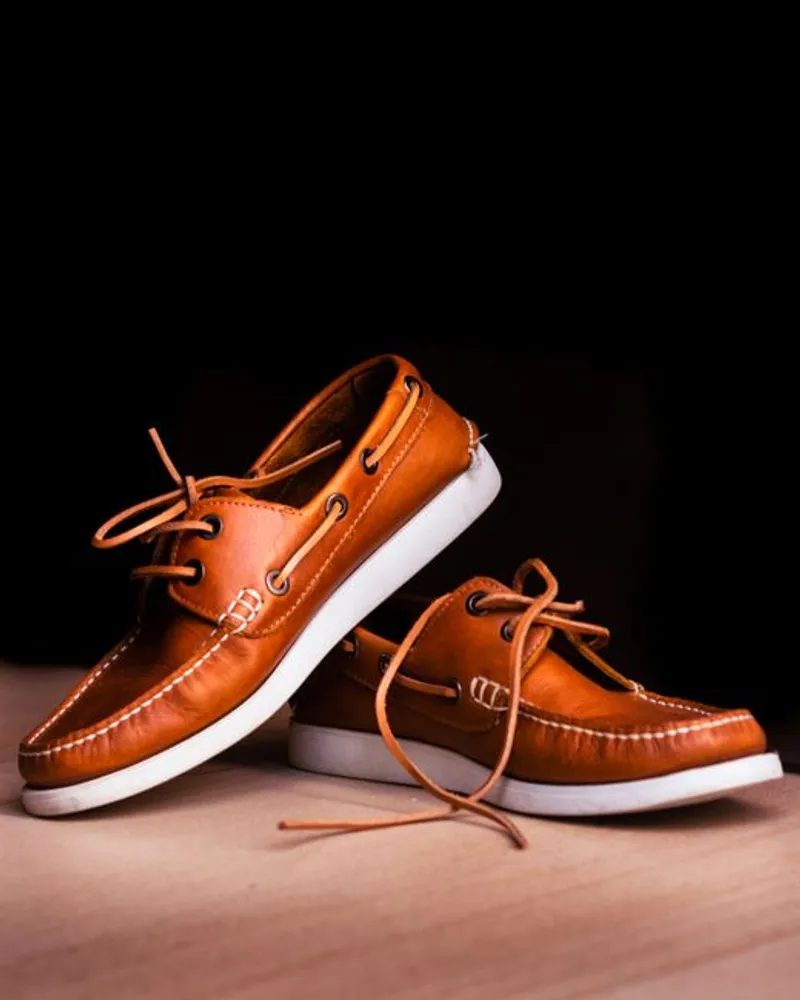
Paul Sperry developed the Sperry Top-Sider after noticing his dog’s paw traction, leading him to create a patented non-slip boat shoe with grooved rubber soles for better grip on wet decks.
Read more →
SodaStream’s West Bank factory became a global symbol in the boycott debate, with activists targeting its settlement location while the company highlighted shared Israeli-Palestinian employment before relocating production to Israel in 2015.
Read more →
James Dyson said the idea for his bagless vacuum came from a sawmill’s cyclone separator, which inspired a design that kept suction steadier than bag-based vacuums.
Read more →The quote became a shorthand for product iteration and persistence, emphasizing repeated testing and redesign rather than a single breakthrough moment.
Read more →
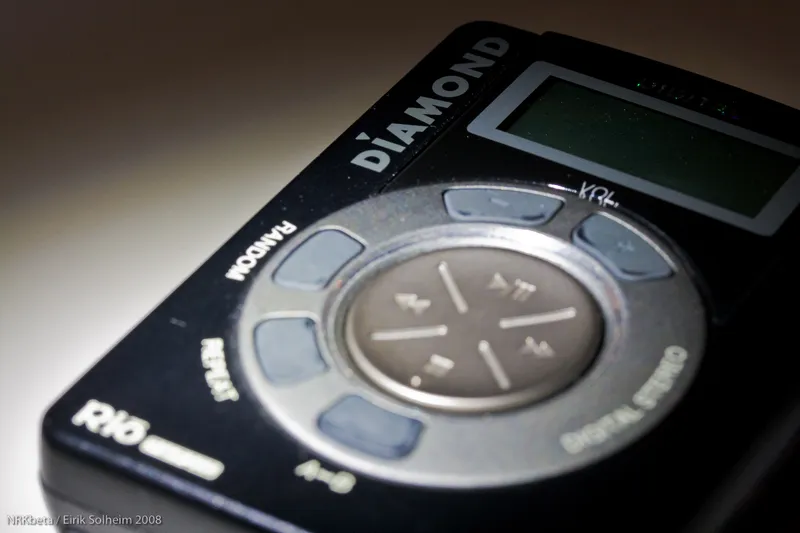
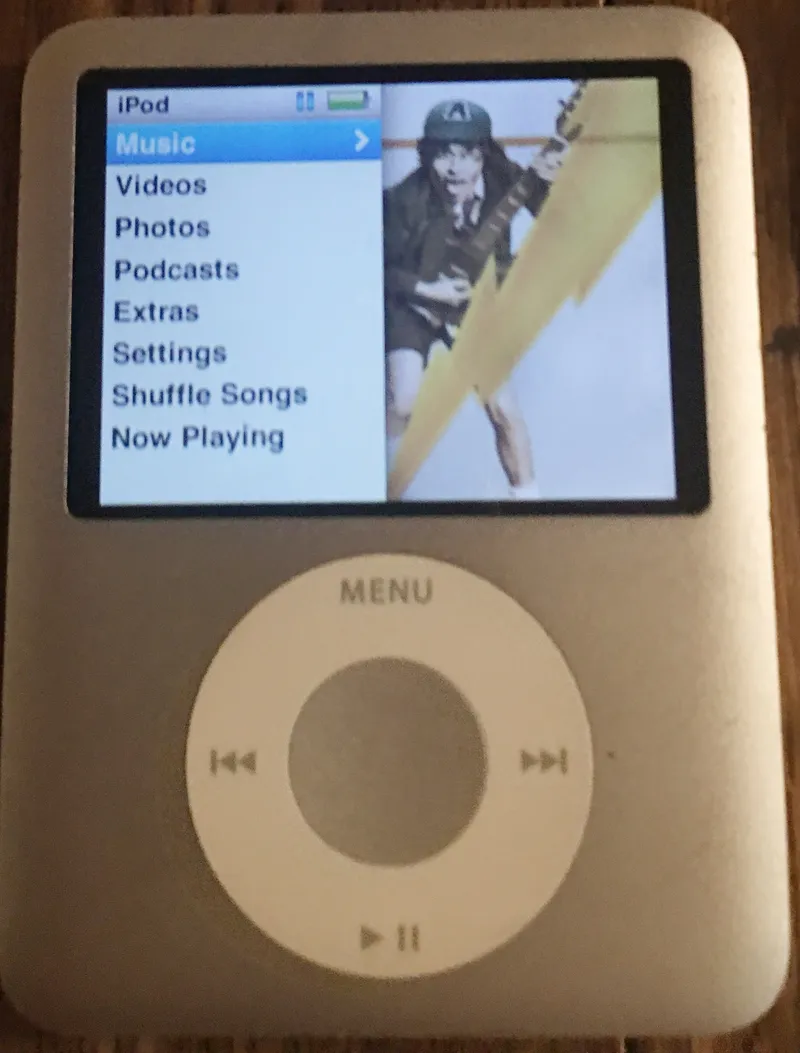
Some iPods included a diagnostic mode that could reveal Apple’s internal codenames, such as N20 Snowfox, through hidden service menus.
Read more →Montréal brand jeane & jax released a limited-edition jacket made from upcycled car-interior materials, with the material source as the main product story.
Read more →
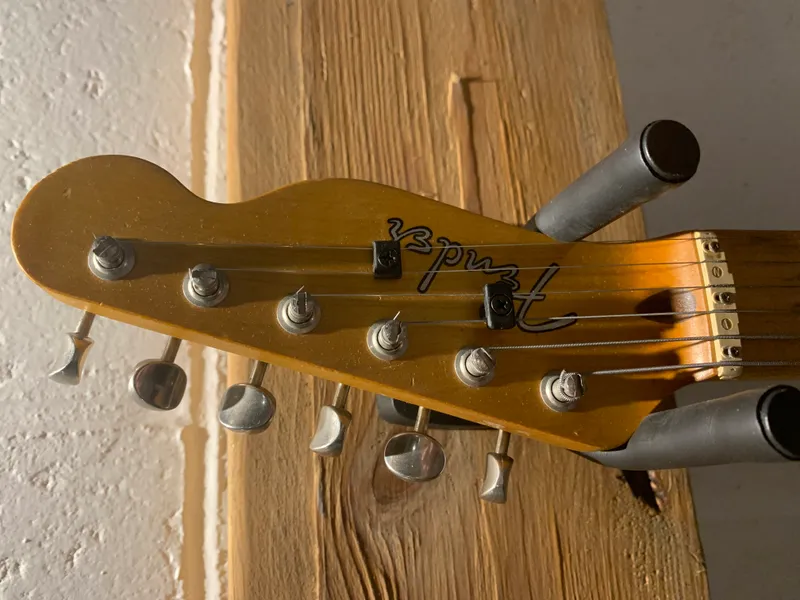
The 1968-69 Fender Pink Paisley and Blue Flower Telecasters used decorative paper under a clear finish, creating unusual factory-made patterns that now make them distinctive collector guitars.
Read more →
The Eames molded plywood chair emerged from Charles and Ray Eames’ early-1940s experiments with bending plywood, which were first applied in military contexts and later adapted into postwar furniture.
Read more →The phrase became a widely used shorthand for the shift in which software moved to the center of value creation across major industries, not just in tech companies.
Read more →
Levi Strauss & Co. moved the 501’s back-pocket rivets to the inside in 1937 so the jeans would stay durable without scratching furniture and other surfaces.
Read more →
In 2017, a security researcher found exposed DJI GitHub credentials that reportedly could have opened access to customer cloud data such as flight logs, photos, and other records stored on AWS. ([engadget.com](https://www.engadget.com/2017-11-20-dji-threatens-legal-action-researcher-reports-bug.html?utm_source=openai))
Read more →
The article explains that many color laser printers can leave faint yellow microdot patterns on pages, creating machine identification codes that may reveal a printer’s serial number or print time.
Read more →
New York City’s rules and older motor-vehicle categories made it difficult for the Segway to be used widely for tourism, policing, or everyday travel.
Read more →
An emergency blanket, or space blanket, is a thin PET film coated with aluminum that reflects heat and traces its design back to aerospace thermal-control materials.
Read more →
Lonnie Johnson turned an accidental water blast from a home heat-pump experiment into the Super Soaker, a pressurized water gun he licensed and helped bring to market.
Read more →
The Michelin Guide began in 1900 as a free motorists’ handbook created to encourage driving and tire use, and it later evolved into a leading restaurant rating system.
Read more →Tap a topic to search across all CurioWire stories.

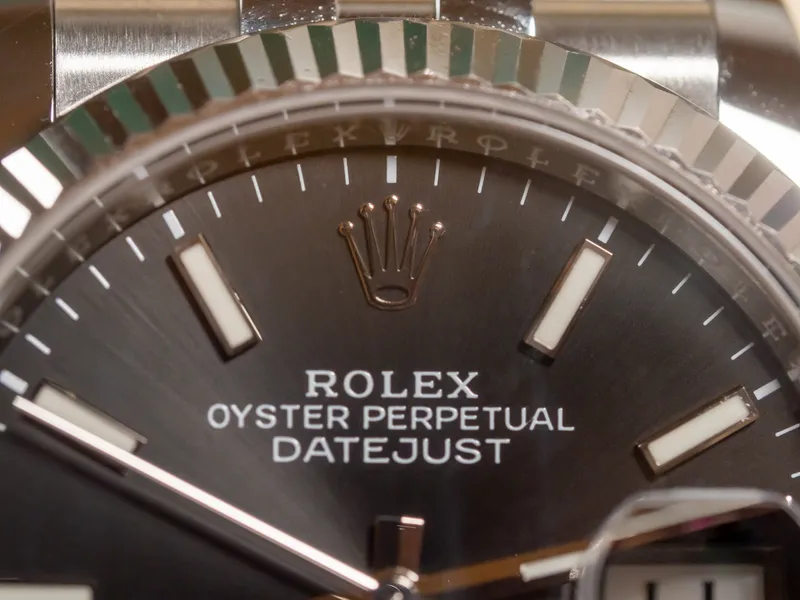
Paul Newman’s personal Rolex Daytona sold at auction for $17.8 million, setting a record for a wristwatch at the time.
Read more →
Alexander McQueen and Vestiaire Collective tested a resale model that adds NFC authentication tags to approved pre-owned McQueen pieces so buyers can verify item details more directly.
Read more →
Nike turned the NBA’s objection to Michael Jordan’s black-and-red Air Ship into the “Banned” campaign, helping turn a uniform dispute into a major marketing story and the rise of Air Jordan.
Read more →
A small printing mistake on certain Omega Speedmaster 145.022-69 watches—where the tachymeter bezel reads “220” instead of “200”—has made those examples especially desirable to collectors.
Read more →