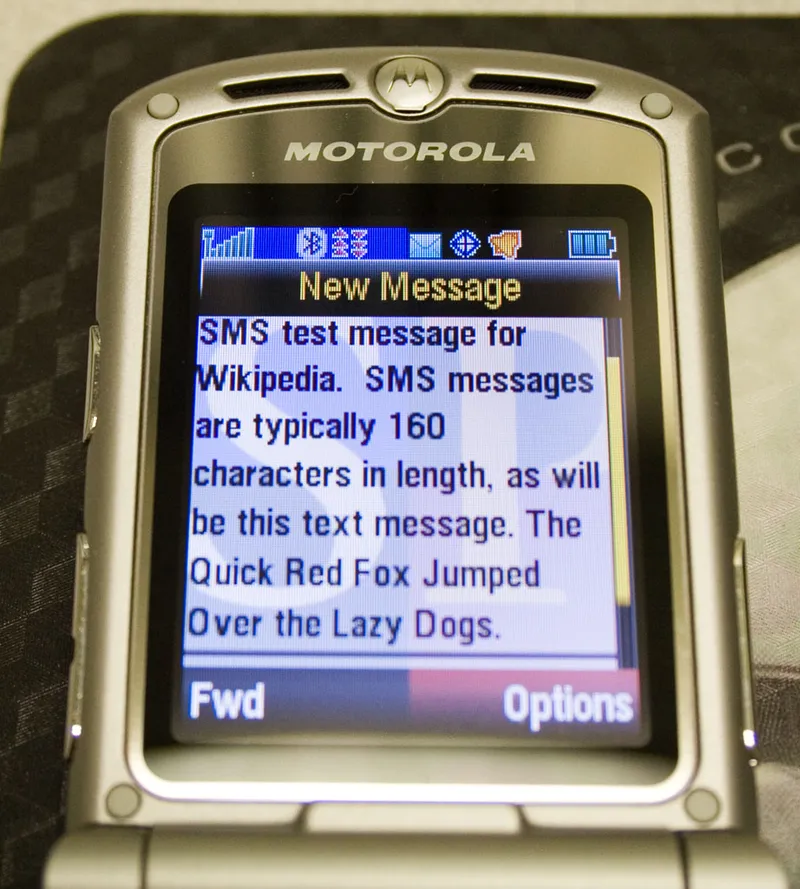
SMS 160-Character Limit and How It Changed Writing
The 160-character SMS limit came from early GSM design choices and shaped how people wrote short messages for decades.
Read more →Discover traces from the dawn of innovation — breakthrough inventions, digital revolutions and the ideas shaping the future.

The 160-character SMS limit came from early GSM design choices and shaped how people wrote short messages for decades.
Read more →
Some MP3 players used engineered shuffle settings that reduced back-to-back songs by the same artist because true randomness often felt wrong to listeners.
Read more →It reframed the Web as a system for human collaboration and public knowledge-sharing, not just technical machine-to-machine communication.
Read more →
T9 predictive text let users type with one key press per letter on 12-key phones by guessing words from a dictionary, making texting faster and easier.
Read more →
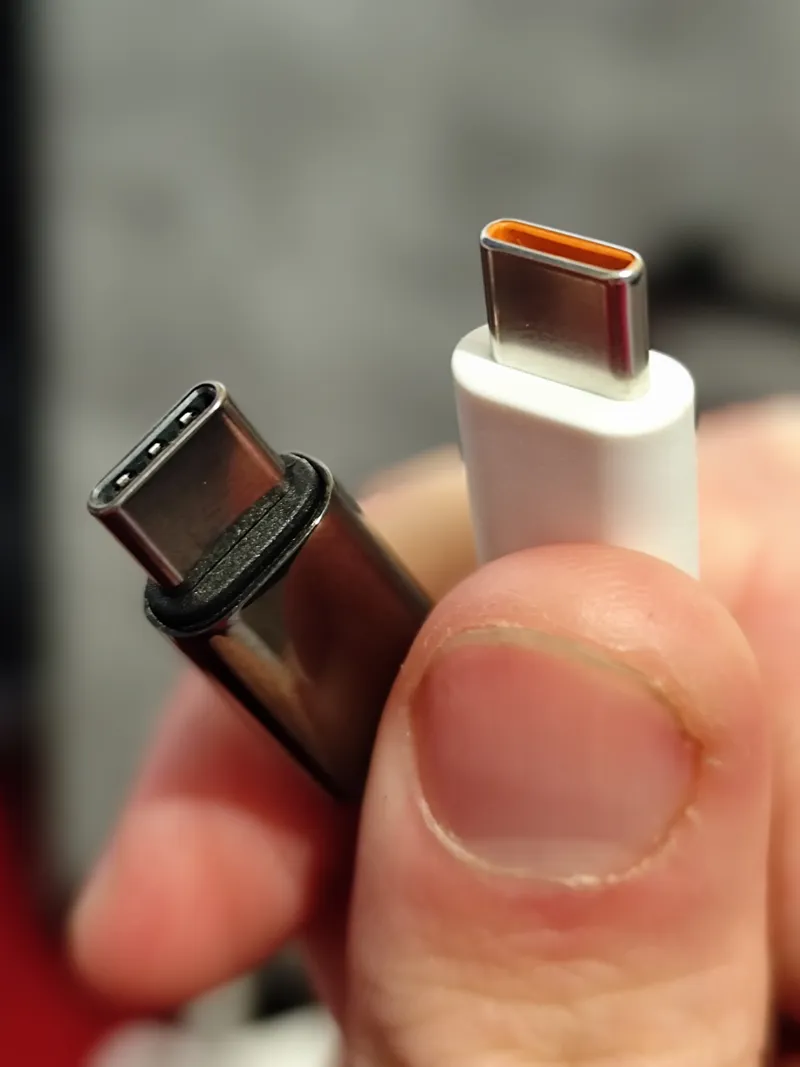
USB-C refers to the connector shape, not the cable’s speed, charging, or video capability, so cables that look alike can perform very differently.
Read more →
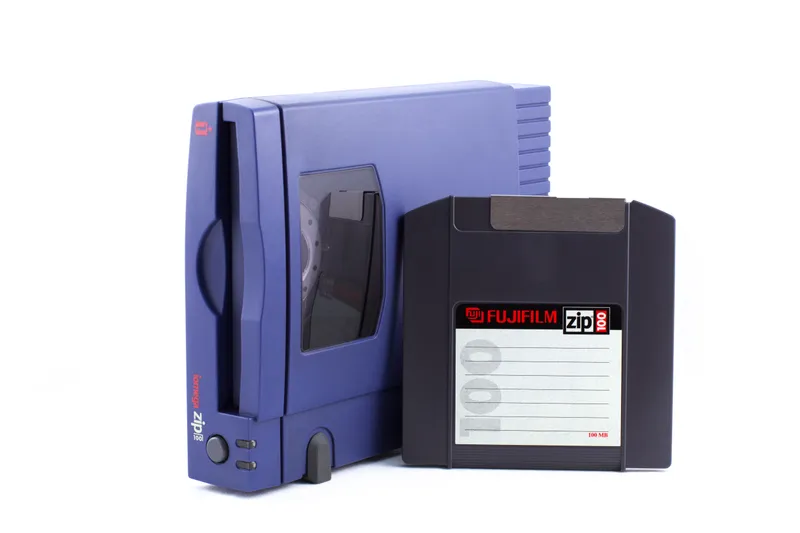
Early bootable USB drives often had to emulate floppy or ZIP disks because many older PC BIOS versions could not reliably boot a generic USB hard drive.
Read more →
This list explains how small embedded controllers and sensor systems quietly make high-impact operational and safety decisions across critical infrastructure.
Read more →
In 2009, Amazon remotely deleted copies of George Orwell’s 1984 and Animal Farm from some customers’ Kindles after a rights dispute, highlighting the difference between digital access and true ownership.
Read more →
Some streaming sticks, including certain Roku devices, have hidden service menus that can be opened with remote-button sequences for diagnostics, recovery, and deeper reset options.
Read more →
ReplayTV’s Commercial Advance feature, which automatically skipped commercials, became the focus of lawsuits in a dispute over whether DVRs could lawfully alter how recorded TV was watched.
Read more →
The Bluetooth logo is a monogram made from two runes for Harald Bluetooth’s initials, chosen to symbolize connection and unification across devices.
Read more →
Hidden or hardcoded router support credentials in firmware can let attackers access many devices at once, as seen in Zyxel products with an undocumented “zyfwp” administrative account.
Read more →
Firesheep was a browser add-on that exposed how unsecured web sessions on open Wi‑Fi could let nearby users hijack accounts by capturing session cookies.
Read more →
Stagefright was an Android media-processing vulnerability that could let a specially crafted MMS trigger code execution before the message was opened.
Read more →
A flaw in RustCrypto’s cmov crate could cause constant-time code to compile into ordinary branches on ARM Cortex-M0 devices, creating a timing side-channel risk and prompting a patch for CVE-2026-23519.
Read more →
Researchers found a Bluetooth Low Energy session flaw in Master Lock’s Bluetooth Deadbolt D1000 that could let a nearby attacker replay captured traffic to unlock it offline.
Read more →
A publicly described Bunny.net CDN caching flaw in June 2023 could serve authenticated API responses without properly checking the Authorization header, risking exposure of private data.
Read more →
Researchers showed that Waze’s social features could be exploited to track individual drivers in near real time and infer likely home and work locations.
Read more →
reCAPTCHA did more than block bots: it also used human responses to help digitize hard-to-read text and improve image recognition.
Read more →
Researchers at the University of Hamburg found that Wi-Fi probe requests from smartphones can sometimes reveal clues that help link a device to a user’s home address through Wi-Fi network names.
Read more →
Stuxnet was a highly sophisticated worm that targeted industrial control systems and is widely seen as the first major cyber tool to cause physical damage to equipment.
Read more →
Face ID can use infrared and the TrueDepth camera system to work in low light, but it still needs enough of the face’s 3D structure to verify identity, so masks often prevent recognition.
Read more →
A 2020 Northeastern University study suggested smart speakers can falsely activate when they mistake ordinary speech or household sounds for the wake word, creating unintended recordings.
Read more →
The article explains the uncanny valley: when robots or digital characters become almost human-like but still contain small flaws that make people uneasy.
Read more →
Google’s 2019 Sycamore experiment used 53 qubits of its processor to complete a random-circuit-sampling benchmark far faster than a leading classical supercomputer was estimated to do, highlighting a narrow but important quantum advantage.
Read more →
Thermal-camera drones can help search-and-rescue teams find stranded people faster by spotting body heat from above, especially in difficult winter terrain.
Read more →Tap a topic to search across all CurioWire stories.

StyleGAN, introduced by Nvidia in 2019, helped make AI-generated faces look highly photorealistic and harder to distinguish from real photos.
Read more →
A 2020 Nature study reported that a Google Health AI system could detect breast cancer signs in screening mammograms at a level comparable to experienced radiologists.
Read more →
Researchers reported that a CRISPR-based gene drive targeting the doublesex gene in Anopheles gambiae mosquitoes caused a caged population to collapse.
Read more →
A 2020 silicon-based battery design was reported to charge in minutes while retaining performance across multiple cycles, highlighting silicon’s potential to improve fast charging without rapid capacity loss.
Read more →