science12 Oct 2026
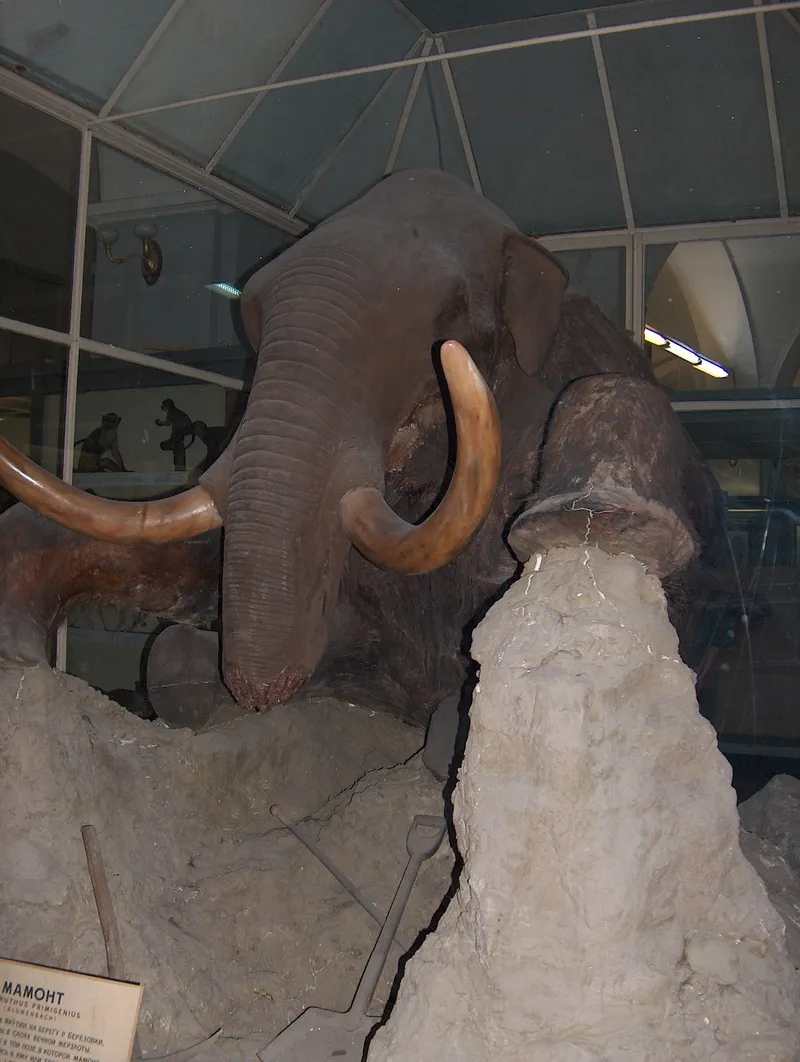
Berezovka Mammoth Discovery Revealed a Pleistocene Last Meal
A 1901 discovery of a frozen woolly mammoth in Siberia preserved stomach contents, giving scientists direct evidence of what it had recently eaten.
Read more →
Explore echoes from the lab — from surprising discoveries and cutting-edge research to strange natural phenomena that shape our world.
A 1901 discovery of a frozen woolly mammoth in Siberia preserved stomach contents, giving scientists direct evidence of what it had recently eaten.
Read more →
The Radium Girls were young women factory workers who ingested radium while painting watch dials, and the contamination damaged their health and left some bones radioactive for years.
Read more →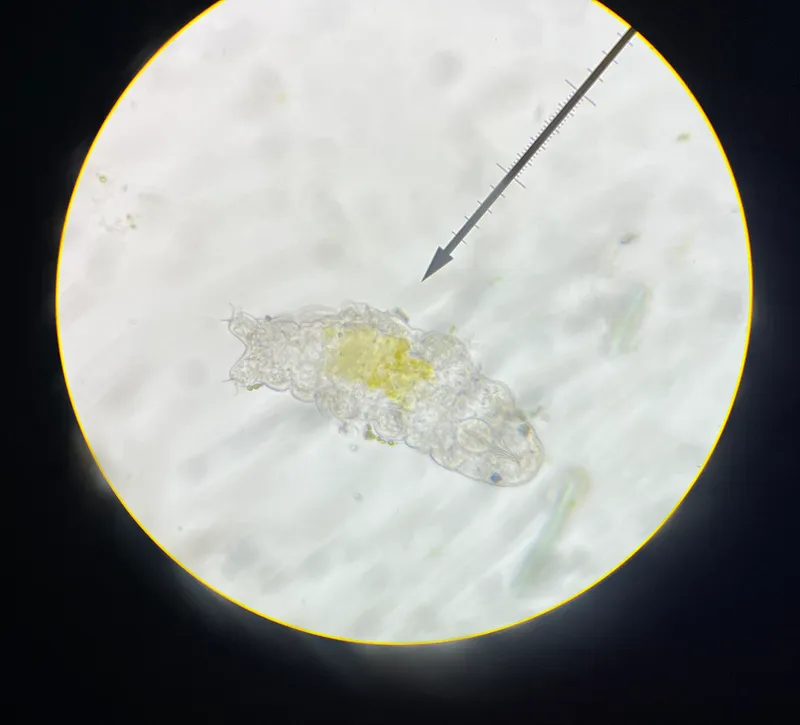
A tardigrade protein called Dsup was reported to reduce X-ray–induced DNA damage in engineered human cells by binding to chromatin and acting like a protective shield.
Read more →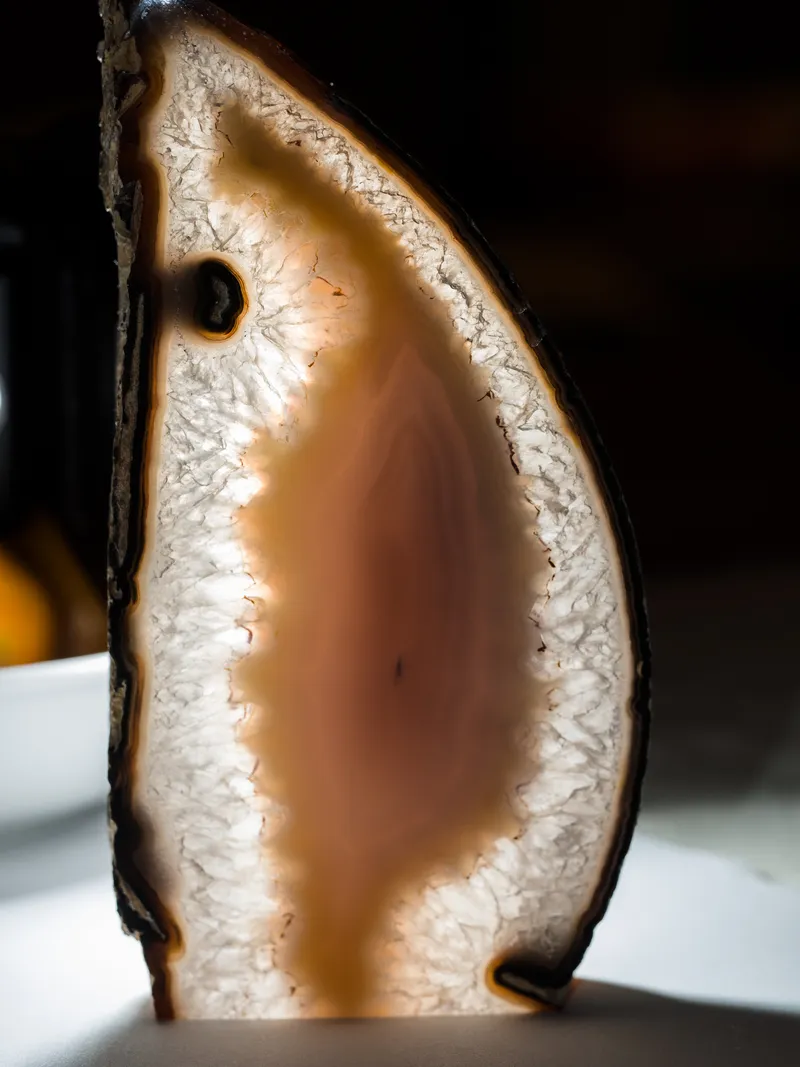
Some microbes in Antarctica’s Dry Valleys photosynthesize beneath translucent rocks, which filter light and help them survive harsh surface conditions.
Read more →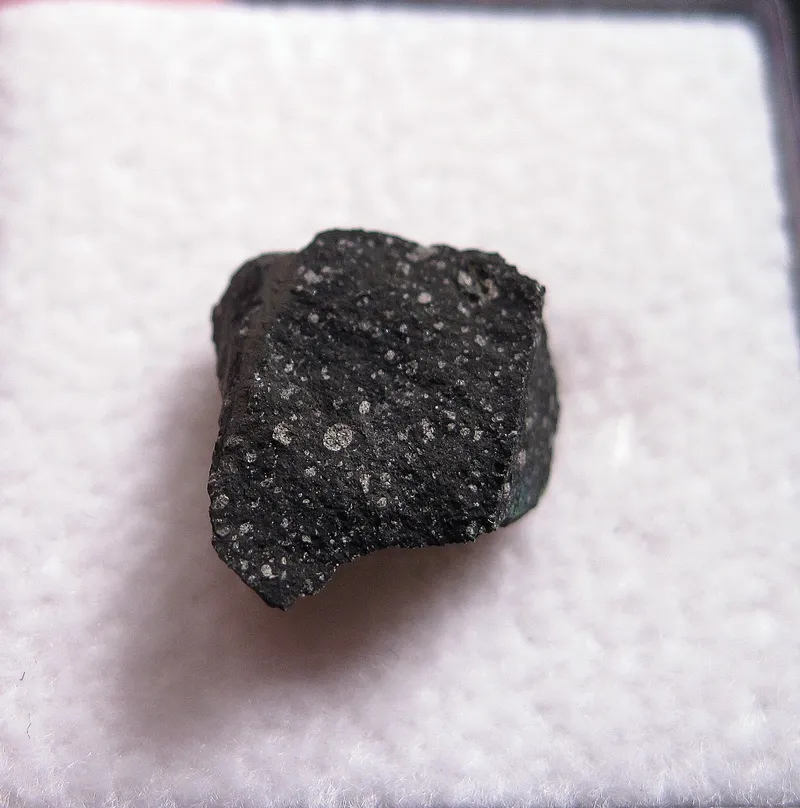
This list highlights seven scientifically important meteorites that reshaped understanding of the early Solar System’s chemistry, isotopes, planetary formation, and the potential delivery of organic building blocks.
Read more →
Researchers engineered an RNA ribozyme that can copy other RNA sequences in the lab, supporting one key step needed for the RNA-world hypothesis.
Read more →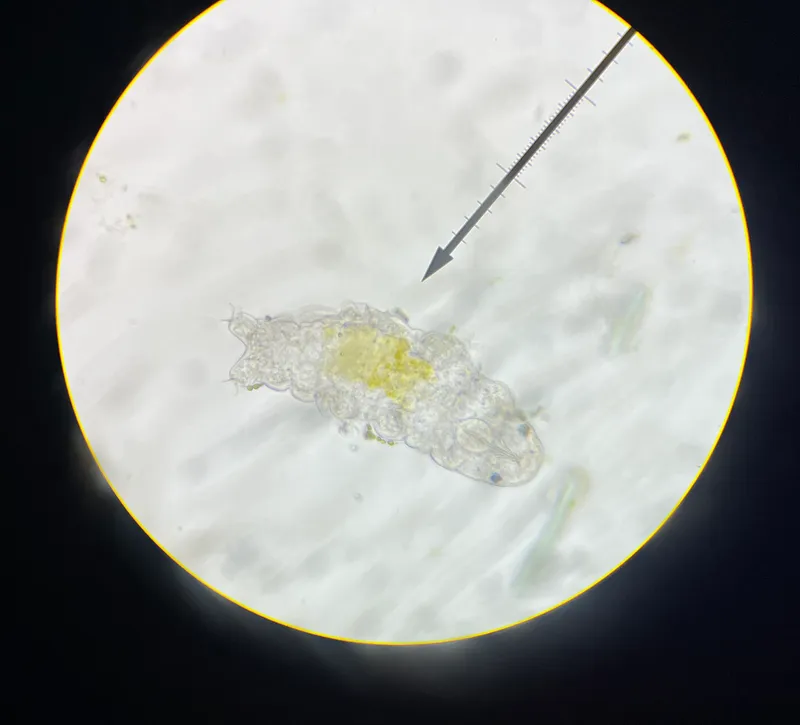
In 2007, ESA’s FOTON-M3 mission exposed dried tardigrades to open space, and many survived vacuum while some also survived ultraviolet radiation.
Read more →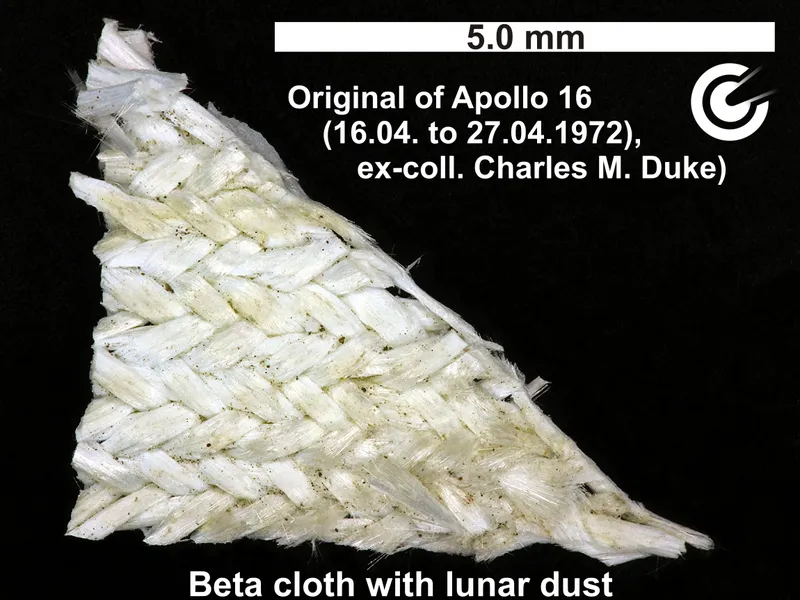
Apollo 12 revealed that lunar dust was a significant engineering problem because it clung to gear and crew equipment, leading NASA to improve dust-control procedures for later Moon missions.
Read more →
Coral skeletons can preserve the industrial-era decline in carbon-13 from fossil-fuel CO2, giving scientists a year-by-year record of the ocean Suess effect.
Read more →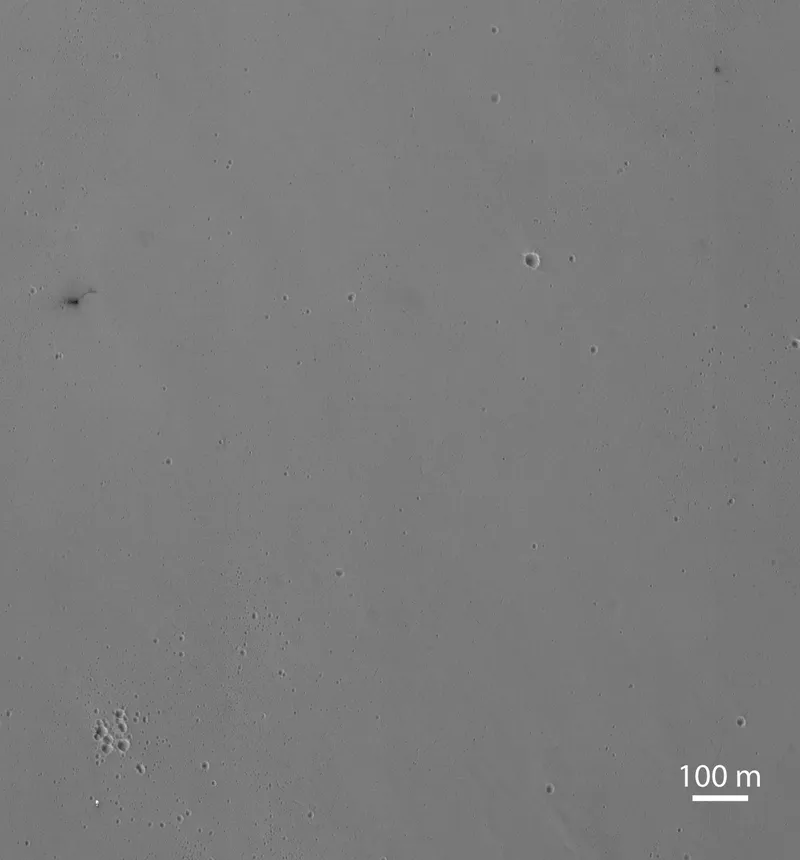
ESA’s Schiaparelli Mars lander crashed after a brief IMU sensor saturation caused its navigation system to compute a false negative altitude and trigger the wrong descent sequence.
Read more →
Benjamin Colman’s 1721 pamphlet on the Boston smallpox outbreak used tabulated figures to compare deaths among inoculated people and those who caught smallpox naturally.
Read more →
Project West Ford was a 1963 U.S. military communications experiment that released tiny copper dipoles into orbit to create a passive radio-reflecting belt, and its remnants were still detectable decades later.
Read more →Beagle 2 was not lost without trace; orbital images later showed it on Mars, suggesting it landed but failed to fully deploy and communicate.
Read more →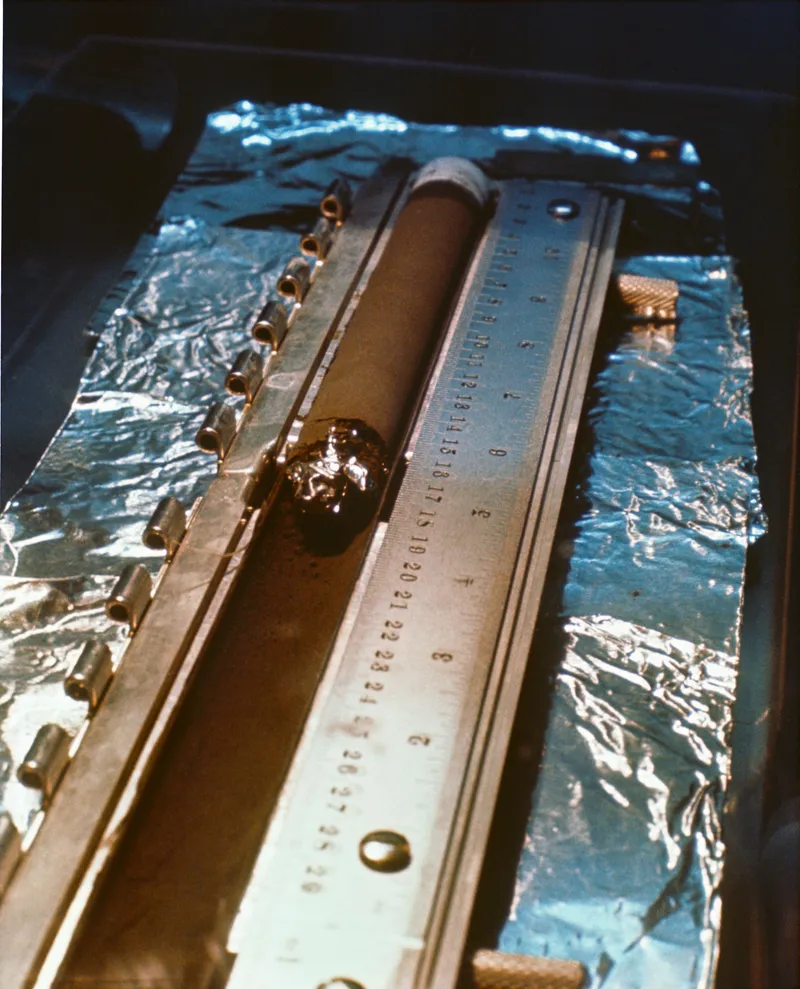
Apollo 17 core sample 73001 is a rare Moon sample sealed in vacuum on the lunar surface and later opened to study trapped gases and lunar volatiles.
Read more →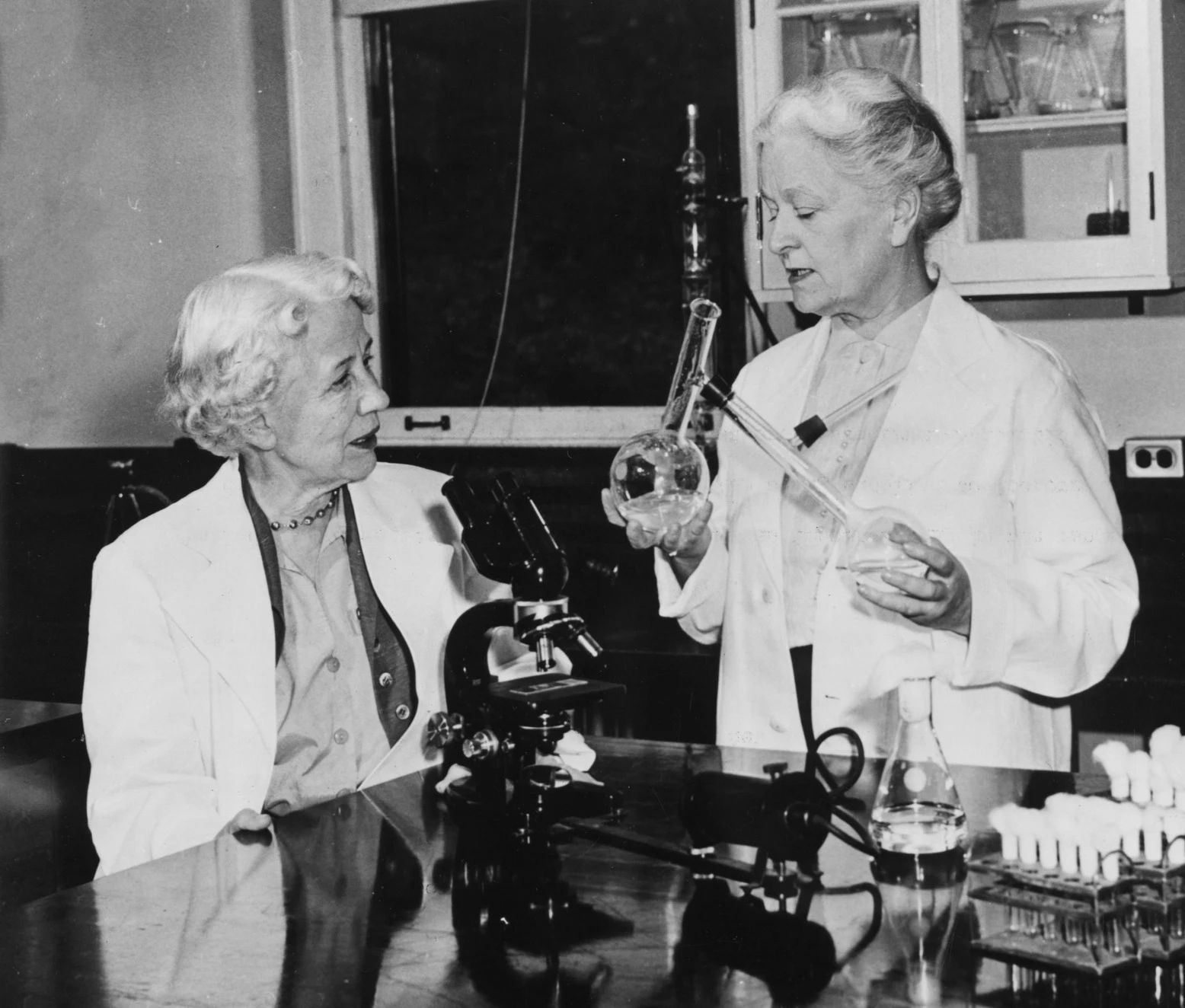
Elizabeth Hazen and Rachel Brown isolated nystatin from Streptomyces noursei, producing one of the first antifungal medications widely used in medicine.
Read more →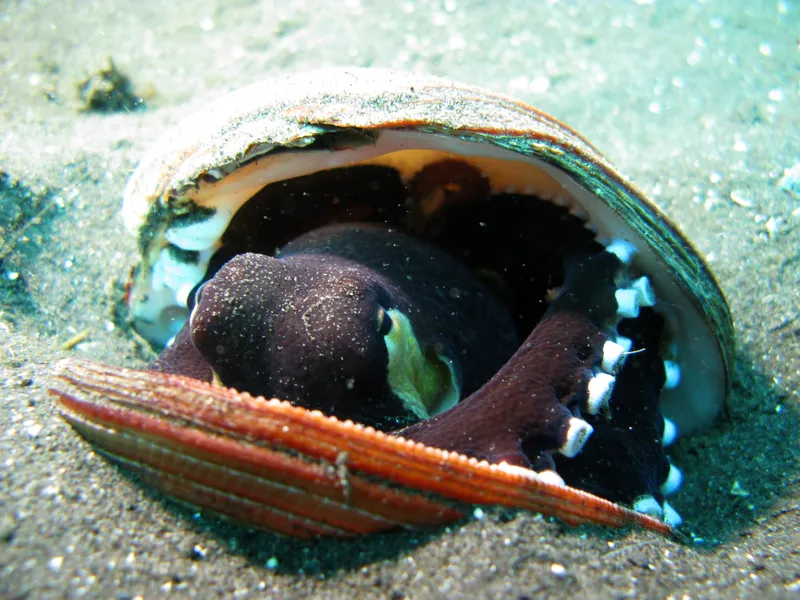
The article highlights how different animals use objects as tools for practical tasks such as shelter, protection, and feeding.
Read more →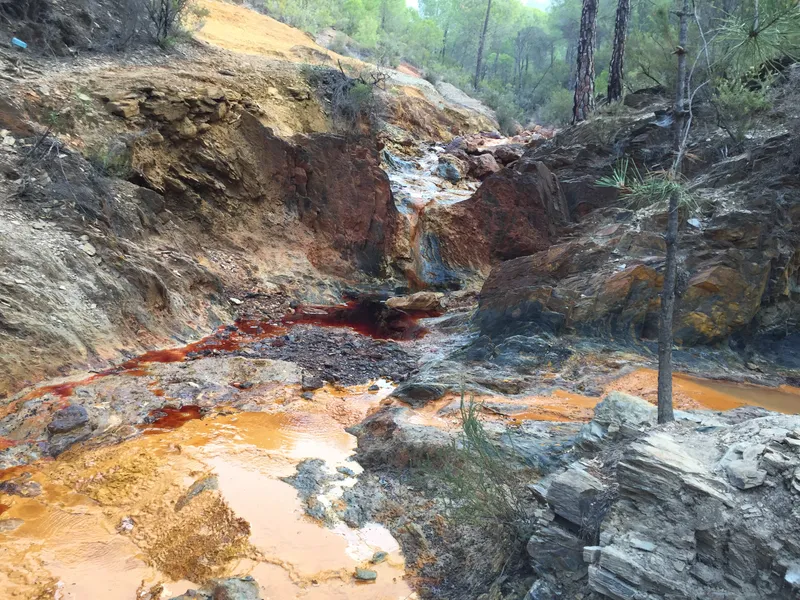
This list highlights how microbial activity can create or alter striking natural colors in water, ice, and mineral-rich environments, sometimes at scales visible from satellites.
Read more →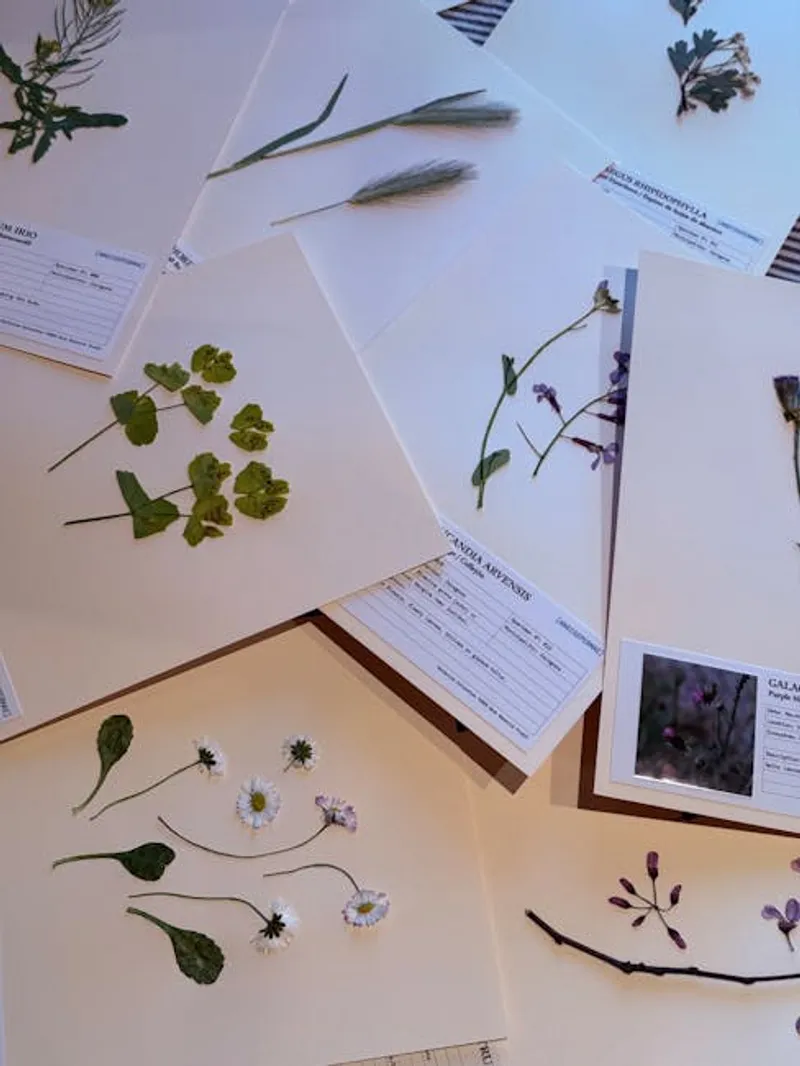
Scientists can sequence DNA from 19th-century pressed seaweed specimens to reconstruct past coastal algal communities and compare them with modern ecosystems.
Read more →It mattered because Berners-Lee argued that the Web’s biggest forces were social behavior and user participation, not just engineering, shaping how people understood its openness, abuse, collaboration, and governance.
Read more →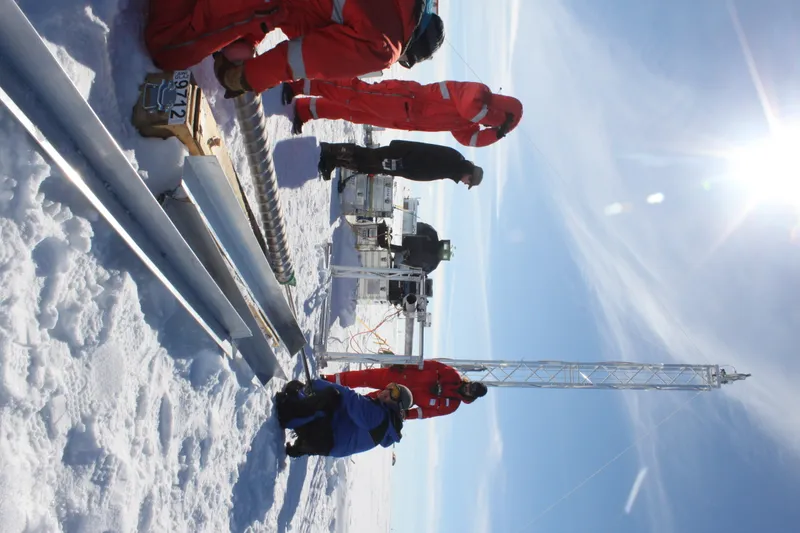
Greenland ice cores preserve a distinct fallout layer from mid-20th-century atmospheric nuclear testing that scientists use as a dating marker.
Read more →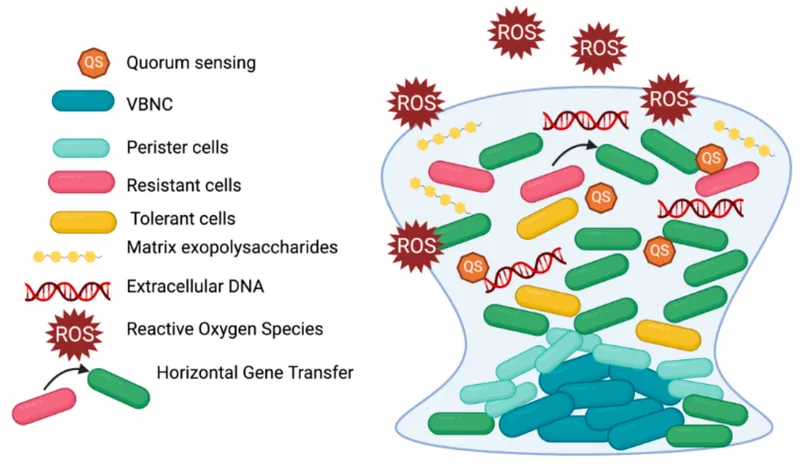
Bacillus subtilis biofilms can coordinate colony-wide behavior with potassium-based electrical waves that help regulate metabolism and nutrient use across many cells.
Read more →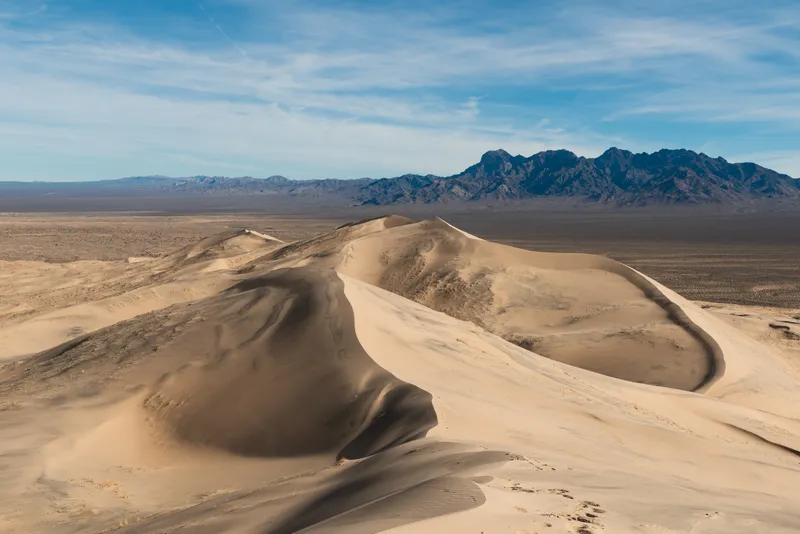
Booming dunes make a deep sound only when a thin, very dry layer of similarly sized sand grains slides at an appropriate speed and moves in synchrony.
Read more →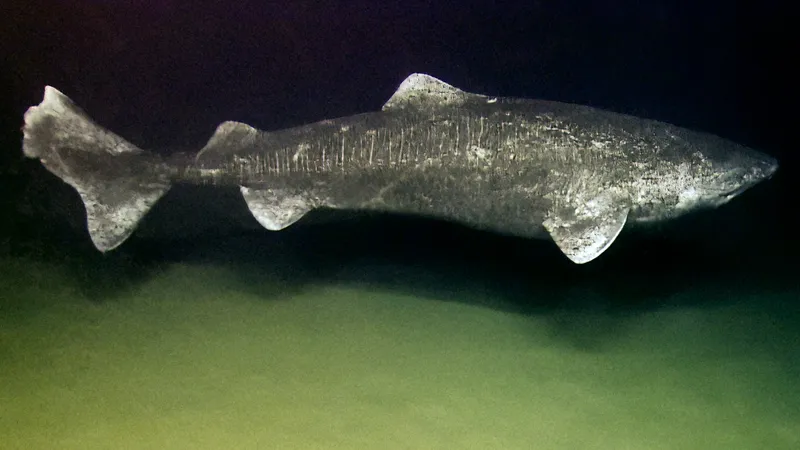
Scientists estimated that Greenland sharks can live for centuries by radiocarbon-dating tissue from the centers of their eye lenses.
Read more →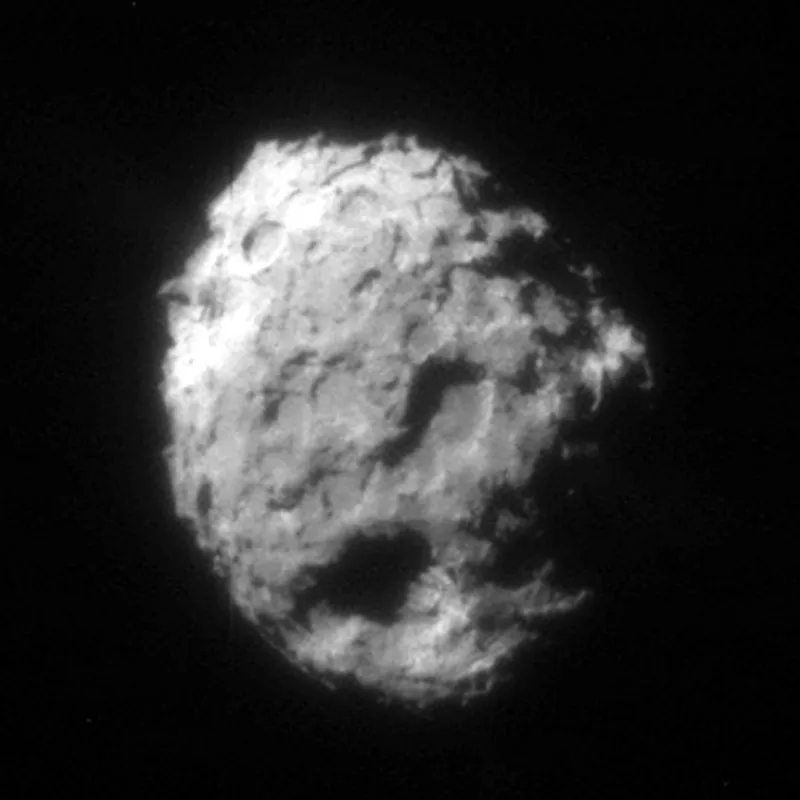
NASA’s Stardust mission returned comet dust from Comet Wild 2, and later analysis found the amino acid glycine in the samples as direct evidence of extraterrestrial organic material.
Read more →
The Z machine at Sandia National Laboratories uses huge electrical pulses to briefly create extreme plasma conditions for fusion and materials research.
Read more →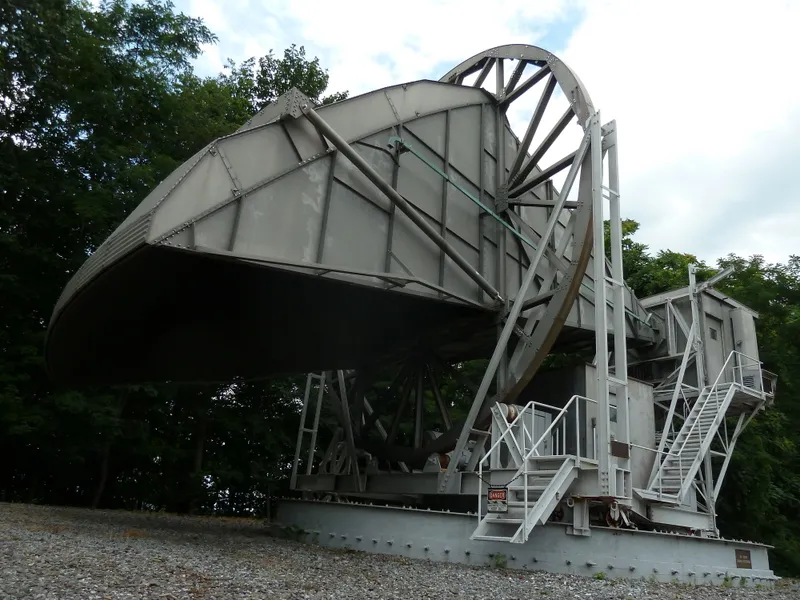
This article highlights how instruments built for practical or unrelated scientific purposes unexpectedly produced major discoveries in astronomy, physics, and Earth science.
Read more →Tap a topic to search across all CurioWire stories.
The quote mattered because it cast the Human Genome Project as a major public and moral milestone, helping explain a complex scientific breakthrough in language that resonated beyond science.
Read more →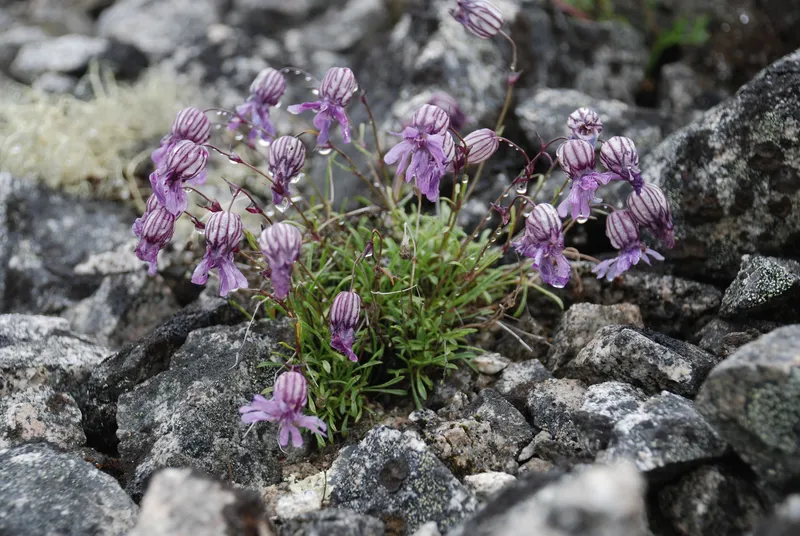
Scientists regenerated living Silene stenophylla plants from ancient fruit tissue dated to about 32,000 years old, and the plants later flowered and produced viable seeds.
Read more →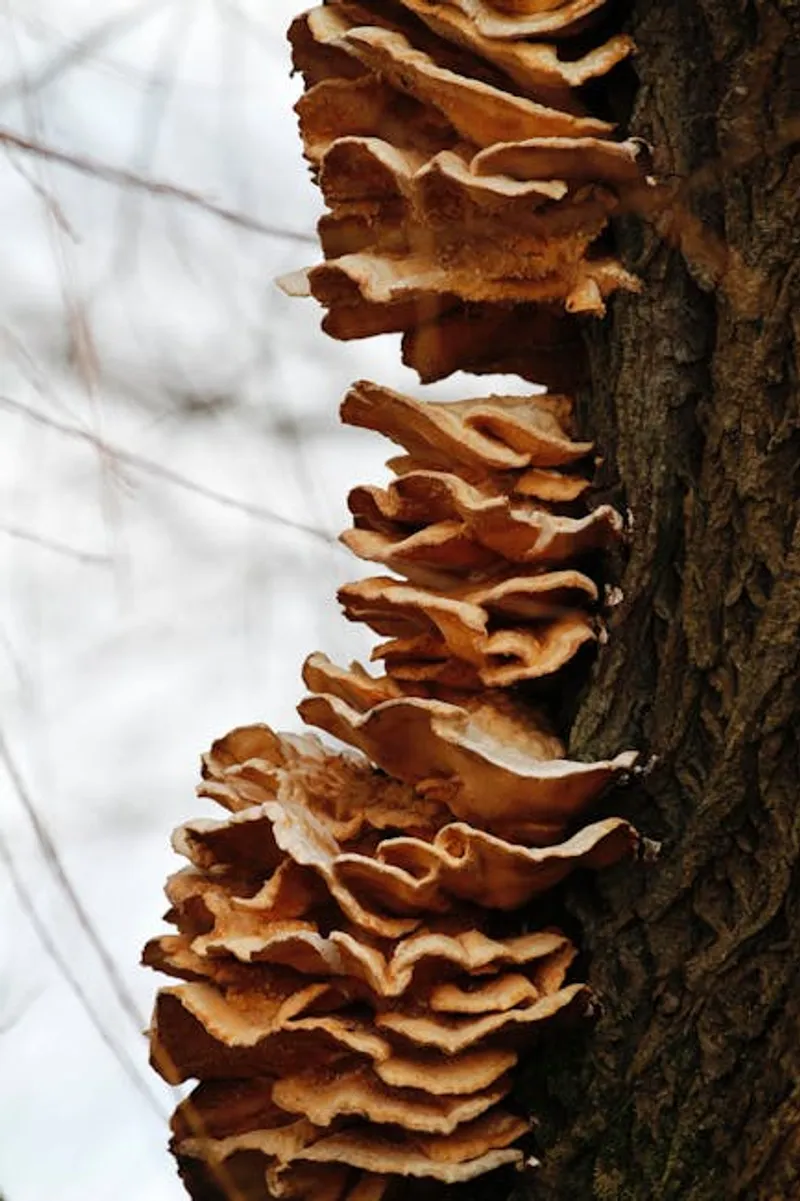
Researchers have found that some dark, melanin-rich fungi in and around Chernobyl may grow better when exposed to ionizing radiation, possibly using it in a way that benefits them.
Read more →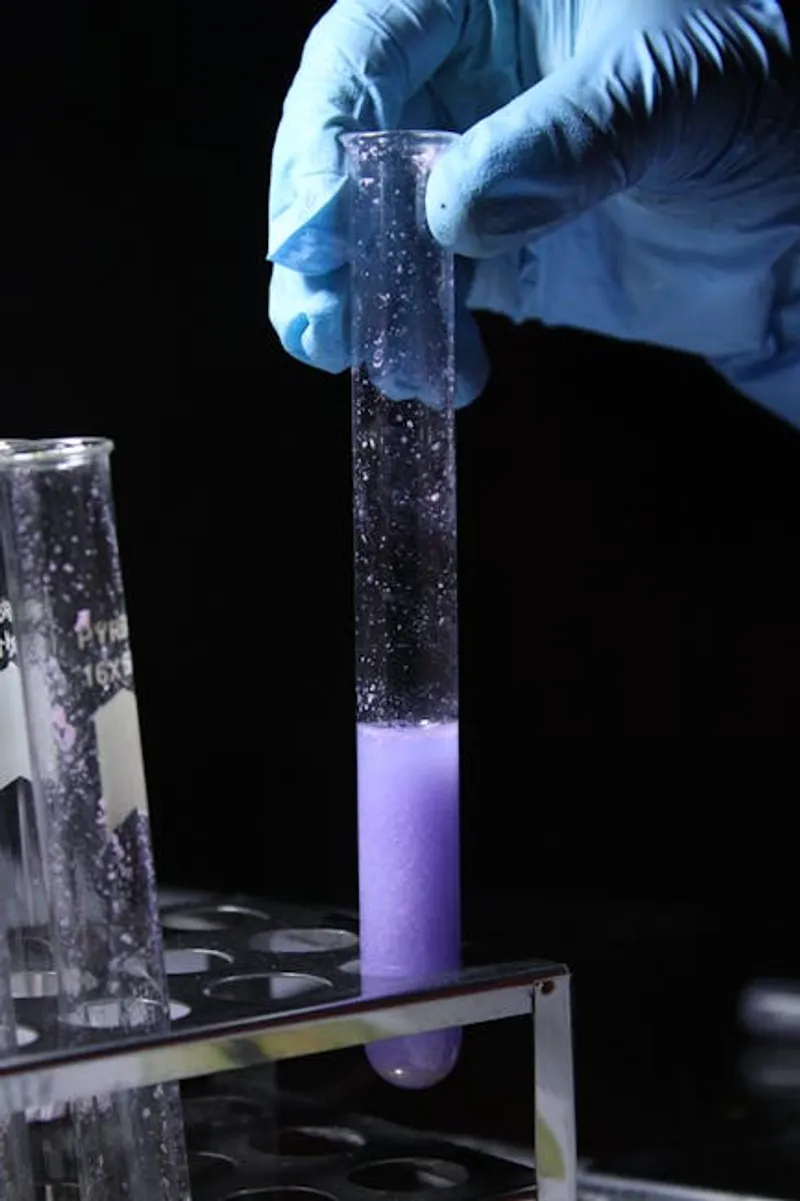
A stored respiratory sample from a Paris-area hospital patient tested positive for SARS-CoV-2 after later retesting, suggesting the virus may have been present in France before the first official cases were confirmed.
Read more →