Marie Curie's Notebooks Are Still Radioactive Today
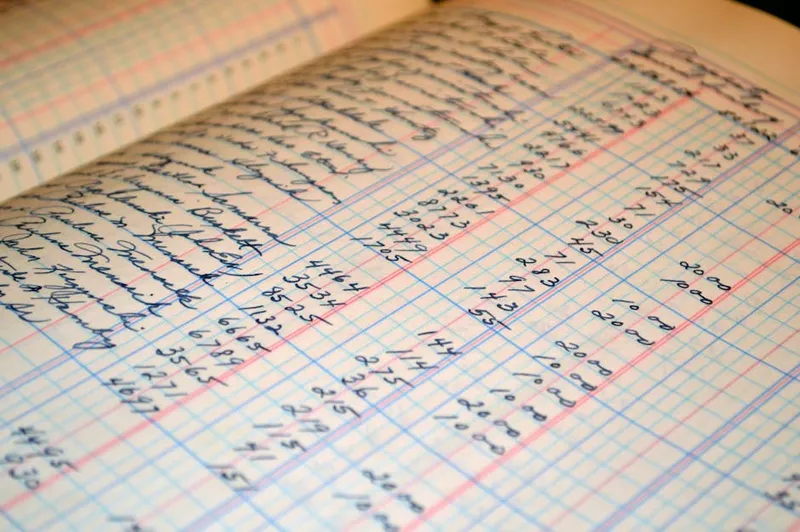
Marie Curie’s notebooks and some personal papers remain radioactive because they were contaminated by radium during her research.
Read more →Step into stories recovered from the dusty archives — forgotten events, remarkable figures and strange moments from the past.

Marie Curie’s notebooks and some personal papers remain radioactive because they were contaminated by radium during her research.
Read more →

Alan Turing’s 1952 morphogenesis paper proposed a reaction-diffusion mechanism to explain how biological patterns like stripes and spots can emerge from simple interactions.
Read more →
This article explains how societies have used emergency or substitute forms of money when official currency was scarce, disrupted, or mistrusted.
Read more →
In 1885, Louis Pasteur and physicians used an experimental rabies inoculation on 9-year-old Joseph Meister after a severe dog bite, and the boy did not develop rabies.
Read more →
The Piri Reis map is a 1513 Ottoman map fragment assembled from multiple earlier sources, showing how early 16th-century geographic knowledge was compiled rather than created from scratch.
Read more →
The article explains that Zheng He’s early 15th-century Ming voyages were massive state-backed naval missions whose scale and organization projected imperial power across the Indian Ocean.
Read more →
During the Great Famine, food relief in Ireland was often distributed through tickets that controlled access to soup, bread, or meal at designated kitchens and depots.
Read more →
Late Anglo-Saxon law treated elite war gear, including swords, as part of a heriot death duty owed to a lord.
Read more →
This article highlights underground newspapers and samizdat networks that circulated censored information, sustained morale, and supported resistance under occupation and authoritarian rule.
Read more →
Henri Matisse’s Odalisque in Red Trousers was stolen from a Caracas museum, replaced with a copy for years, and the original was recovered later in a 2012 FBI sting.
Read more →
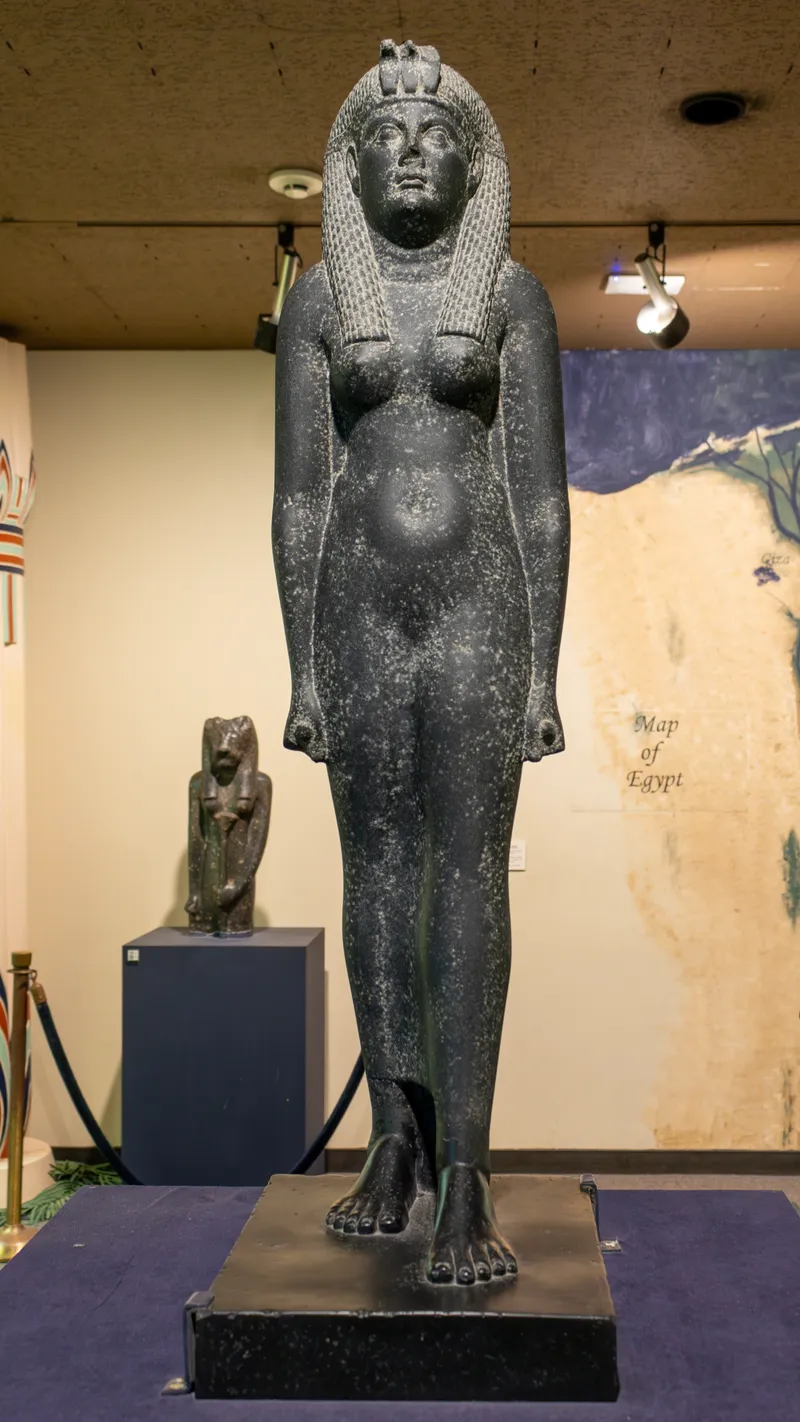
The article explains that the famous story of Cleopatra being delivered to Julius Caesar in a “carpet” is likely a later embellishment, while the core event was her securing a private audience with Caesar during a political crisis in Alexandria.
Read more →
The article surveys objects deliberately or possibly concealed in hearths and chimney spaces, especially items interpreted as protective deposits in household folk belief.
Read more →
During the Siege of Leningrad, musicians kept performing, and Shostakovich’s Seventh Symphony was played in the city as a public act of endurance and civic continuity.
Read more →
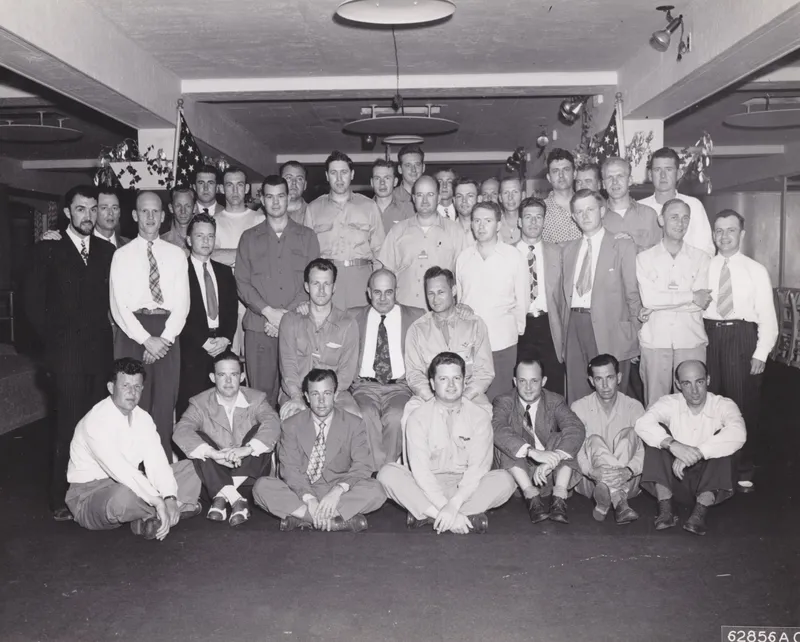
During World War II, some Monopoly sets were modified to conceal escape tools and supplies for Allied prisoners of war.
Read more →
The article explains how medieval Christian relic culture allowed sacred objects and claims to multiply through division, contact, circulation, and competing traditions rather than through modern standards of exclusivity.
Read more →
During the French Revolution, aristocratic portraits were confiscated, defaced, sold, or repurposed as part of efforts to strip noble images of their original political and social meaning.
Read more →
This list explains how maps and geospatial data have sometimes included deliberate fake features or long-repeated errors, often to detect copying or because mistakes persisted in cartography.
Read more →
The article surveys how World War II combatants used visual decoys, camouflage, smoke, and staged effects to mislead enemy reconnaissance and bombing.
Read more →
The Fugger family of Augsburg established an influential courier and newsletter system, the Fuggerzeitungen, which played a crucial role in European finance during the 16th century.
Read more →
Edward Lloyd's coffee house in the 1680s became the foundation for Lloyd's of London, revolutionizing marine insurance.
Read more →
The fall of Nineveh led to the accidental preservation of its royal library's clay tablets through a destructive fire.
Read more →
Büsingen am Hochrhein is a German town that is an exclave entirely surrounded by Switzerland, operating under mixed rules.
Read more →
Cospaia was a unique tax-free territory that thrived on tobacco smuggling before its territory was divided between the Papal States and the Grand Duchy of Tuscany in 1826.
Read more →
The New York Sun published sensational articles in 1835 claiming the discovery of life on the moon, widely noted as a significant moment in tabloid journalism.
Read more →
Joshua Norton declared himself Emperor of the United States in 1859 and issued his own currency, which some local businesses reportedly accepted.
Read more →
Queen Zenobia led a revolt against the Roman Empire in the late 3rd century CE, marking her reign with minted coins bearing her portrait.
Read more →
Sequoyah developed a written syllabary for the Cherokee language, enabling literacy and cultural preservation.
Read more →
The article discusses the role of official food tasters in the Ottoman Empire who sampled dishes to protect the sultan from poison.
Read more →
The Chauvet Cave in France features remarkable prehistoric animal paintings that demonstrate advanced artistic skills and observation of anatomy.
Read more →