culture15 Oct 2026
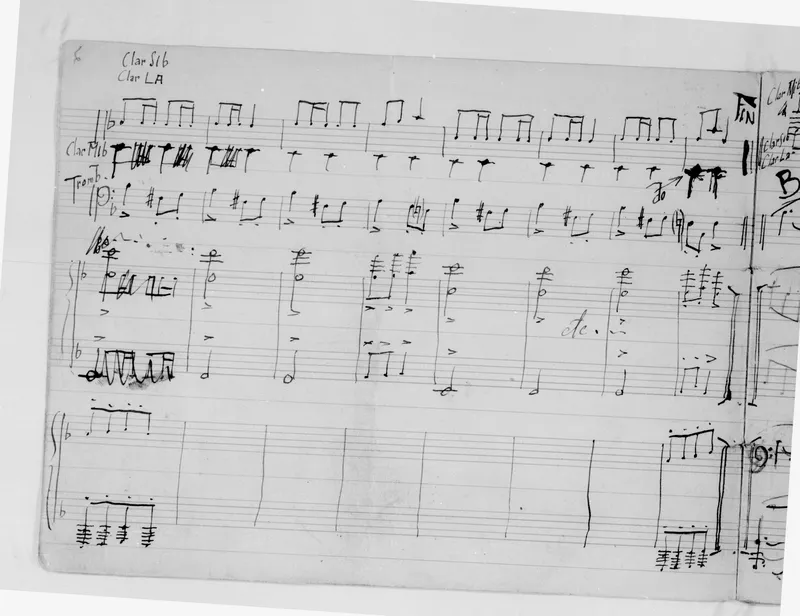
Erik Satie's Furniture Music Changed What Music Could Do
Erik Satie’s “furniture music” was an early 20th-century idea for music meant to blend into the background rather than demand focused listening.
Read more →
Explore fragments from the heart of civilization — traditions, art, customs and the stories that define societies.
Erik Satie’s “furniture music” was an early 20th-century idea for music meant to blend into the background rather than demand focused listening.
Read more →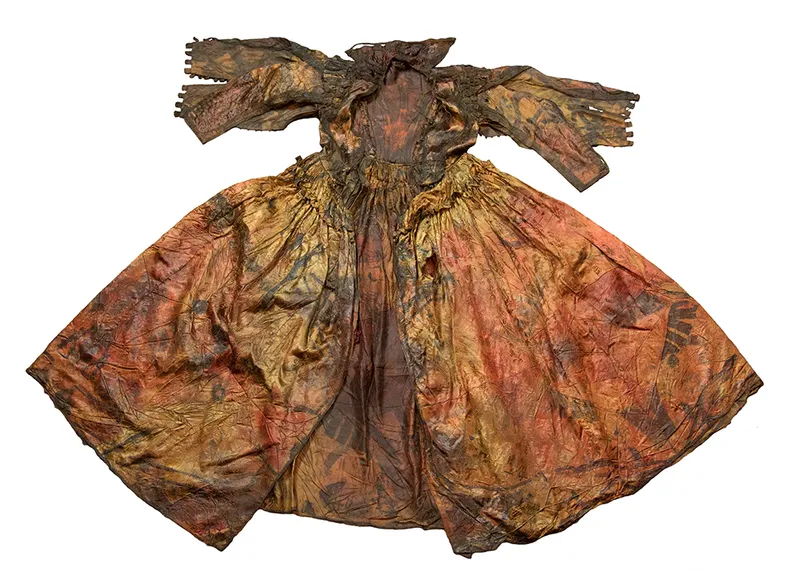
A rare 17th-century silk dress recovered from the Palmwood shipwreck is on display at Museum Kaap Skil, though it is often described as a wedding dress without definitive proof.
Read more →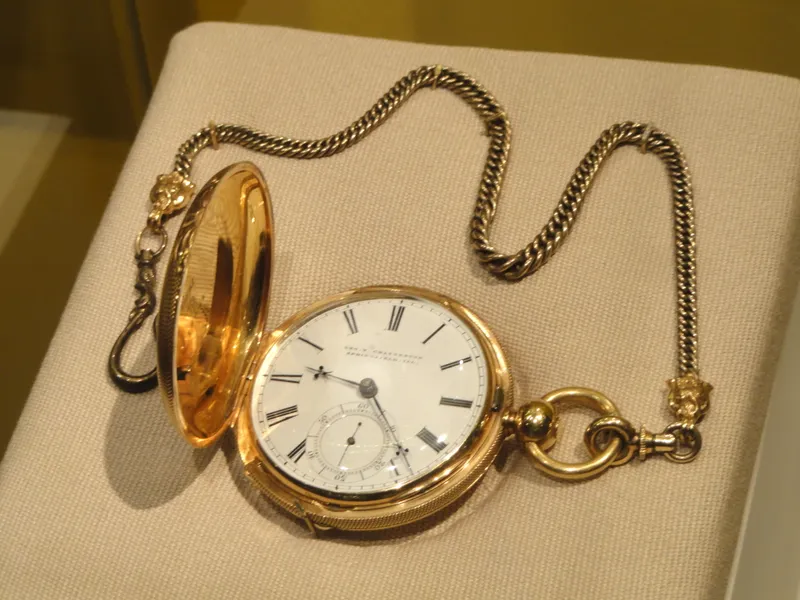
Conservators at the Smithsonian opened Abraham Lincoln’s pocket watch in 2009 and confirmed that watchmaker Jonathan Dillon had engraved a hidden Civil War-era message inside it in 1861.
Read more →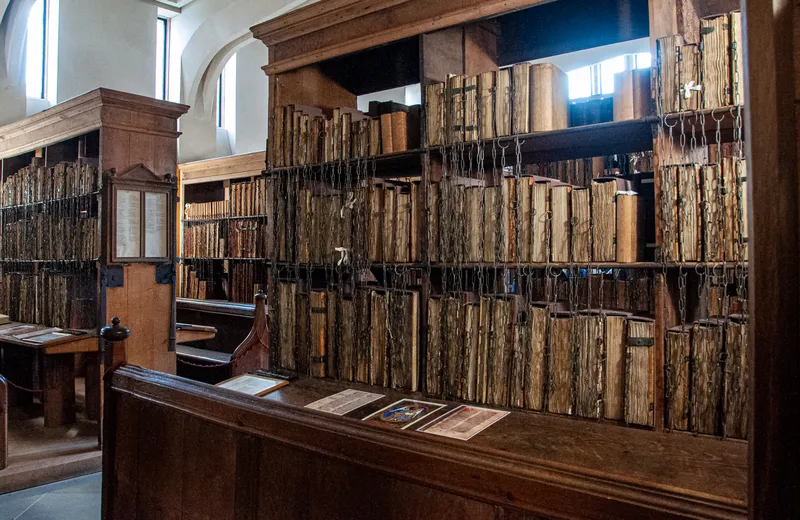
Hereford Cathedral’s chained library preserves books fastened to shelves with iron chains, showing how valuable volumes were once kept in place for security and controlled access.
Read more →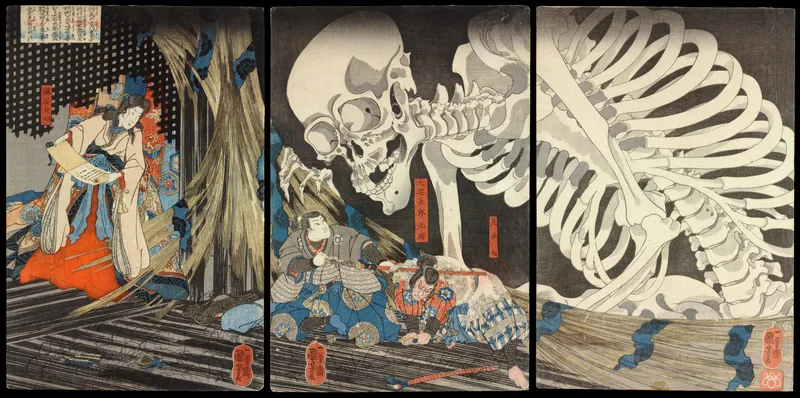
Utagawa Kuniyoshi’s 1843 triptych Earth Spider is presented as a visually dramatic Edo-era print that also functioned as political satire under censorship.
Read more →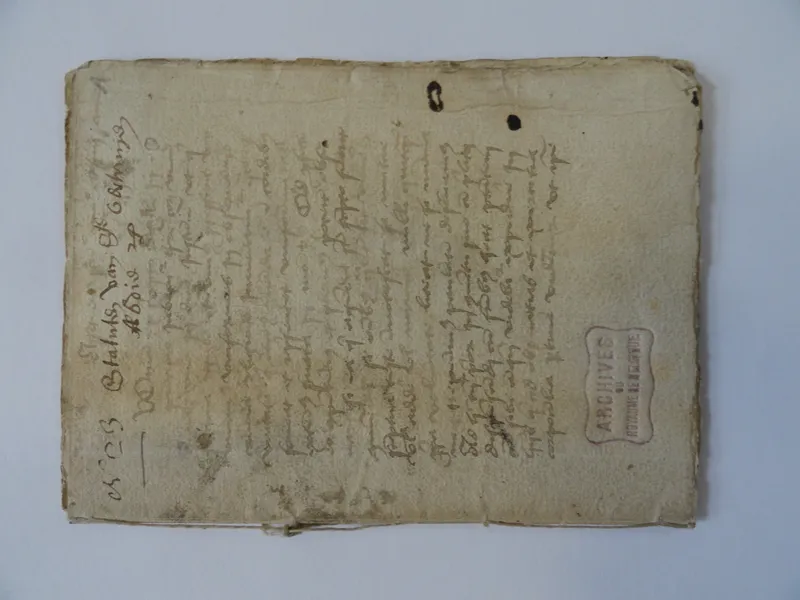
The article explains that a medieval colophon ends with a scribe’s direct request for payment: “the work is finished; I ask my reward for the labor.”
Read more →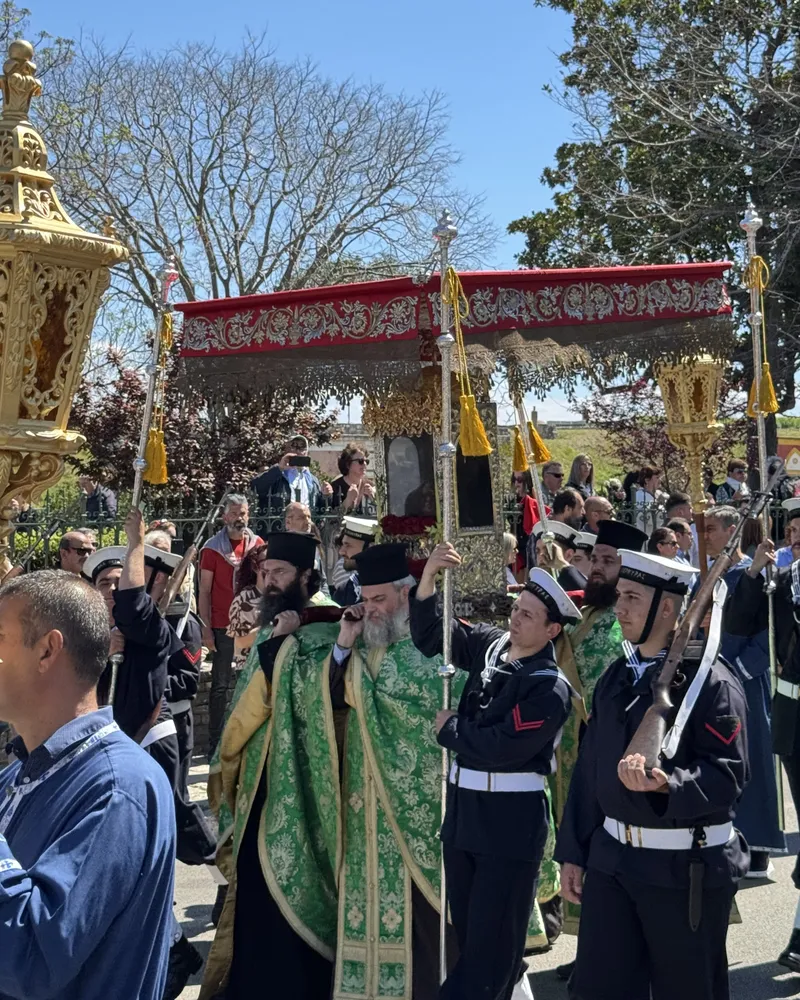
The article explains the Corfu tradition of placing and replacing slippers on the relics of Saint Spyridon, then sharing pieces of the worn pairs with pilgrims as blessings.
Read more →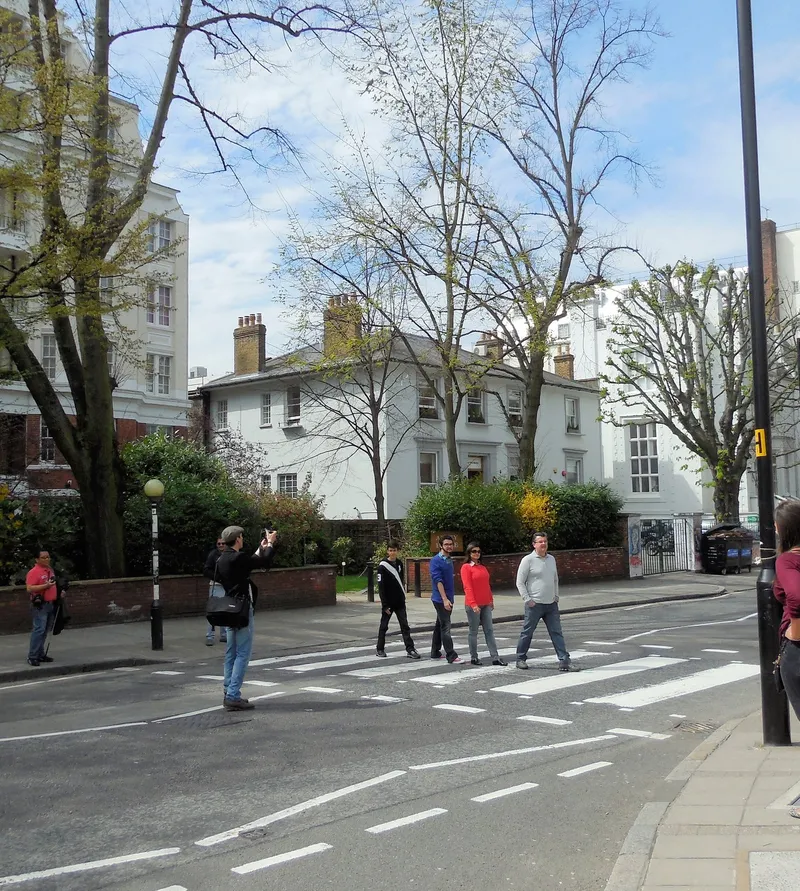
The 1966 recall and paste-over of the Beatles’ “Yesterday and Today” butcher cover created collectible first, second, and third state copies that are valuable because of their surviving physical alterations.
Read more →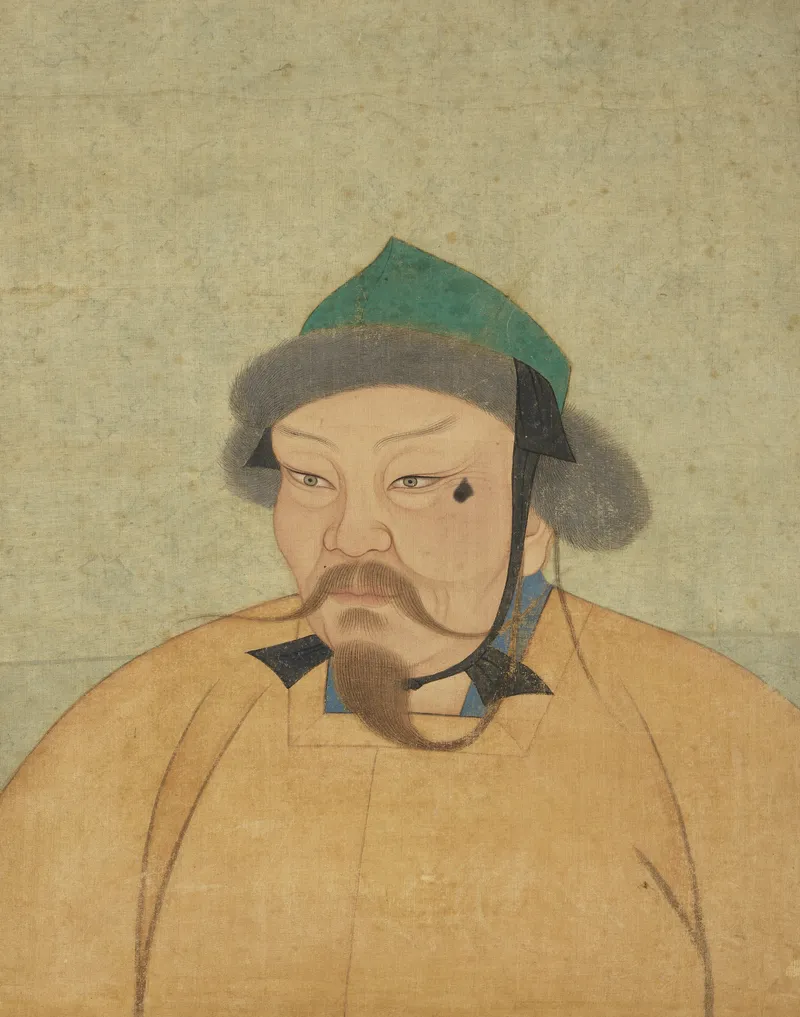
An album of 30 portraits from Fanny von Arnstein’s salon provides a visual record of the guests and helps historians identify who belonged to her elite social circle.
Read more →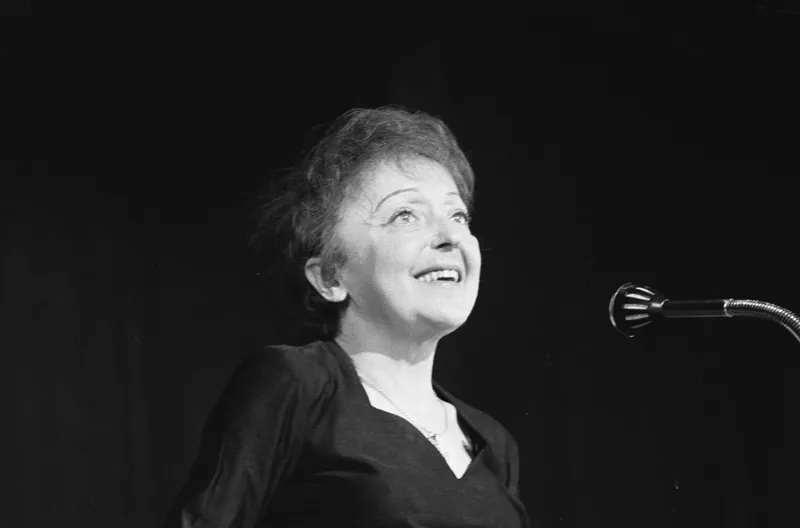
Louis Leplée discovered Edith Piaf singing on the street, brought her into his cabaret Le Gerny’s, and helped launch her professional career under the name “La Môme Piaf.”
Read more →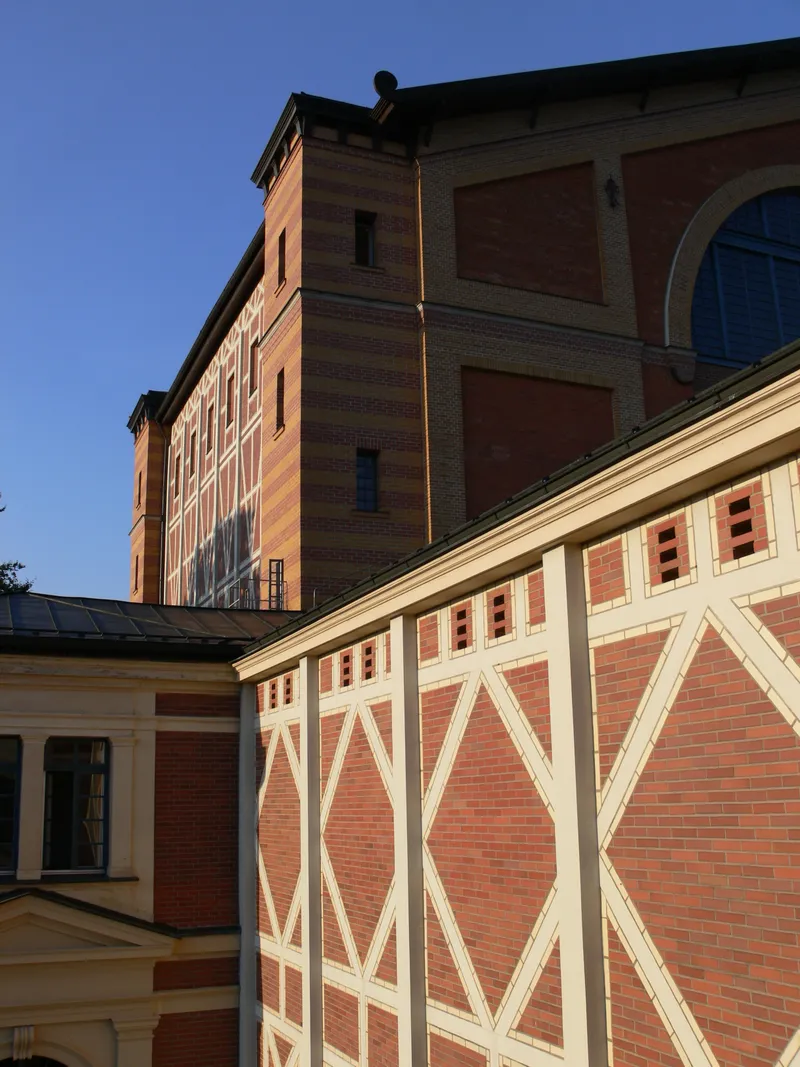
The Bayreuth Festspielhaus was designed by Richard Wagner with a hidden, covered orchestra pit so the orchestra is heard more than seen and the music blends into the drama.
Read more →
Songlines are Aboriginal Australian knowledge systems that link landscape features through song, helping people navigate routes and find water without written maps.
Read more →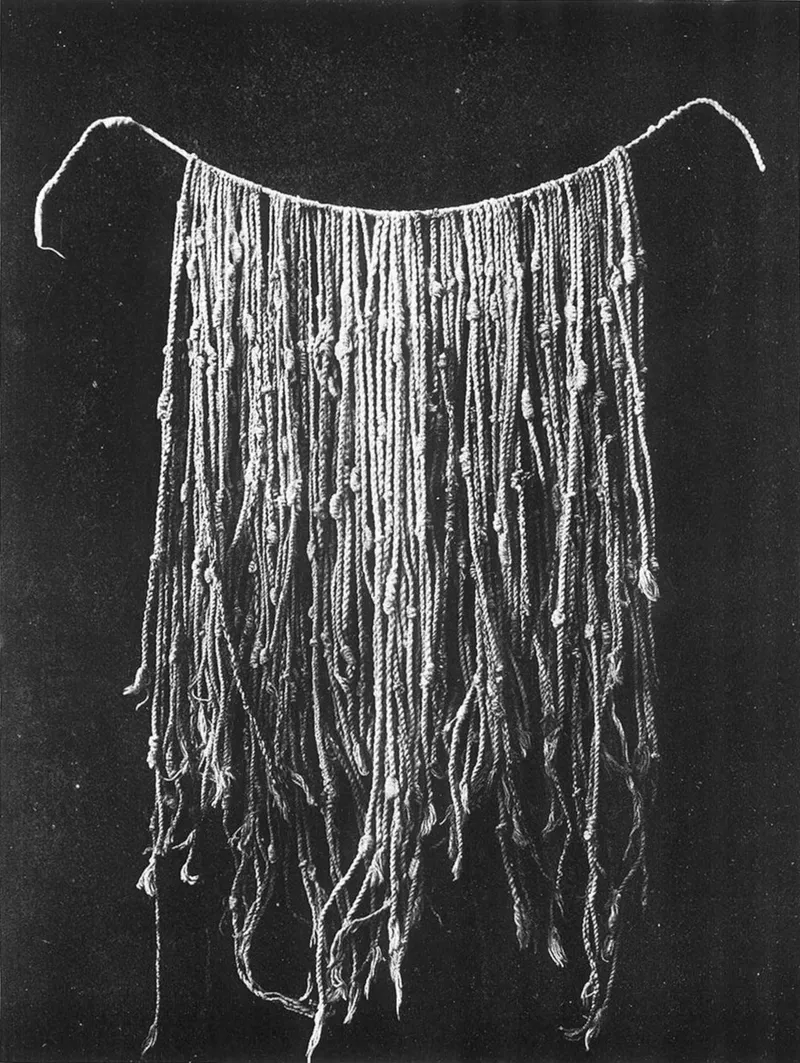
The article explains that khipus in Huarochirí, Peru, were practical community records used to help track irrigation schedules, labor duties, and canal maintenance over time.
Read more →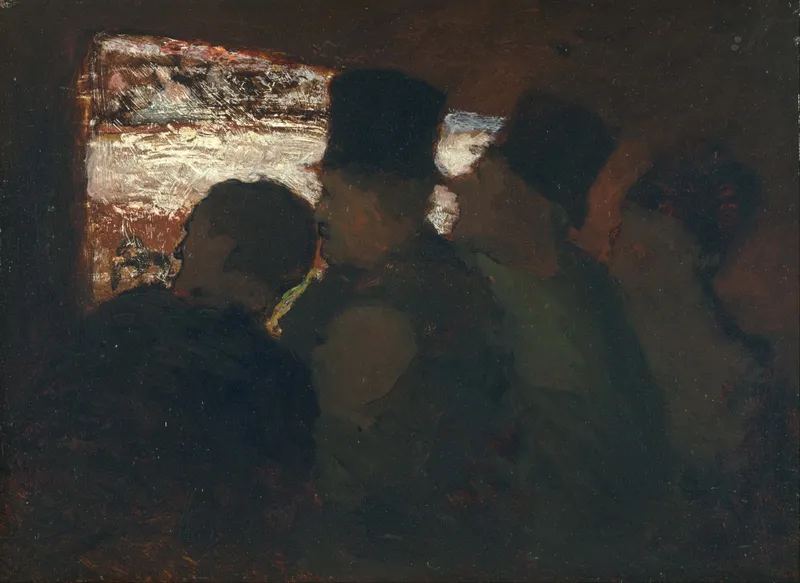
Erwin Piscator’s play §218 turned a Berlin theater audience into participants by having them vote on the abortion-law issue after the performance.
Read more →The line became famous because it neatly summarized Hitchcock’s theory that suspense comes from anticipation and controlled delay, not just from the shocking event itself.
Read more →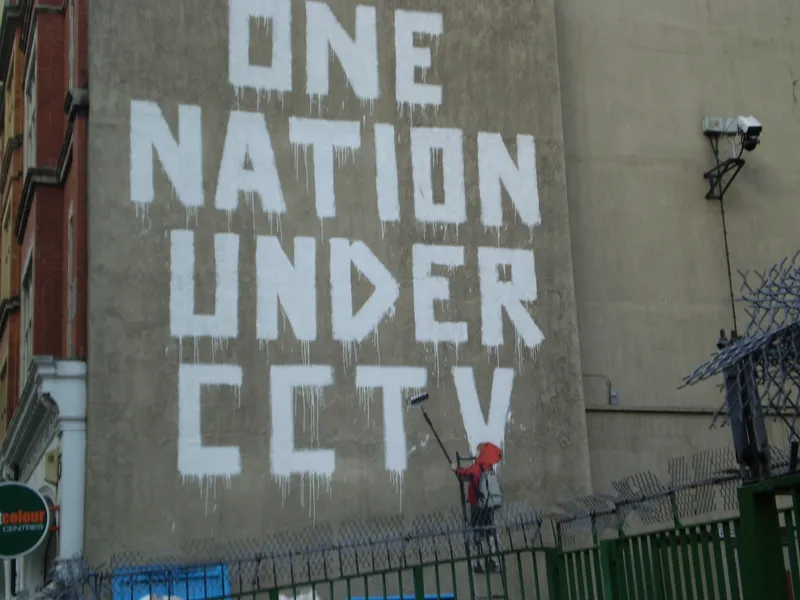
Banksy reportedly placed unauthorized artworks inside major museums, using the installations to test how museum authority and legitimacy work.
Read more →It became a defining phrase of second-wave feminism by arguing that private life, including housework, childcare, and relationships, is shaped by political power and social inequality.
Read more →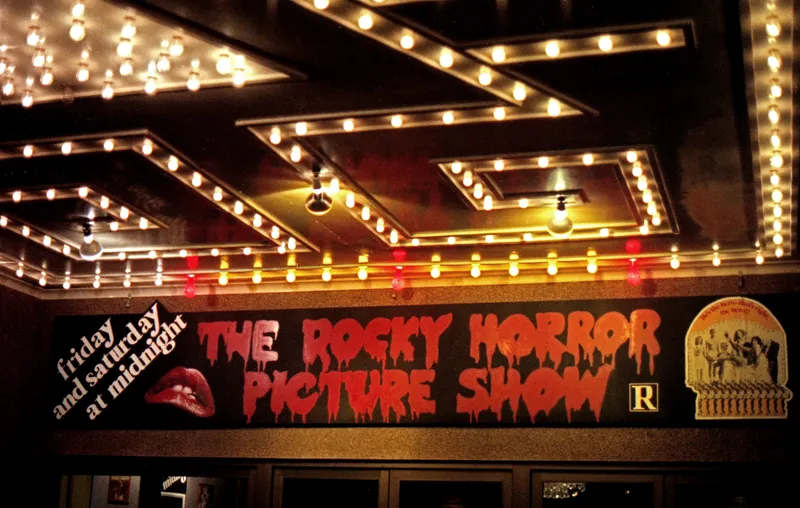
The article surveys film screenings that are intentionally designed for ritualized audience participation, turning moviegoing into a structured communal performance.
Read more →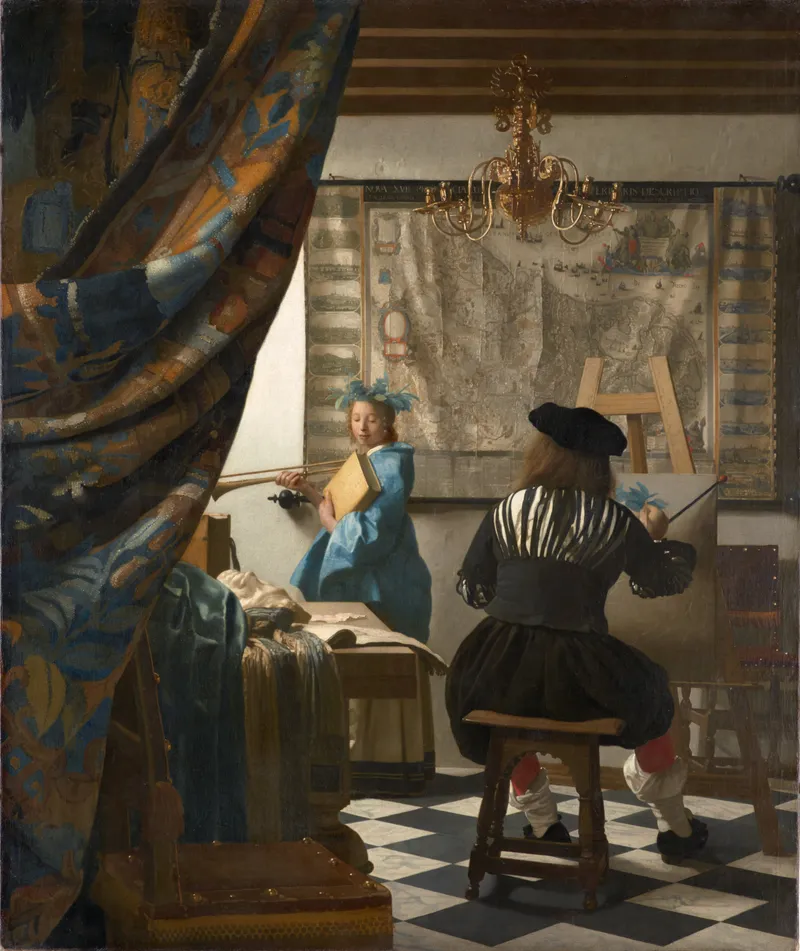
Some paintings by Johannes Vermeer contain tiny pinholes at their vanishing points, which conservators interpret as evidence that he may have used a string-and-pin method to construct perspective.
Read more →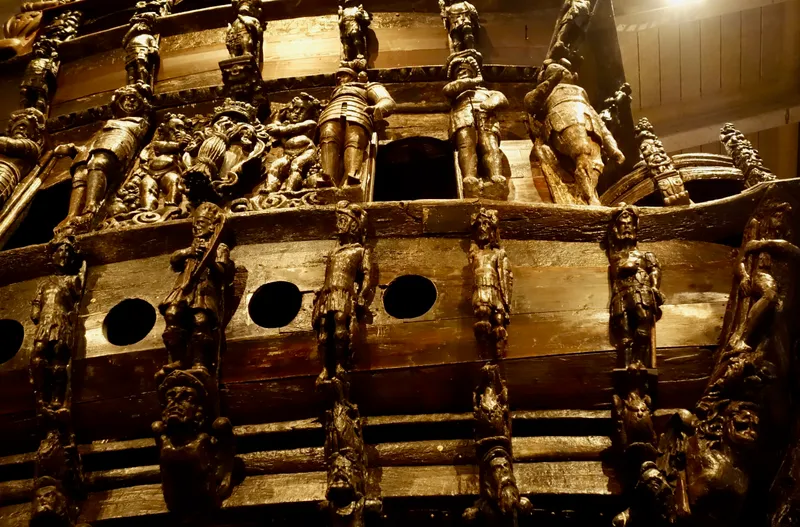
This list highlights museums built around or highlighting a single major underwater archaeological story, such as one shipwreck, treasure recovery, or a drowned site.
Read more →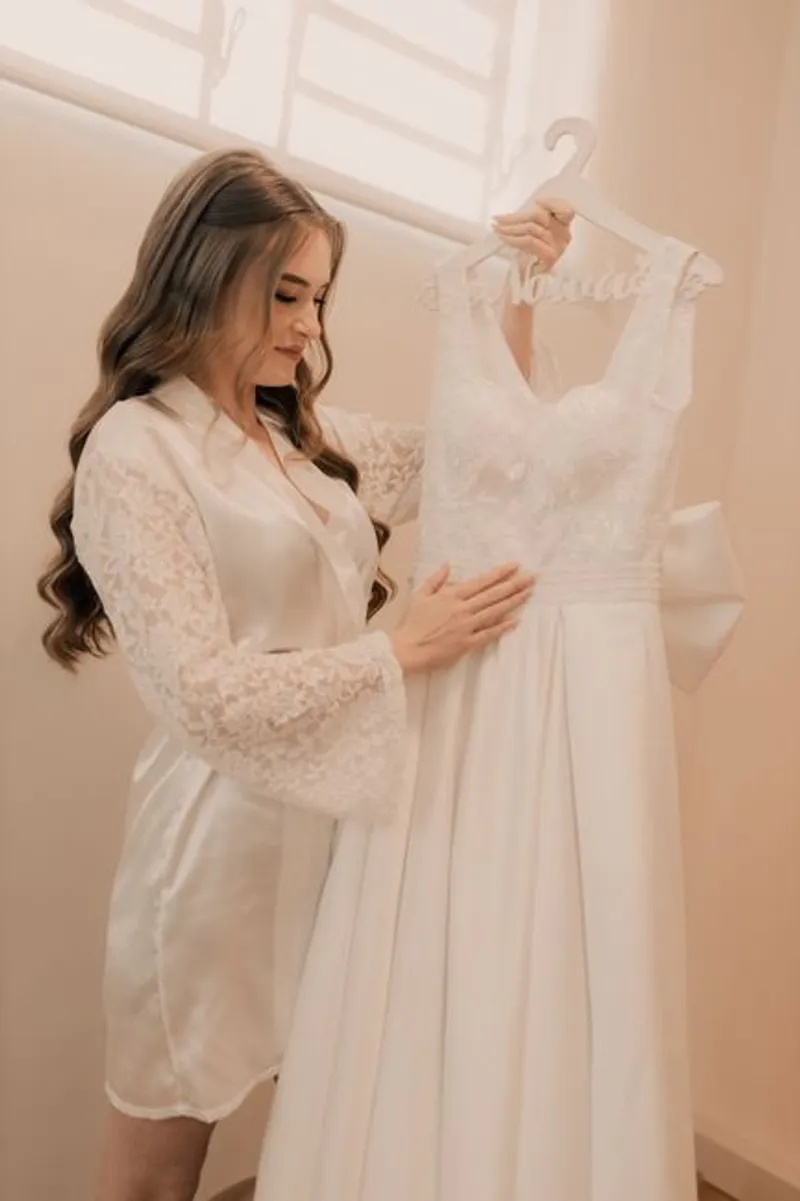
The Smithsonian’s National Museum of American History preserves a 1947 wedding dress made from a nylon parachute that reportedly saved the groom during World War II.
Read more →
A manuscript of Dante’s Commedia copied by Giovanni Boccaccio contains five small pen drawings in the lower margins of its Inferno pages.
Read more →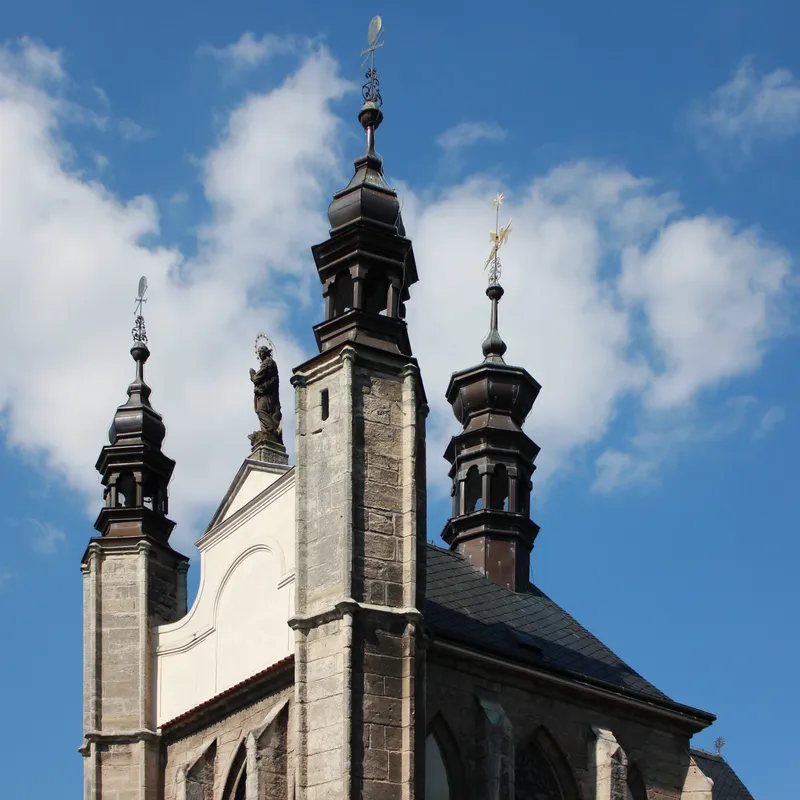
This list highlights European religious sites that deliberately use human bones or preserved bodies as architectural and devotional displays, making death visibly present.
Read more →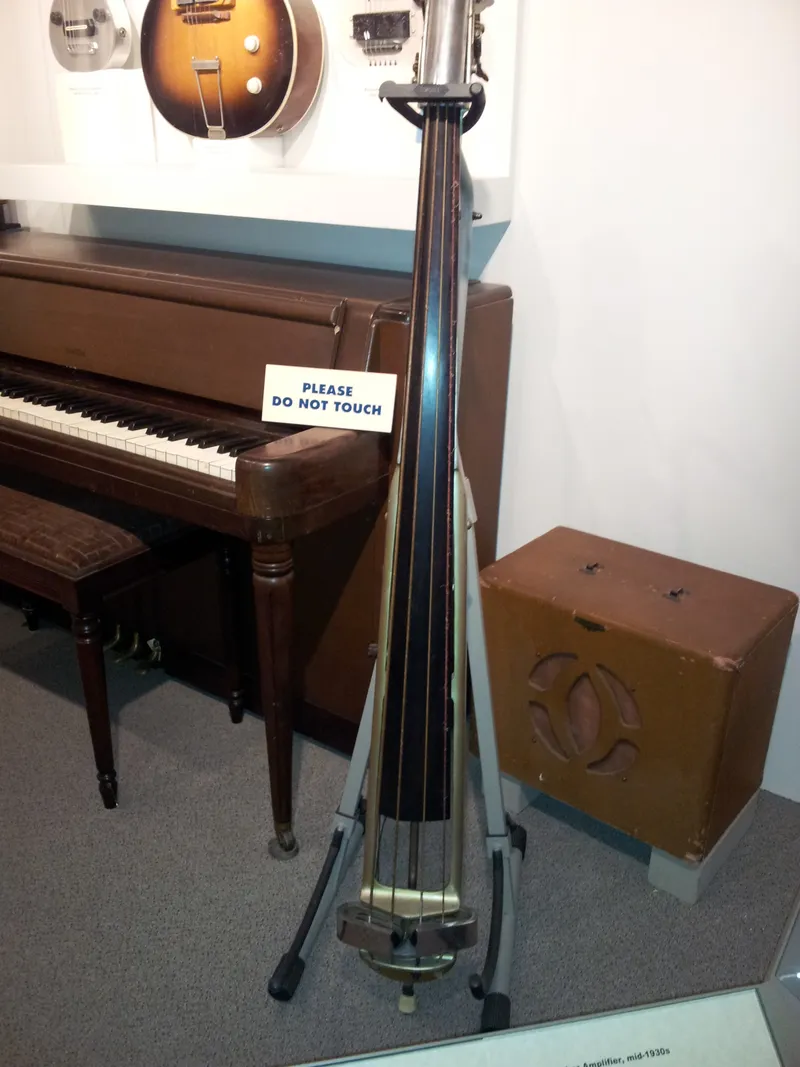
The article explains that the worn fingerboards of vintage rockabilly slap basses often show the physical damage caused by repeated string-pulling and snapping during performance.
Read more →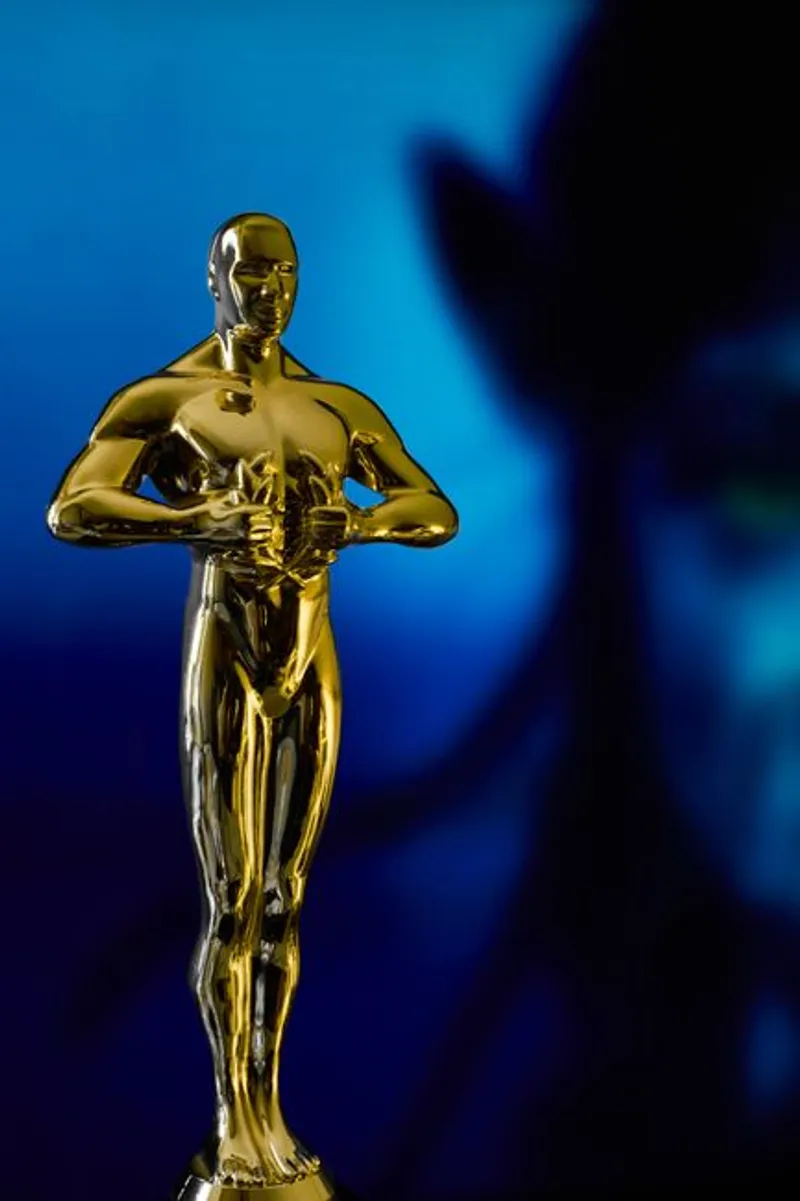
During World War II, the Academy Awards used painted plaster Oscar statuettes instead of the usual metal ones because wartime material shortages restricted metal use.
Read more →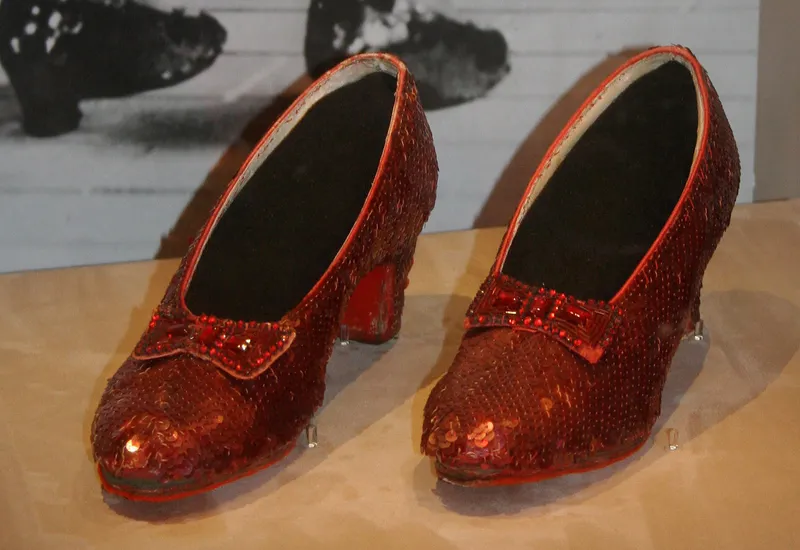
A pair of original ruby slippers from The Wizard of Oz was stolen from the Judy Garland Museum, recovered by the FBI after 13 years, and later tied to a Minnesota theft case.
Read more →Tap a topic to search across all CurioWire stories.
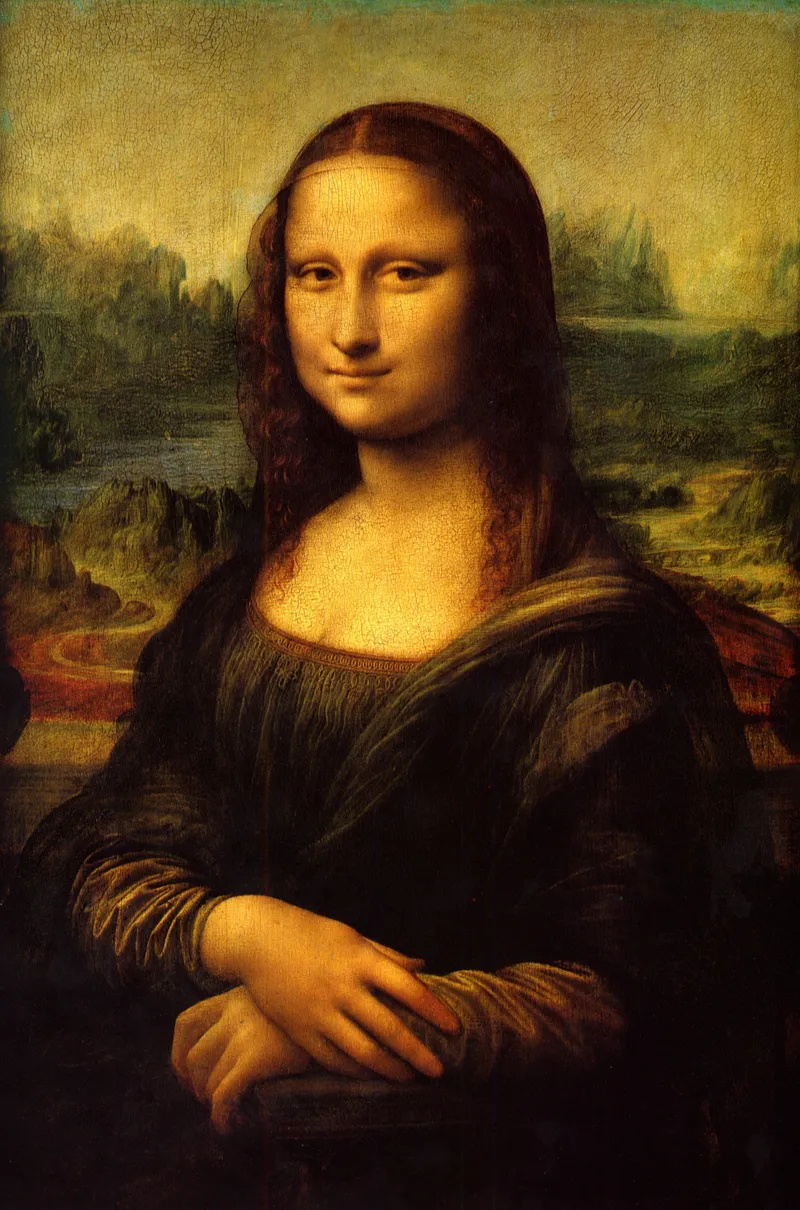
Vincenzo Peruggia stole the Mona Lisa from the Louvre in 1911, and the theft helped turn the painting into a global celebrity.
Read more →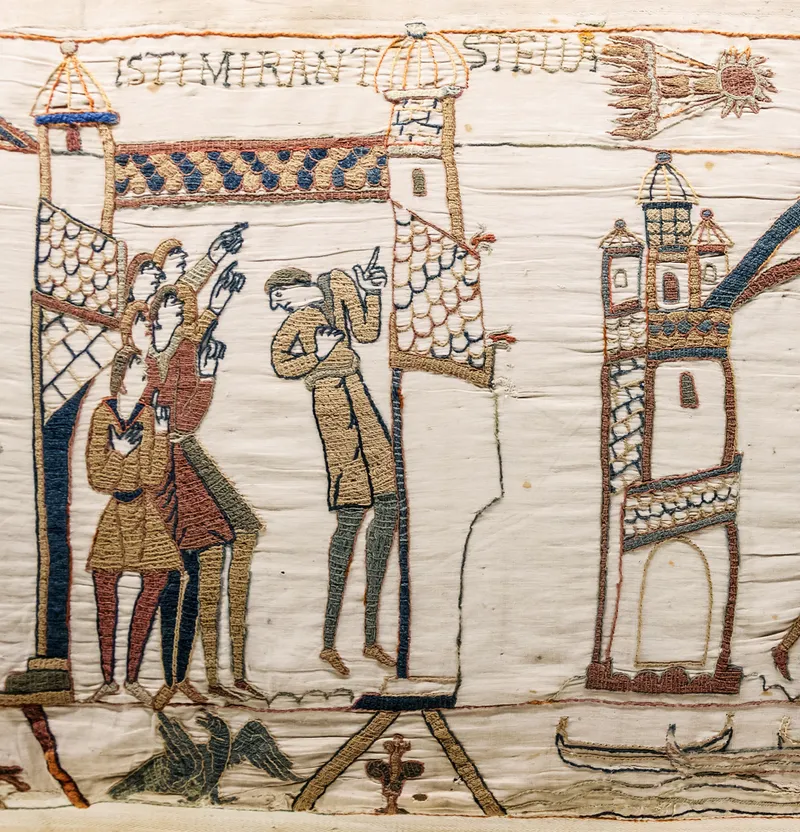
The Bayeux Tapestry includes a famous comet scene that historians identify as Halley’s Comet, linking the 1066 Norman Conquest to a real astronomical event.
Read more →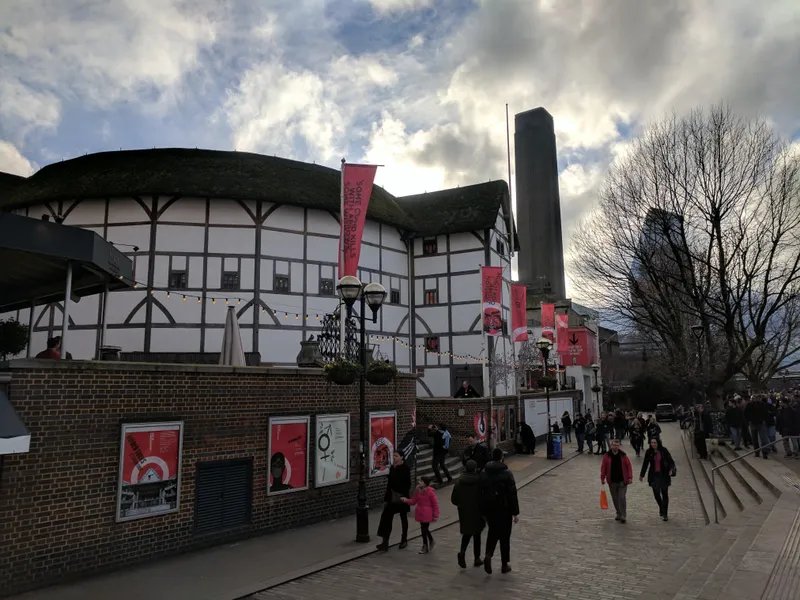
A performance of Shakespeare’s Henry VIII at the Globe Theatre ended in a fire when a stage cannon ignited the thatched roof.
Read more →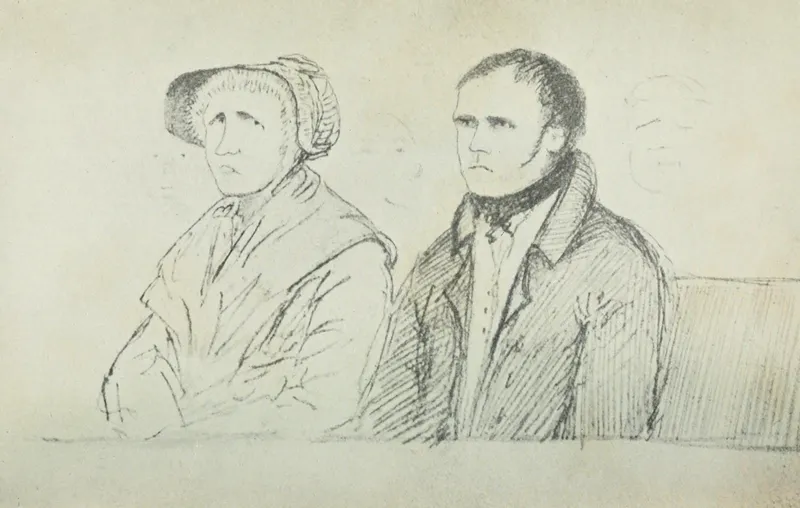
Britain’s shortage of legal cadavers in the early 19th century fueled grave robbing for medical dissection, until the 1832 Anatomy Act created a legal supply of bodies and reduced the trade.
Read more →