Japan Fibrinogen Scandal Confirmed by PCR Testing
Later PCR testing of retained Green Cross fibrinogen vials in Japan found hepatitis C viral RNA, confirming that some clinical stock had been contaminated.
Read more →Learn the secrets of the human vessel — medical discoveries, human biology and the science behind how our bodies function.

Later PCR testing of retained Green Cross fibrinogen vials in Japan found hepatitis C viral RNA, confirming that some clinical stock had been contaminated.
Read more →It mattered because Salk framed the newly successful polio vaccine as a public good rather than private property, giving a widely shared scientific breakthrough a powerful civic meaning.
Read more →The line mattered because it framed unequal medical outcomes as moral choices, not just technical failures, and became a defining statement of Farmer’s critique of global health inequality.
Read more →
The article explains that phantom sensations are not limited to missing limbs and can also occur after the loss or removal of other body parts, due to ongoing signals from the brain and nervous system.
Read more →
Medica issued a field safety notice and the FDA posted a Class II recall for certain capillary blood gas tubes after they were found to produce potassium results with up to a 20% positive bias.
Read more →
Barry Marshall’s 1984 self-experiment helped demonstrate that Helicobacter pylori can cause gastritis and plays a major role in many ulcers, changing treatment toward antibiotic eradication.
Read more →It mattered because it restated that a doctor’s first duty is the patient’s health, responding to wartime abuses and helping rebuild trust in medical ethics.
Read more →It formally characterized COVID-19 as a pandemic at a moment when the virus had already spread widely, giving the world a clear official term for an unfolding global emergency.
Read more →
A 1959 blood plasma sample from Kinshasa yielded the earliest known genetic sequence of HIV-1, helping scientists reconstruct the virus’s early spread in humans.
Read more →
A 1971 medical report linked prenatal exposure to diethylstilbestrol (DES) with a rare clear-cell cancer of the vagina and cervix in young women, leading to major changes in pregnancy drug safety and labeling.
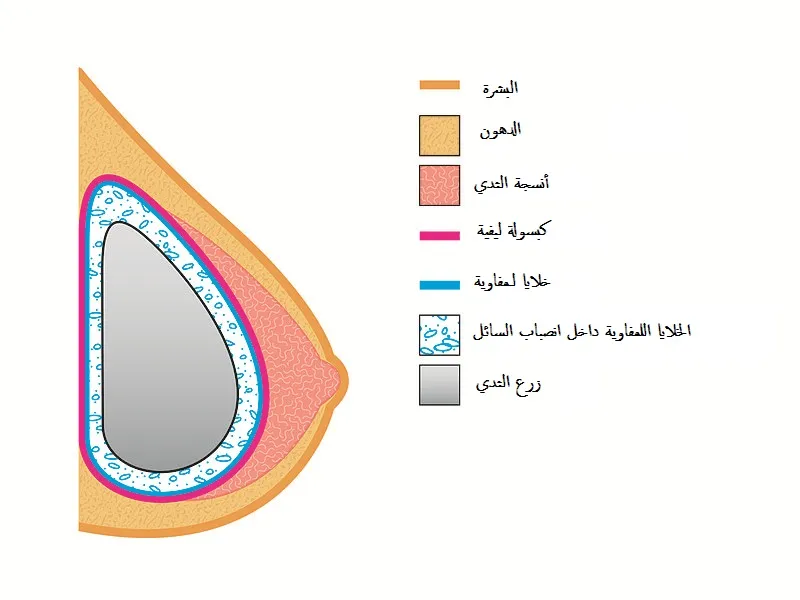
Read more →This article highlights surgical and implantable medical devices that were recalled, restricted, or largely abandoned after serious safety problems changed clinical practice and regulatory oversight.
Read more →
The 2012 NECC contaminated steroid injection outbreak caused fungal meningitis and deaths, and it led Congress to create stronger FDA oversight for large-scale compounding pharmacies in 2013.
Read more →
The CAST trial showed that antiarrhythmic drugs encainide and flecainide suppressed PVCs after myocardial infarction but increased mortality, proving that an improved surrogate marker does not necessarily mean better patient outcomes.
Read more →It set a lasting ethical priority for medical research by stating that protecting the individual participant comes before scientific or societal goals.
Read more →
In 2010, the mummified remains of two infants were found in an old steamer trunk in Los Angeles and later identified through DNA as the children of the trunk’s owner.
Read more →
This article explains how a small number of transfusion cases become exceptionally difficult because of rare blood types, complex antibodies, or pregnancy-related risks that require specialized matching and rare-donor coordination.
Read more →
The article explains how duodenoscopes used in ERCP were linked to CRE outbreaks because some designs were difficult to fully clean and disinfect.
Read more →
Early CJD cases linked to reused neurosurgical instruments showed that standard sterilization could fail against prions, leading to stricter decontamination and instrument-handling protocols.
Read more →
A neonatal intensive care unit Candida bloodstream outbreak was linked to contaminated retrograde syringe fluid used during parenteral nutrition, rather than to the nutrition solution itself.
Read more →It formally defined cigarette smoking as a major public-health hazard and helped justify federal anti-smoking action.
Read more →
Pemberton's sign is a bedside maneuver in which raising both arms causes facial congestion and neck vein distension, suggesting substernal goiter and possible thoracic inlet compression.
Read more →
A 1999 Legionnaires’ disease outbreak was traced to whirlpool spa displays at a flower show, where contaminated aerosolized water likely infected visitors.
Read more →
The article explains that powdered surgical gloves were banned in the United States after evidence showed the glove powder could cause inflammation, adhesions, and other complications, so hospitals shifted to non-powdered alternatives.
Read more →
Whole genome sequencing found closely related Lodderomyces elongisporus in infants and on apple surfaces, suggesting an unexpected environmental reservoir.
Read more →
A UK hospital investigation traced part of a Candida auris outbreak to reusable axillary temperature probes that were difficult to clean.
Read more →
The Tuskegee syphilis study became a landmark medical ethics scandal because researchers continued to deny participants penicillin after it was recognized as an effective cure for syphilis.
Read more →Tap a topic to search across all CurioWire stories.

Jesse Gelsinger died in 1999 after participating in a University of Pennsylvania gene therapy trial, prompting major scrutiny and tighter oversight of gene therapy research.
Read more →
The 1987 Duhaime et al. paper challenged a key biomechanical assumption in shaken baby syndrome by testing whether shaking alone could generate the forces thought necessary for the most severe brain injuries.
Read more →
A 2004 cluster of SARS infections in Beijing was linked to laboratory work, highlighting biosafety failures and prompting stronger laboratory safety measures in China.
Read more →
U.S. health officials traced mercury poisoning cases to a skin cream imported from Mexico, leading to FDA alerts, product testing, and warnings to stop using the cream.
Read more →