
🌿 Stories carved by wind and water
Plants in the Arctic Defy Winter by Changing Growth Patterns
naturePublished 01 Dec 2025
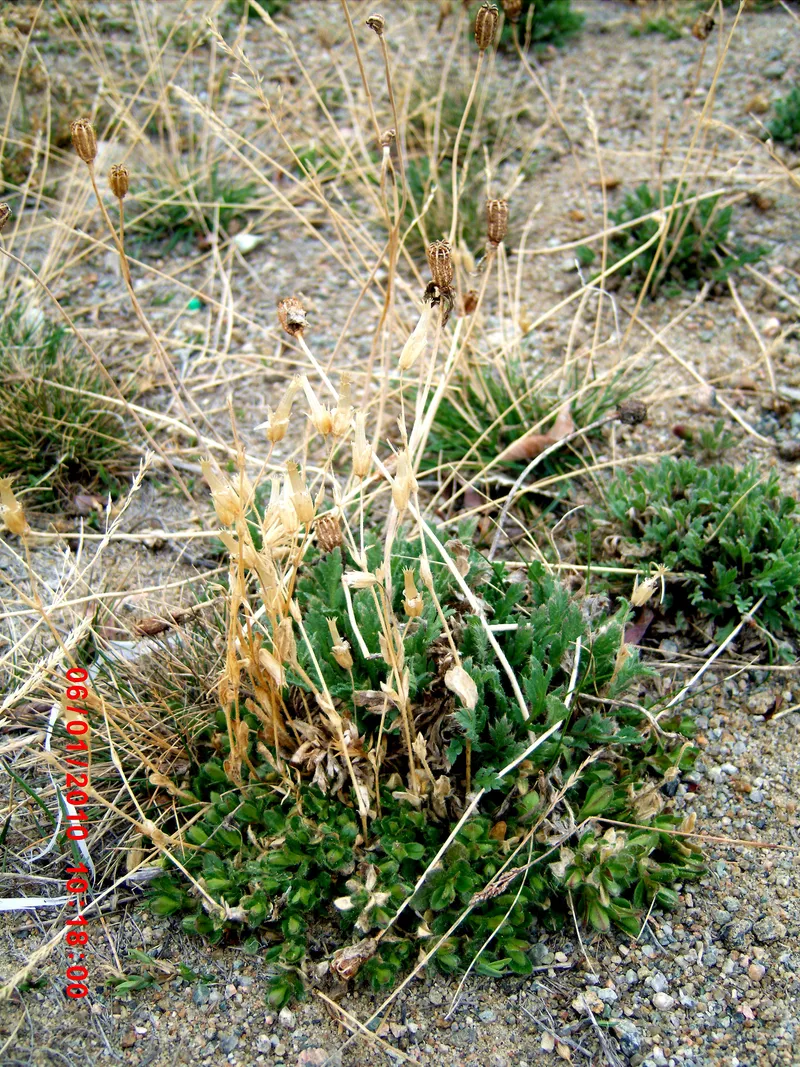
Image via Wikimedia Commons
- What: Arctic poppies and other plants exhibit remarkable adaptability by altering their growth patterns in response to changing daylight, even while buried under snow.
- Where: Arctic regions, particularly the glacial tundra of Svalbard.
- When: Primarily during the brief Arctic summer, with blooming observed as early as late May.
- How: These plants initiate growth and photosynthesis by detecting increased daylight, allowing them to thrive despite harsh conditions.
- Why: Understanding their resilience offers insights into adaptability and conservation strategies in the face of climate change.
The Marvel of Arctic Plants and Their Survival Strategies
In the harsh, seemingly desolate expanse of the Arctic, where snow blankets the ground for much of the year, a remarkable survival strategy unfolds beneath the frost. Certain plants have evolved the ability to alter their growth patterns in response to subtle shifts in daylight hours, even while still buried under snow. This phenomenon not only highlights the connection between light and life but also showcases the extraordinary resilience of flora in one of the planet's most extreme environments.
Astonishing Discoveries of Resilience in the Arctic
One prominent species showcasing this remarkable adaptability is the Arctic poppy (Papaver radicatum). Found across the glacial tundra of locations like Svalbard, these hardy plants can detect increasing daylight as the sun rises higher in the winter sky. Studies indicate that the Arctic poppy can initiate growth during the brief Arctic summer, allowing it to photosynthesize and thrive. Researchers have recorded flowers blooming as early as late May, despite being encased in frost just weeks prior. The ability to harness fleeting moments of warmth amid relentless cold demonstrates a connection between time and growth that seems almost magical. The resilience of these plants provides a dramatic contrast against their icy backdrop, transforming a bleak landscape into a vibrant testament to life's tenacity. As the seasons progress, Arctic poppies thrive with a growth rate accelerated by their adaptive strategies, revealing hidden connections between environmental cues—such as light and temperature—and their biological responses, a dance for survival that has evolved over thousands of years.
The Lessons Nature Teaches Us Today
The significance of this resilience lies in the insights it offers into adaptability amid changing environmental conditions. As global climate patterns shift, understanding how these organisms thrive against the odds could inform conservation strategies for various ecosystems. Interestingly, scientists at the Norwegian Institute of Nature Research have begun exploring how these plants might inform agricultural practices, especially in extreme conditions where traditional crops struggle to survive. The adaptability observed in these Arctic species underscores an essential truth—life finds a way to flourish even in the harshest conditions, prompting us to consider sustainability and resilience in our approach to nature. This remarkable interplay between light and life in Arctic flora reverberates beyond their icy realms, intertwining with human experiences and our evolving relationship with the environment, positioning us to reflect on our own resilience.
Did You Know?
Some Arctic plants can begin sprouting while still under snow, showcasing an extraordinary adaptation to their harsh environment.
The Arctic poppy can survive in temperatures as low as -5 degrees Celsius, illustrating the extreme resilience of life even in freezing conditions.
In addition to poppies, other Arctic species, like the alpine buttercup, also execute similar adaptive strategies, enriching the biodiversity of these frigid habitats.
Keep Exploring
CurioWire continues to uncover the world’s hidden histories — one curiosity at a time.
Sources & References
- Norwegian Institute of Nature Research - Arctic Plant Adaptations
- National Snow and Ice Data Center - Arctic Flora and Fauna
- Journal of Arctic Biology - Growth Patterns of Arctic Poppies