
🌍 Records from the halls of power
The Teen Who Ignited a Global Climate Action Movement
worldPublished 01 Dec 2025
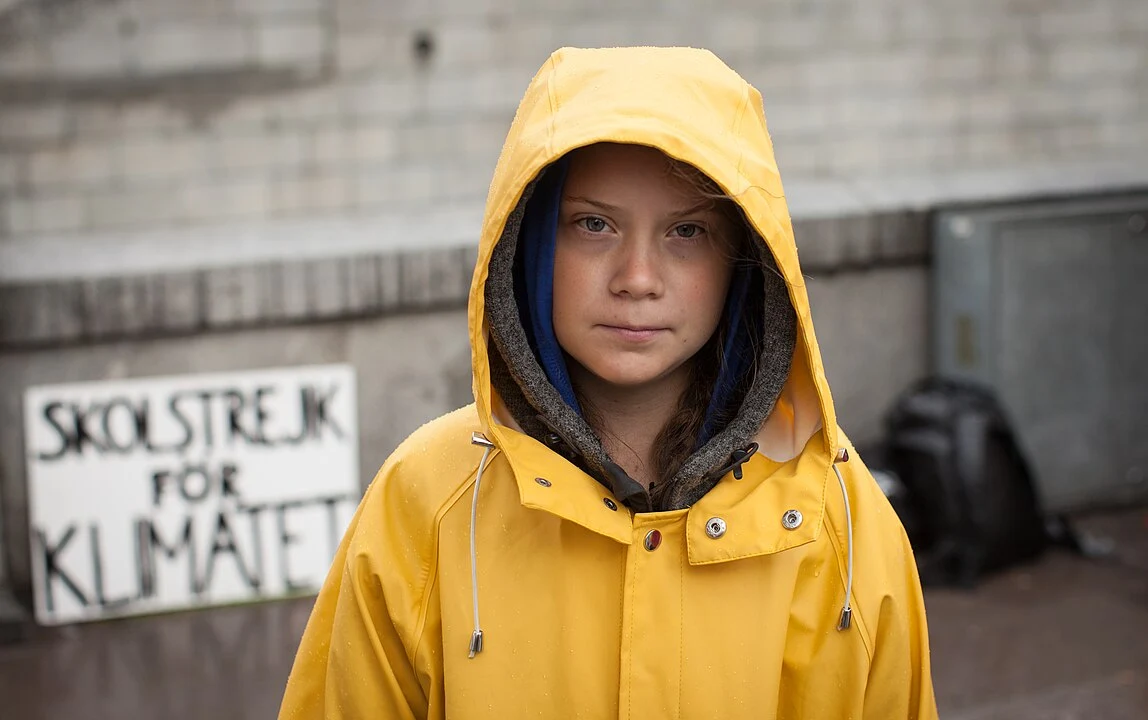
Image by Anders Hellberg - CC BY-SA 4.0
- What: Greta Thunberg, at just 15 years old, sparked a global climate action movement through her solitary protests.
- Where: Sweden, with a ripple effect felt worldwide
- When: 2018 onwards
- How: By initiating "Fridays for Future," Thunberg mobilized millions to demand climate action
- Why: Her activism highlights the rising influence of youth in challenging authoritarianism and advocating for environmental justice.
Young Voices Defying Authoritarianism through Climate Activism
In a world increasingly dominated by authoritarian regimes, one teenager stood up amidst the chaos. Greta Thunberg, just 15 years old, emerged as a formidable force in 2018, initiating a series of protests that ignited a global climate action movement. Her youthful resilience inspired millions to join her cause and posed a significant challenge to leaders who prioritize political power over environmental responsibility. Could her activism serve as a beacon of hope against rising global disillusionment?
From Local Action to Global Movement in a Year
Greta Thunberg began her journey alone, sitting outside the Swedish parliament with a sign reading “Skolstrejk för klimatet” (School Strike for Climate). By September 20, 2019, during a global climate strike, her solitary protest had evolved into “Fridays for Future,” a worldwide movement that mobilized an estimated 4 million participants in its largest demonstrations. This transformation from individual action to a global phenomenon illustrates the profound impact localized grassroots movements can have in confronting systemic oppression. Thunberg, who famously chastised world leaders at the United Nations, has faced backlash and personal threats, particularly from authoritarian figures who perceive her influence as a direct challenge to their narratives. By exposing the blind spots of powerful regimes regarding climate change, she evokes echoes of historical civil rights movements, where youth played pivotal roles in demanding justice and systemic change.
The Ongoing Significance of Youth-led Activism
The significance of Thunberg's movement lies in its demonstration of how localized activism can directly confront oppressive systems. Records indicate that authoritarian regimes often suppress dissent; yet, the sheer scale of Thunberg's impact highlights a shift in societal dynamics—where the voices of the young are becoming increasingly potent. Recent studies show that youth activism has risen globally, with over 60% of young people expressing dissatisfaction with their governments' climate policies. This trend reveals a growing awareness and commitment to environmental issues, indicating that contemporary societies are capable of organized resistance driven by grassroots efforts. Thunberg's journey reminds us that even in the face of widespread disillusionment and authoritarian backlash, the spirit of protest and the demand for justice remain unyielding.
Did You Know?
In 2019, approximately 4 million people participated in climate strikes organized under the “Fridays for Future” movement, marking one of the largest global protests in history.
Greta Thunberg has faced significant criticism from various authoritarian leaders; yet, her movement has proliferated worldwide, highlighting the power of youth activism against repression.
Since the inception of her first protest, Greta has become a symbol of environmental activism, inspiring countless youth-led initiatives across the globe focused on sustainability and climate justice.
Keep Exploring
CurioWire continues to uncover the world’s hidden histories — one curiosity at a time.
Sources & References
- United Nations Framework Convention on Climate Change (UNFCCC)
- Fridays for Future official website
- Global Climate Strike reports, 2019