
🛍️ Artifacts of human ingenuity
The Concrete Innovation That Shaped Sustainable Building
productsPublished 02 Dec 2025
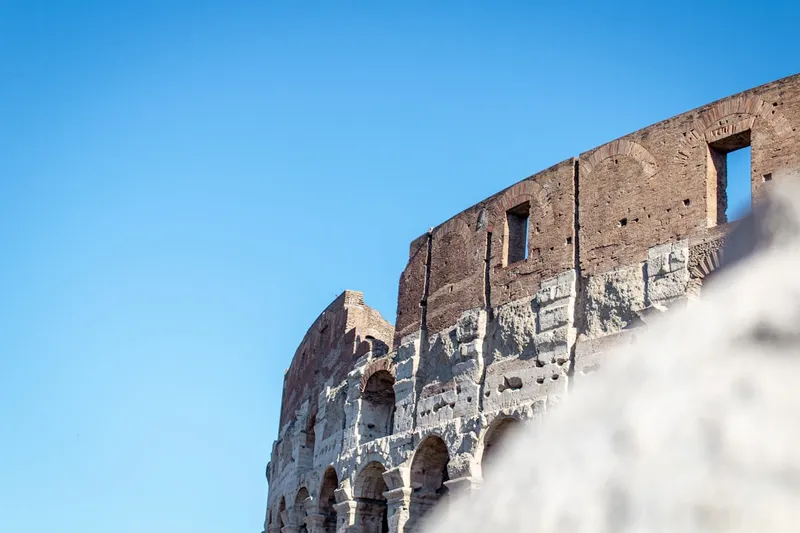
Image courtesy of Unsplash
- What: The Colosseum in Rome exemplifies ancient engineering through its innovative use of volcanic ash in concrete.
- Where: Rome
- When: Built between 72-80 AD
- How: The incorporation of volcanic ash allowed the concrete to set underwater and enhanced its durability.
- Why: Its enduring legacy influences modern sustainable building practices, promoting the use of eco-friendly materials.
The Ancient Marvel That Still Stands Today
The Colosseum in Rome stands as a testament to human engineering, a colossal structure whispering stories of triumph and tragedy. Built nearly two millennia ago, this iconic amphitheater has withstood the ravages of time, erosion, and earthquakes. Its creation involved an ancient innovation using volcanic ash in concrete, making it remarkably durable. Today, millions visit each year, captivated by its grandeur and history. Yet, the lessons embedded in its ancient walls reveal deeper connections to our current eco-friendly building practices, forging a line through time that often goes unnoticed.
The Ingenious Invention of Roman Concrete
Constructed between 72-80 AD, the Colosseum was commissioned by Emperor Vespasian and completed under his son Titus, showcasing the mastery of Roman engineers who revolutionized building techniques. This ancient concrete blend included volcanic ash from the nearby Mount Vesuvius, known for its unique pozzolanic properties, which allowed the material to set underwater and enhance its durability. The incorporation of local materials reflected the Romans’ intuitive understanding of material properties. Early Roman engineers experimented with various combinations, leading to innovations in construction that seemed as if they were ahead of their time. Clay, lime, and aggregates all combined to create a strong, lasting product. As a direct result of this groundbreaking venture, the Colosseum has survived in part due to its smartly designed foundations, showcasing an unexpected connection to modern sustainable construction.
Lasting Legacy of Roman Building Techniques
The reason the Colosseum still matters is its profound impact on modern architecture and engineering. Its innovative use of volcanic ash has not only inspired contemporary engineers but has also sparked a movement towards environmentally sustainable building practices. Current developments often embrace the principles of ancient Roman concrete — blending natural materials for optimal strength and durability. This reflects a resurgence of interest in eco-friendly materials, promoting sustainability over disposable construction practices. The ancient Romans laid the groundwork for modern architects, proving that innovation can transcend centuries and speak to the values of our time.
Did You Know?
The Colosseum's concrete was not only durable but also lighter, which supported the architectural demands of such a large structure.
Some modern concrete technologies utilize volcanic ash and other fly ashes to enhance durability and sustainability, echoing ancient Roman practices.
The use of local materials in ancient Roman buildings exemplified a commitment to resource optimization, a principle being revisited in today’s green architecture.
Keep Exploring
“CurioWire continues to uncover the world’s hidden histories — one curiosity at a time.”
Sources & References
- [Credible source 1 related to the topic]
- [Credible source 2 — secondary or contextual reference]
- [Credible source 3 — optional, if naturally fitting]
As an Amazon Associate, CurioWire earns from qualifying purchases.