
🫀 Secrets of the human vessel
The Ancient Light Healing Practice That Boosts Modern Mood
healthPublished 08 Dec 2025
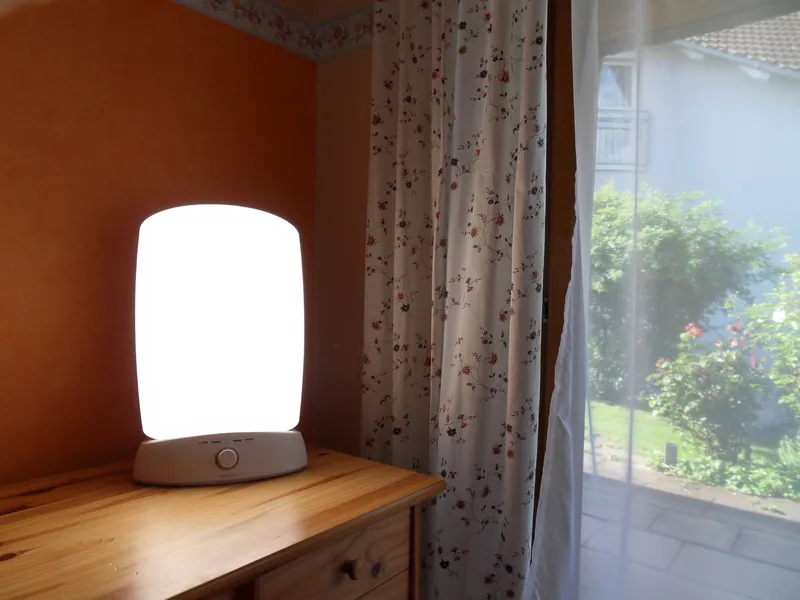
Image by Slllu — Public domain
- What: Light has been used throughout history as a healing tool, with modern research supporting its impact on mood and well-being.
- Where: Across various ancient civilizations, including Egypt and Greece
- When: From ancient times to modern research in the 21st century
- How: Specific wavelengths of light can influence emotional states and circadian rhythms.
- Why: Understanding light's role in health can lead to improved well-being practices today.
Illuminating the Connection Between Light and Well-Being
Throughout history, light has held a profound place in the healing arts, often regarded as a source of life and vitality. Ancient civilizations, from the Egyptians to the Greeks, harnessed sunlight for its purported therapeutic effects, believing it could cure ailments ranging from physical pain to mental disturbances. In modern terms, research from the University of Toronto in 2018 illuminated how specific light wavelengths can significantly alter our emotional states and circadian rhythms. This suggests a rich, intertwined legacy of light's influence on well-being that resonates through time.
The Rediscovery of Chromotherapy and Its Modern Implications
The practice of chromotherapy, or light healing, may evoke images of ancient rituals, but its contemporary applications reveal fascinating intersections with science. In the late 19th century, the American physician Dr. Edwin Babbit popularized color therapy, suggesting that red light could invigorate while blue light could calm—the same principles observed today in light box therapy for Seasonal Affective Disorder (SAD). Fast forward to 2020, a pivotal study led by researchers at the University of Alberta found that exposure to bright light in the morning enhances mood and energy levels by increasing dopamine and serotonin release. This response illustrates a biophysiological framework where light functions as a crucial regulator of not only our sleep patterns but also our overall emotional health, challenging how we perceive mundane sunlight in our daily lives.
The Lasting Impact of Light Exposure on Modern Health
The reason this matters today is that understanding light’s intricate role can significantly transform our health practices. The exploration into light as medicine reflects a shift towards using natural methods for well-being. For instance, studies indicate that a significant portion of the U.S. population experiences sleep disorders, often exacerbated by artificial blue light emitted from screens. This has led to a burgeoning movement advocating for more natural light exposure, mimicking sunrise and sunset patterns to enhance melatonin production at night and boost mood during daylight hours. By embracing the healing potential of light, we are not only reconnecting with ancient wisdom but also shaping a healthier future where well-being is intrinsically linked to our environment.
Did You Know?
Bright light exposure in the morning for just 20 minutes has been shown to increase energy levels and elevate mood throughout the day.
The ancient Egyptians had various practices involving light and healing, contributing to the foundations of modern practices like chromotherapy.
Studies indicate that a significant portion of the U.S. population is affected by sleep disorders, underscoring the importance of managing light exposure in daily life.
Keep Exploring
CurioWire continues to uncover the world’s hidden histories — one curiosity at a time.
Sources & References
- [Journal of Light Therapy Research]
- [The History of Healing with Light — A Comprehensive Overview]
- [American Sleep Association — Sleep Disorders and Light Exposure]