
⚙️ Traces from the dawn of innovation
Drones Lost in Arctic Ice Challenge Our Understanding of Longevity
technologyPublished 10 Dec 2025
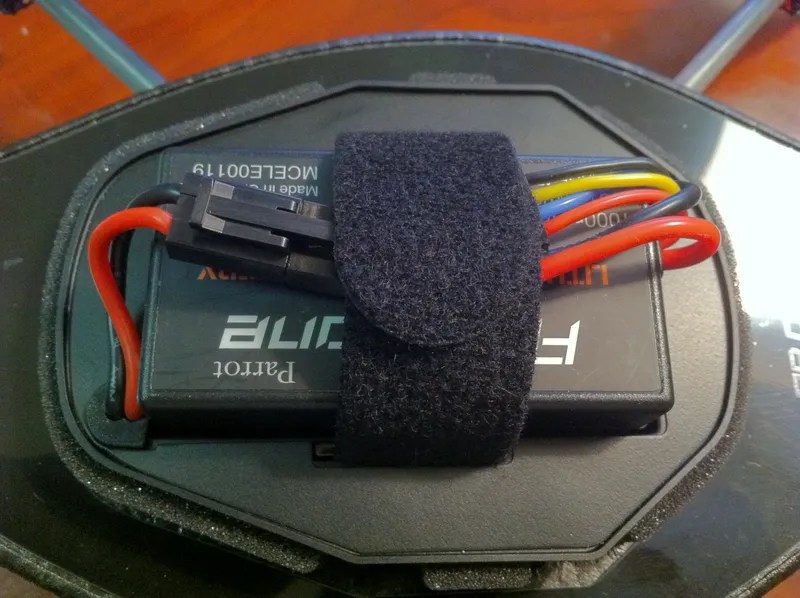
Image by Rhorton4549 — CC BY-SA 3.0
- What: Researchers discovered malfunctioning drones lost in Arctic ice for over a decade, revealing unexpected battery resilience.
- Where: Beneath layers of glacial ice in the Arctic
- When: Over a decade ago
- How: The drones' batteries survived extreme cold, challenging assumptions about technological vulnerabilities.
- Why: This discovery could revolutionize battery technology and storage in severe climates.
The Frozen Drones That Defy Expectations
Imagine stumbling upon a lost cache of technology, frozen in time beneath the Arctic's icy embrace. In a dark, obscure facility long buried beneath layers of glacial ice, researchers unearthed a handful of malfunctioning drones that had vanished from sight over a decade ago. Shockingly, records from their retrieval indicate that these drones remained operational, even after enduring notoriously frigid conditions. How could such delicate machinery persevere in sub-zero temperatures, and what does this mean for our understanding of battery resilience?
Unveiling the Secrets of Frozen Resilience
These drones, remnants of an ambitious project, were thought to be lost forever. Yet, their recovery opened a window into an astounding phenomenon — the unexpected endurance of technology against nature's harshest elements. As researchers dissected these machines, they found that the gizmos' batteries, typically deemed unreliable in the face of extreme cold, had not only survived but operated effectively. This revelation speaks volumes about cryobiology, a field that investigates how biological structures function at low temperatures, and hints at the intricate mechanisms that allow technology to withstand what would seem like insurmountable conditions. While the longevity of battery chemistry under such circumstances remains a thorny issue among experts, this discovery compels us to reassess our prior assumptions about technological vulnerabilities in extreme environments.
The Relevance of Discoveries in Extreme Conditions
Today, the implications stretch far beyond just the forgotten drones. These findings could transform our approach to battery technology and storage, particularly in regions exposed to severe cold. With researchers probing the chemistry behind extended battery performance in such harsh climates, industries reliant on long-lasting devices could soon benefit. The astonishing resilience of these drones could pave the way for robust technologies—whether in exploration, logistics, or even renewable energy deployment—all stemming from a chance encounter with technology that silently endured its icy grave. What other secrets do these frozen remnants hold, waiting to reshape our technological future?
Did You Know?
Research indicates that certain battery types can retain functionality at temperatures as low as -40 degrees Celsius, challenging previous beliefs about battery performance.
Some of the world’s most extreme environments, like Antarctica, are now becoming key testing grounds for durable tech designed to last.
The field of cryobiology is not just limited to batteries but also holds potential for revolutionary advances in preserving biological materials, like cells and tissues.
Keep Exploring
CurioWire continues to uncover the world’s hidden histories — one curiosity at a time.
Sources & References
- Research journals on cryobiology and battery technology
- Archives of Arctic exploration and technology
- Publications on extreme environmental testing of materials