
⚙️ Traces from the dawn of innovation
The Ancient Codices That Reveal Hidden Celestial Wisdom
technologyPublished 16 Dec 2025
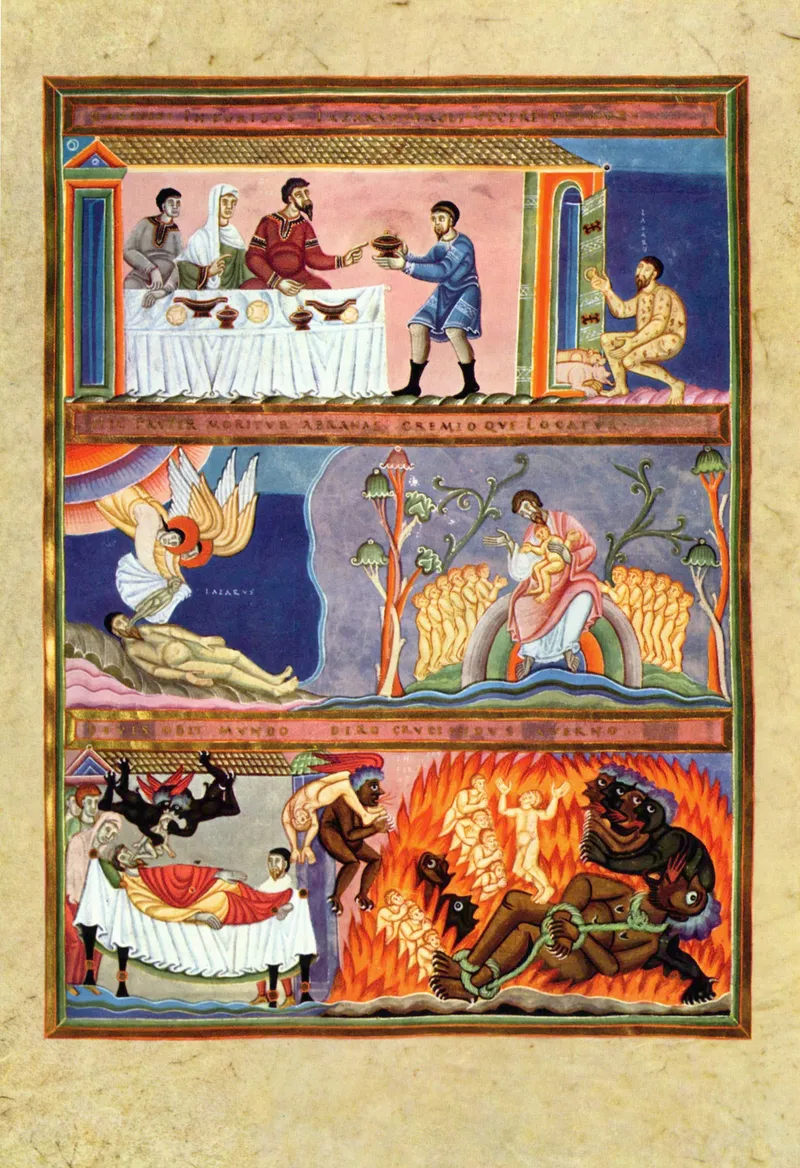
Image by Master of Codex Aureus Epternacensis — Public domain
- What: The Mayan codices, such as the Dresner Codex, unveil profound astronomical knowledge and sophisticated calendar systems.
- Where: In the heart of the Mayan civilization
- When: Over 1,000 years ago
- How: Through meticulous records of celestial events and cycles
- Why: They reveal a deep understanding of the cosmos, challenging perceptions of ancient cultures.
Unlocking a Cosmic Mystery Beneath Ancient Texts
Imagine a realm where cryptic inscriptions hold the secrets of the universe, waiting for a diligent mind to peel back their layers. In the heart of the Mayan civilization, codices like the Dresner Codex have captivated historians with their intricate details of astronomical observations. With over 1,000 years of recorded celestial data, they hint at a deeply sophisticated understanding of the cosmos—far from the primitive image often attributed to ancient cultures. What hidden insights lie within these seemingly indecipherable pages?
Revealing the Hidden Truth of Mayan Astronomy
The Mayans, known for their stunning pyramids and complex society, also practiced a meticulous form of archaeoastronomy. Their codices do much more than merely record celestial events; they reveal a blueprint of calendar systems that echo a profound comprehension of celestial cycles. Historians have identified sophisticated methods of tracking solstices and equinoxes, elements crucial for agricultural planning. Yet, as researchers progressively translate these ancient texts, debate continues regarding their interpretations, fueling curiosity about how ancient minds perceived the universe. Each glyph teeters on the edge of comprehensibility, revealing a world where stars inscribed in ancient minds guide the rhythm of life.
The Enduring Legacy of Ancient Celestial Knowledge
Today, this ancient understanding of astronomy resonates with modern scientific endeavors, reminding us of the bridges connecting past and present through the lens of the cosmos. Although the Mayan civilization faded, their insights into the stars can still be found within current astronomical studies and modern calendar systems, pointing to cycles in nature and their influence on human life. As we decipher and uncover more about these ancient texts, we become aware of the harmonic echoes between our quest for knowledge and theirs, leaving us to wonder: What else might these ancient civilizations hold for us in their unread pages?
Did You Know?
The Mayan civilization created a sophisticated calendar system known as the Long Count calendar, which could track dates over a period of over 5,000 years.
Some Mayan codices, such as the Madrid Codex, include detailed glyphs that depict solar and lunar eclipses, significant astronomical events in their culture.
Research suggests that the precision in Mayan astronomy allowed them to observe celestial events with an accuracy of up to two days, a remarkable feat for their time.
Keep Exploring
CurioWire continues to uncover the world’s hidden histories — one curiosity at a time.
Sources & References
- [Credible thematic source — archive, journal, museum, research body]
- [Secondary contextual source]
- [Optional tertiary source]