
🌍 Records from the halls of power
The Forgotten Treaty Shaping Antarctica's Geopolitical Landscape
worldPublished 16 Dec 2025
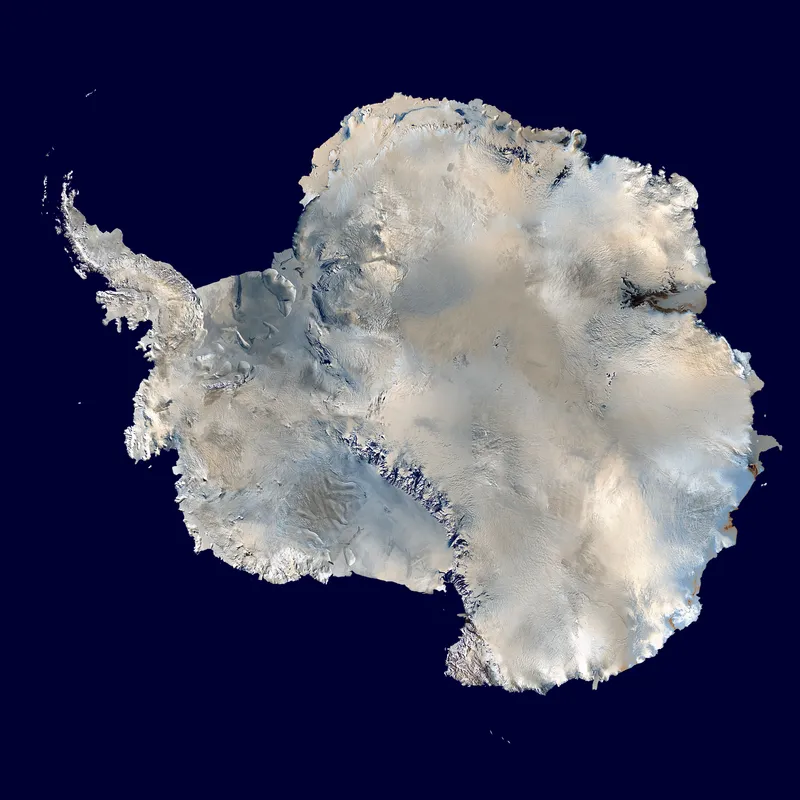
Image by Dave Pape — Public domain
- What: A forgotten treaty from 1939 influences the geopolitical landscape of Antarctica.
- Where: Antarctica
- When: 1939 and beyond
- How: By establishing a framework for environmental stewardship amid competing territorial claims.
- Why: It underscores the tension between conservation efforts and the rush for mineral resources.
How a 1939 Treaty Became a Modern Battleground
In a world where land claims can ignite conflicts, a forgotten treaty from 1939 quietly exerts influence over Antarctica. This historic agreement was designed to safeguard the continent’s unique wildlife and ecosystems, yet today it represents a fragile boundary between environmental stewardship and the scramble for mineral resources. With vast wealth concealed beneath its icy surface, nations are forging unexpected alliances, all while territorial claims remain in limbo. What implications does this hold for the future of our planet's coldest frontier?
Polar Paradoxes: Conservation vs. Exploitation
The Antarctic Treaty, signed in 1959, was groundbreaking in its vision. It aimed to foster international cooperation in scientific research while imposing a moratorium on military activity. However, the rise of technological advancements and shifting global politics have introduced unforeseen tensions. Satellite imagery reveals an alarming rate of ice shelf changes, while researchers highlight a paradox: as geopolitical interests warm to resource extraction, the delicate balance sought by the treaty is increasingly threatened. Environmental policy, once a shared aspiration, has morphed into a point of contention among nations eager to exploit the hidden riches of this subzero landscape. The peace that once characterized this isolated expanse is now disrupted by conflicting ambitions.
The Echo of History: Why It Matters Today
In today’s climate, the implications of the treaty extend far beyond the icy borders of Antarctica. As scientists raise alarms about critical changes in Antarctic ice shelves, the original spirit of the treaty appears drowned in the clamor of ambition. Understanding these dynamics is vital; it’s not merely about polar ice but encompasses our broader environmental policies and international relations. As nations confront challenges like climate change, the treaty’s balance becomes more crucial than ever. The unresolved territorial claims in Antarctica symbolize global divides over resources, conservation, and responsibility, prompting the question: can humanity transcend its ambitions to protect what remains?
Did You Know?
The Antarctic Treaty has been signed by 54 parties, including countries and the European Union, making it one of the most widely accepted international treaties in history.
Recent studies suggest that significant portions of the Antarctic ice shelves could collapse within the next decades, dramatically altering global sea levels.
Satellite imagery has revealed that Antarctica is losing ice six times faster today than it was in the 1990s, emphasizing the urgency of environmental policies.
Keep Exploring
CurioWire continues to uncover the world’s hidden histories — one curiosity at a time.
Sources & References
- International treaty archives
- Environmental research journals
- Climate change studies