
🫀 Secrets of the human vessel
The Mysterious Shifts of Identity Within Us
healthPublished 18 Dec 2025
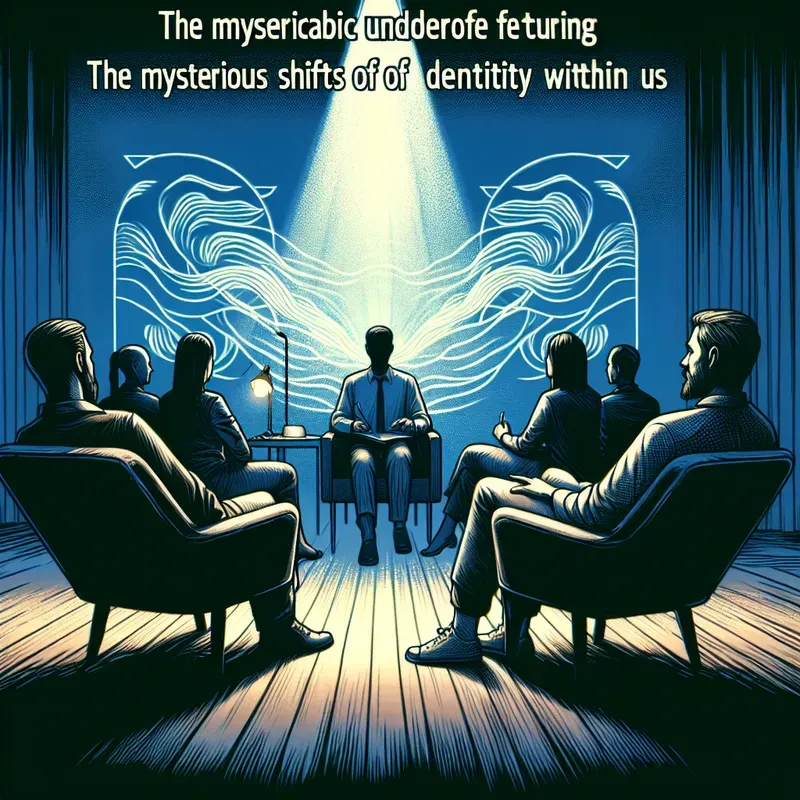
Illustration by DALL·E 3
- What: Dissociative identity disorder (DID) showcases dramatic personality transformations within individuals.
- Where: In clinical settings
- When: Documented through various case studies
- How: Through the interplay of distinct cognitive processes co-existing in one person
- Why: It challenges our understanding of identity and consciousness.
Inside the Minds of Dissociative Identity Disorder
Imagine sitting across from a person who suddenly transforms before your eyes, their voice, mannerisms, and even memories shifting in an instant. This dramatic phenomenon characterizes patients with dissociative identity disorder (DID), a condition documented through clinical case studies that reveal unsettling personality shifts. These transformations suggest multiple cognitive processes co-existing within a single individual, blurring the lines of who they truly are. What does it mean to have shadows of selves intertwining within?
The Astonishing Clinical Documentations of DID
Dissociative identity disorder, once known as multiple personality disorder, remains one of the most enigmatic conditions in neuropsychology. In therapy sessions, patients often display extraordinary behavioral anomalies — dramatic personality changes that are not merely performative but can lead to altered physiological responses and memory capabilities. For instance, some clinical records describe patients who, while exhibiting one identity, experience different pain thresholds, allergies, and even unique memories tied to each personality. These shifts highlight a complex interplay between the mind and body, challenging our established understanding of identity and self. Research continues to grapple with how these distinct cognitive processes can exist within one person, and why traditional frameworks often fall short when trying to explain such profound phenomena. Emotions, sensory perceptions, and even physical states appear to pivot with each identity, leaving researchers mystified and raising questions about the very nature of consciousness itself.
The Modern Relevance of Identity Fragmentation
As we delve into the persistence of dissociative identity disorder in contemporary mental health discussions, the implications are both profound and pertinent. In a world increasingly seeking to understand the complexities of the human mind, the stories of those with DID serve as a lens through which the depths of identity can be explored. Notably, a study from the late 2010s led by Szabó and colleagues highlighted the intricate ways in which psychological trauma links to identity fragmentation, revealing a modern echo of experiences documented for decades. The layered narratives of these individuals compel us to reconsider our definitions of self and identity, blending psychological inquiry with compassionate understanding. In this exploration, we are reminded of the beautiful yet fragile nature of being human and the hidden depths that remain to be uncovered.
Did You Know?
Around 1-3% of the general population is estimated to be affected by dissociative identity disorder, often going undiagnosed for years.
Clinical case studies reveal that some individuals with DID report experiencing amnesia regarding the events and actions of their alternate personalities.
Therapists note that each distinct personality in DID may possess its own set of memories, behaviors, and even different medical conditions or responses.
Keep Exploring
CurioWire continues to uncover the world’s hidden histories — one curiosity at a time.
Sources & References
- American Psychiatric Association
- Journal of Trauma & Dissociation
- National Institute of Mental Health