
🏺 Recovered from the dusty archives
The Transformative Power of Deceptive World War I Posters
historyPublished 18 Dec 2025
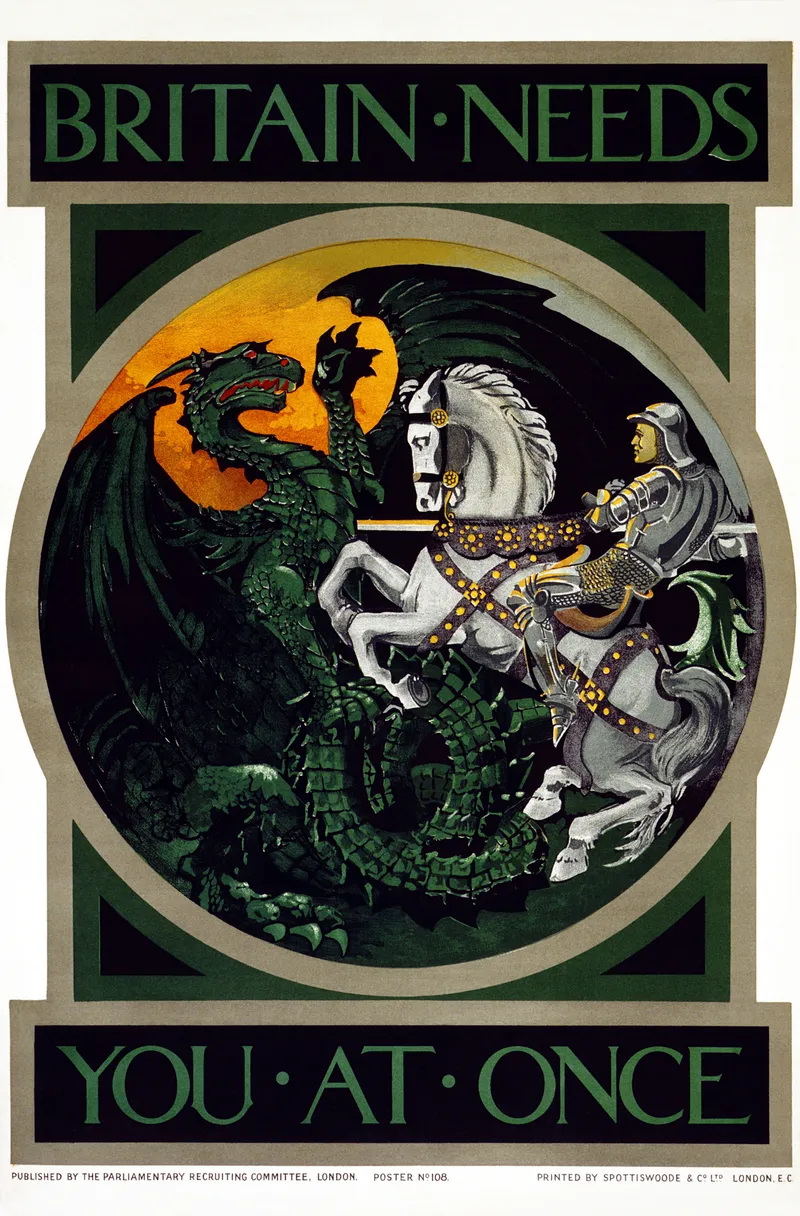
Image by Adam Cuerden (restoration) — Public domain
- What: World War I propaganda posters profoundly influenced public sentiment and societal norms.
- Where: United States and other nations involved in the war
- When: 1914-1918
- How: Through vivid imagery that depicted the enemy as monstrous figures, invoking fear and anger.
- Why: This manipulation of perception created legacies of enmity that continue to impact modern geopolitics and cultural identities.
Images that Shaped a Nation's Heart
Amidst the chaos of the First World War, posters depicted the enemy as monstrous figures, influencing public sentiment in astonishing ways. Research has shown that between 1914 and 1918, these carefully crafted pieces of propaganda not only fueled enlistment but profoundly altered societal norms. How did a mere image carry such weight in shaping collective attitudes and legacies of enmity that still echo today?
Unraveling the Impact of Propaganda Art
Archival collections of World War I propaganda posters reveal a landscape of vivid imagery and profound deception. These posters portrayed the enemy in grotesque forms, stripped of their humanity, invoking fear and anger among the populace. The shocking nature of these depictions prompted viewers to see their foes not merely as adversaries but as existential threats, directly fueling enlistment numbers. In the United States alone, the army saw recruitment soar by 70% after the release of particularly menacing imagery. The psychological impact of this campaign was staggering, as it not only mobilized a nation for war but effectively wove a narrative that painted the enemy as less than human—a theme echoed in propaganda throughout history.
The Echoes of Historical Narratives in Modern Times
This legacy of animosity persists today, reminding us how the media can shape public perception. Similar tactics are still employed, as nations utilize art and communication to convey narratives that serve specific agendas. The ongoing debates among historians about the implications of these propaganda efforts reveal that the roots of societal norms formed during the Great War still influence modern geopolitics and cultural identities. As we reflect on this dark chapter of history, we are left pondering: how do images crafted in wartime continue to shape a nation's heart and identity long after the conflict ceases?
Did You Know?
The British Government's Wellington House was responsible for crafting World War I propaganda, producing over 7,000 posters to shape public sentiment.
Some of the most iconic propaganda posters featured characters like "Lord Kitchener," whose finger-pointing image encouraged enlistment, making him a national symbol.
Researchers still debate the lasting psychological effects of wartime propaganda, with studies examining how they create lasting biases against former adversaries.
Keep Exploring
CurioWire continues to uncover the world’s hidden histories — one curiosity at a time.
Sources & References
- Imperial War Museums
- National Archives
- Journal of War and Culture Studies