
🎭 Fragments from the heart of civilization
The Hidden Legacy of Art in Marginalized Communities
culturePublished 18 Dec 2025
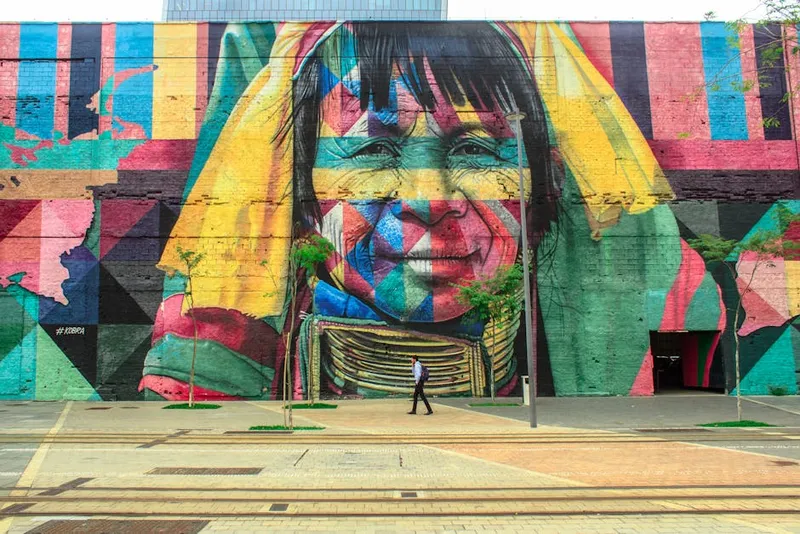
Image courtesy of Pexels
- What: Art serves as a powerful expression of resilience and identity in marginalized communities.
- Where: Urban landscapes, particularly in areas like New York’s East Village and East Side of Los Angeles
- When: 20th century onwards
- How: Through vibrant murals and street art that challenge societal norms and reclaim narratives
- Why: It highlights the ongoing struggles for visibility and acceptance within society.
Whispers of Color from Forgotten Artists
In the heart of urban landscapes, where vibrant murals bloom on crumbling walls, the 21st century beckons a resurgence of artistic voices long silenced by the shadows of unspoken taboos. The air thrums with the pulse of creativity, a nectar of resilience spilling forth as communities reclaim their narratives through brush and spray. Each stroke of paint is an audacious defiance; each symbol, a cryptic message battling against the oppressive norms that have shaped their environments. Dive deep into the world of marginalized expression, where art speaks where silence prevails, and discoveries of buried truths unfold with each exploration.
The Cultural Canvas of Resilience and Resistance
From the 20th century onwards, ethnographic studies have illuminated the dazzling yet complex landscape of marginalized artistic communities, revealing how their expressions often serve as counter-narratives to societal norms. The works of street artists like Jean-Michel Basquiat, who emerged from the urban tapestry of New York’s East Village, illustrate this phenomenon. Basquiat's raw imagery and poignant words on canvas reflected the urgent struggles and aspirations of Black and Latino communities, challenging the legitimacy of mainstream narratives—revealing layers of identity, memory, and heritage through vibrant yet fragmented symbols. A surprisingly intricate fact is that these murals and artworks often thrive in places of disrepair, transforming urban decay into triumph. This cultural alchemy, whereby beauty emerges from adversity, captures the very essence of what it means to create art that profoundly questions societal acceptance.
The Resonance of Expression in Contemporary Culture
Its echo remains because this rich artistic tradition fosters a vibrant dialogue about identity, ownership, and visibility in today’s world. As artists draw from a history of oppression and resilience, their works resonate deeply with the ongoing struggles many face in asserting their place within society. The act of creating becomes not just an expression but a ritual of survival, a modern incarnation of shared beliefs and communal strength that transcends generations. In this ongoing dialogue, art continues to redefine the boundaries of acceptability, calling on us to reflect on the complexities of our values and the stories we choose to share.
Did You Know?
In 1981, Jean-Michel Basquiat became the youngest artist to exhibit at the renowned Brooklyn Museum, highlighting the vibrant intersection of art and social commentary.
The murals of the East Side of Los Angeles have long served as historical archives, documenting the rich cultural heritage and struggles of the Chicano community since the 1970s.
Various street art festivals, such as the MURAL Festival in Montreal, celebrate the continued importance of muralism as a means for marginalized voices to share their stories and reclaim public spaces.
Keep Exploring
CurioWire continues to uncover the world’s hidden histories — one curiosity at a time.
Sources & References
- Brooklyn Museum
- Los Angeles County Museum of Art
- American Folklife Center