
🎭 Fragments from the heart of civilization
The Artful Dance of Bones Beneath the Streets of Paris
culturePublished 22 Dec 2025
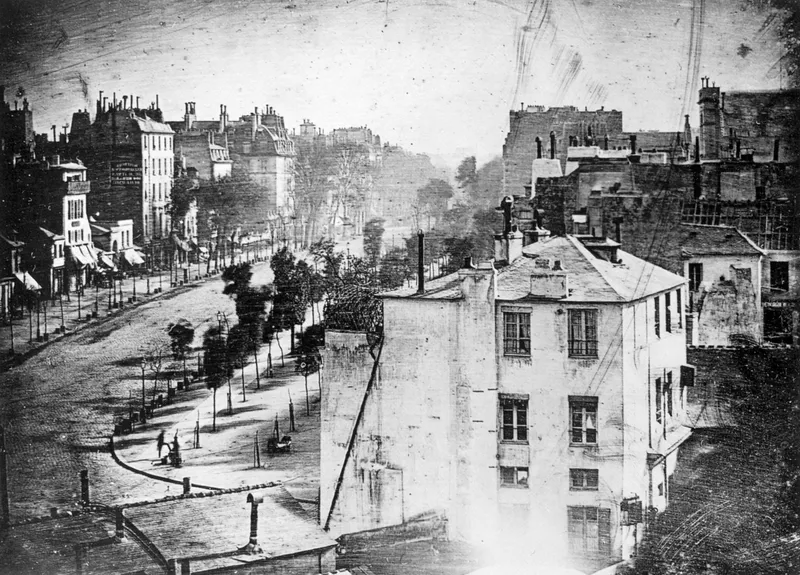
Image by Louis Daguerre — Public domain
- What: The artistic arrangement of bones in the Paris Catacombs reflects a cultural dialogue on mortality.
- Where: Paris, France
- When: 18th century
- How: Bones were meticulously arranged to transform despair into a symbolic reflection of cultural memory.
- Why: It matters as it reveals how communities engage with death through art, shaping their cultural identity.
A Haunting Symphony of Life and Death
Imagine descending through the cobblestone streets of Paris into the eternal embrace of its catacombs, where dim light flickers against walls adorned with the remains of over six million souls. In the 18th century, amidst the city’s rapid urbanization and the chilling specter of epidemics, the arrangement of bones took on an artistic form, transforming the quiet despair of mortality into a haunting dialogue with life itself. Each fragment whispers tales of those once alive, waiting for us to listen.
A Cultural Reflection on Mortuary Art
Within the labyrinthine tunnels of the Parisian catacombs, an unsettling artistry emerges, rooted in the burial practices of a society grappling with its own mortality. Archaeological studies reveal that skulls and femurs are meticulously arranged, creating not just an ossuary but a symbolic reflection of cultural memory and a ritualistic confrontation with death. As fear of epidemics loomed and graves overflowed into the streets, the catacombs became both a resting place and a canvas of human legacy—a repository of urban fears. This phenomenon emphasizes how, through mortuary archaeology, communities engage with their anxieties, transforming the inevitability of death into an artistic expression that transcends time. The mesmerizing interplay of bone and art, eliciting deep emotional resonance, serves as a poignant reminder of our shared human experience.
Its Echo Remains in Modern Times
The traditions encapsulated in the catacombs still resonate, offering contemporary society a lens through which to view our relationship with death and memory. Its echo persists because the dialogue between art and mortality continues to shape our cultural identity, inspiring artists and historians alike to explore themes of loss and remembrance. Today, the remnants of these practices challenge us to contemplate how we honor those who have come before. The artistic whispers of the catacombs invite us to engage with our heritage, even as we navigate the complexities of urban life and an ever-present fear of the unknown.
Did You Know?
The Paris Catacombs originally served as stone quarries, with the famous bones being transferred there in the late 18th century due to overflowing cemeteries.
The intricate arrangements of the bones were not arbitrary; they were created to inspire contemplation on mortality, blending macabre artistry with profound cultural symbolism.
Visitors to the catacombs can observe sections like the “Port-Mahon” gallery, where skulls create a chilling but beautiful archway, reflecting artistic intent amidst human remains.
Keep Exploring
CurioWire continues to uncover the world’s hidden histories — one curiosity at a time.
Sources & References
- Paris Museum of Catacombs
- National Institute of Cultural Heritage
- Journal of Mortuary Archaeology