
🛍️ Artifacts of human ingenuity
The Safety Pin That Became a Symbol of Pride
productsPublished 22 Dec 2025
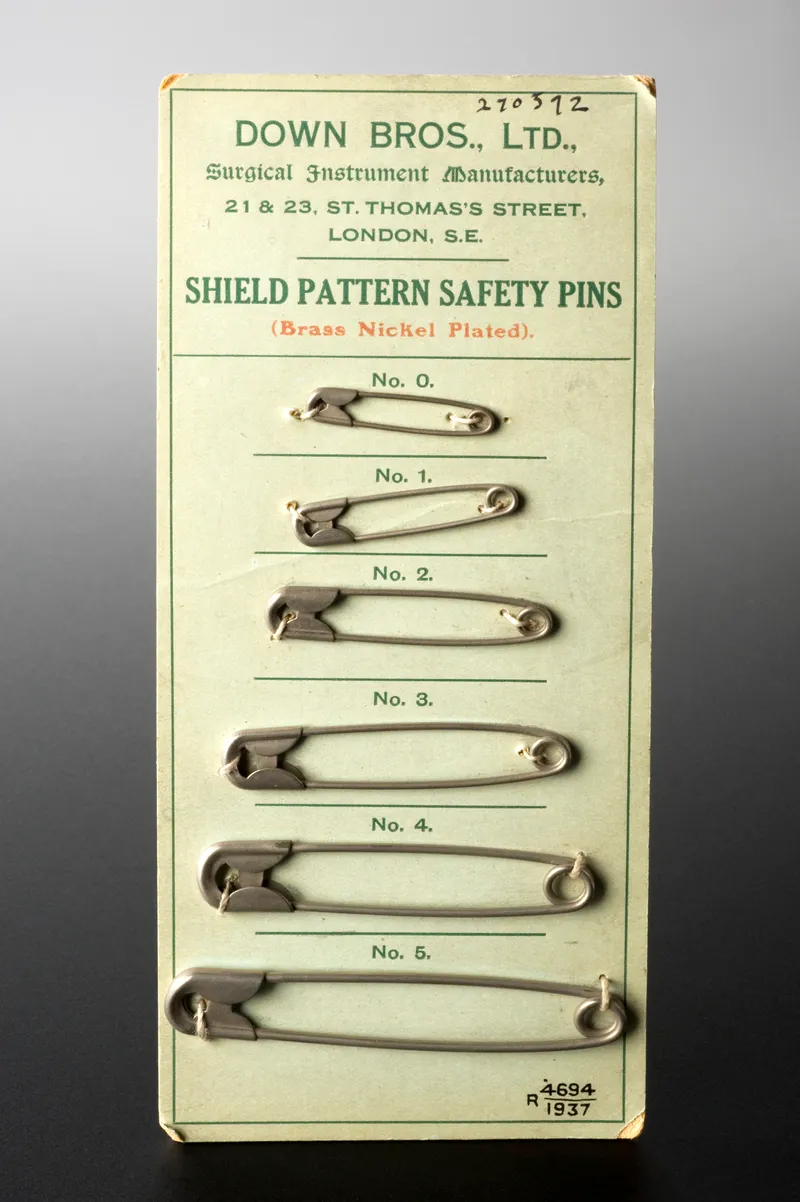
Image by Unknown author — CC BY 4.0
- What: The safety pin has evolved from a simple fastening tool into a powerful symbol of pride and solidarity within the LGBTQ+ community.
- Where: Global Pride events
- When: 1970s to present
- How: Through its adoption by LGBTQ+ activists during Pride marches
- Why: It represents a collective promise of acceptance and connection among marginalized communities.
Everyday Object with Extraordinary Impact
Imagine a simple safety pin, its metallic finish gleaming in the sunlight, usually seen as a tool meant for fastening fabric. Yet, today, this very object carries a weight far beyond its original intent. In recent years, safety pins have emerged as an emblem of solidarity and resistance within the LGBTQ+ community. During Pride events around the globe, countless individuals wear them as badges of honor—this unassuming item has transformed into a statement of identity and resilience. Shockingly, it has been estimated that over three million safety pins are used annually in LGBTQ+ pride celebrations alone, highlighting their profound modern influence. But how did something so simple become a symbol charged with meaning?
The Unexpected Origins of the Symbol
The safety pin, patented in 1849 by inventor Walter Hunt in New York, was originally created to secure fabric. Its effortless design—a bent metal rod held in place by a spring—revealed a novel solution to an everyday problem. This simple device was not without its challenges. In fact, Hunt faced considerable difficulty in perfecting the mechanism, leading to several prototypes before successfully patenting it as U.S. Patent No. 6,282 in 1850. Yet, the narrative of the safety pin would take an astonishing twist nearly 150 years later, as LGBTQ+ activists began adopting it as a symbol of pride during the vibrant and politically charged Pride marches of the 1970s and 1980s. From a mundane accessory to a powerful tool of expression, the transition reflects a deep-seated need for societal acknowledgment and visibility.
A Simple Pin Carrying a Deeper Message
The safety pin’s role in contemporary culture is rooted in a broader conversation about identity and acceptance. Its presence at pride celebrations serves not only as personal expression but also as a collective promise of solidarity among marginalized communities. Activists have shared robust stories, capturing how this common object connects them to a larger movement, reminding them of their heritage and the ongoing fight for equality. The safety pin symbolizes connection, resilience, and unity—an essential reminder that even the simplest objects can bear the heaviest messages. As the world continues to evolve, the safety pin remains steadfastly attached to a legacy of advocacy, a poignant reminder that within the mundane can lie the profound.
Did You Know?
Safety pins have been used as symbols of solidarity during various movements beyond the LGBTQ+ community, including anti-racism protests and refugee support initiatives.
In the 1980s, the anti-apartheid movement in South Africa also adopted safety pins to signify unity in the fight against oppression.
The safety pin's modern symbolism inspired a viral movement in 2016, with people around the globe using it to show solidarity with marginalized groups during times of political uncertainty.
Keep Exploring
CurioWire continues to uncover the world’s hidden histories — one curiosity at a time.
Sources & References
- Smithsonian Institution
- American LGBTQ+ Archives
- Journal of Cultural Studies
As an Amazon Associate, CurioWire earns from qualifying purchases.