
⚙️ Traces from the dawn of innovation
The Digital Illusions Shattering Our Trust in Media
technologyPublished 05 Jan 2026
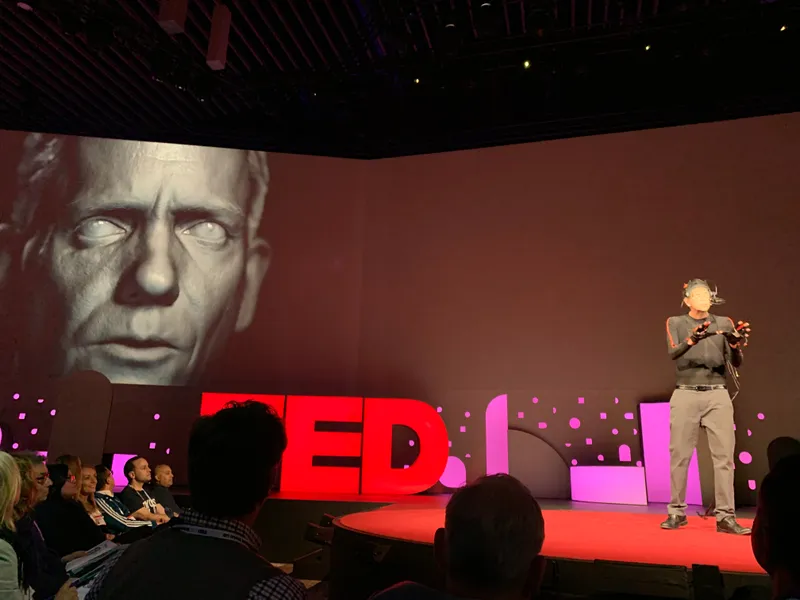
Image by Steve Jurvetson — CC BY 2.0
- What: Deepfake technology creates realistic fabrications that challenge our understanding of truth in media.
- Where: Global
- When: Recent years
- How: By using sophisticated algorithms to superimpose one person's face onto another's video.
- Why: It raises profound ethical questions and erodes public trust in digital media.
When Fake Speeches Blur Reality
Imagine watching a powerful video of a famous leader delivering an impassioned plea, only to later discover it was entirely fabricated—but shockingly realistic—through deepfake technology. In recent years, the emergence of deepfakes has raised profound ethical questions about what is real and what is manipulated, further complicating public trust in digital media. A 2023 report from the Digital Media Literacy Index reveals that nearly 70% of respondents expressed concerns over being unable to discern genuine media from counterfeit fabrications. How did we arrive at this point?
The Astonishing Rise of Deepfake Technology
Deepfake technology, which allows users to superimpose one person's face onto another's video using sophisticated algorithms, has rapidly become a global phenomenon. Initially hailed as an innovative tool for filmmakers and content creators, this technology has morphed into a double-edged sword. Informal studies indicate that deepfake videos are often indistinguishable from reality, raising alarms in media ethics circles. The use of these tools has breached significant ethical boundaries; high-profile cases have surfaced where fake videos misrepresented politicians, celebrities, and even ordinary individuals, eroding trust in the information we consume. This troubling trend has heightened anxieties around political influence and social manipulation, as the line between authenticity and deception crumbles. Researchers continue to debate its implications on our collective understanding of truth, prompting questions: What happens to a society when its leaders can be impersonated, their words forged with chilling precision?
The Ongoing Battle for Media Trust
The ramifications of deepfake technology extend beyond sensational videos; they penetrate the very fabric of our information ecosystem. As confidence in digital media wavers, professionals in journalism and ethics are called to navigate this treacherous terrain. The Digital Media Literacy Index reflects a contemporary struggle—those expecting reliable information are increasingly aware of the purple haze surrounding what is verified. A significant gap persists between technological advancement and ethical responsibility, compelling society to grapple with these evolving challenges. How do we reestablish trust in an age where every frame could mask deceit? These questions linger, echoing in a world that desperately seeks clarity as it wades through a morass of digital illusions.
Did You Know?
Deepfakes became popular in late 2017 after a Reddit user released the first well-known deepfake video, which showed celebrity faces swapped onto unauthorized adult film footage.
The Digital Media Literacy Index revealed that in 2023, nearly 68% of participants were unsure whether videos shared on social media were authentic.
Research indicates deepfake technology could have significant implications for various industries, including entertainment, advertising, and politics, continuously shaping public perception.
Keep Exploring
CurioWire continues to uncover the world’s hidden histories — one curiosity at a time.
Sources & References
- Digital Media Literacy Index
- Journal of Media Ethics
- Institute of Digital Media Research