
⚙️ Traces from the dawn of innovation
Crowdsourcing Platforms: Collaboration That Risks Ownership Theft
technologyPublished 12 Jan 2026
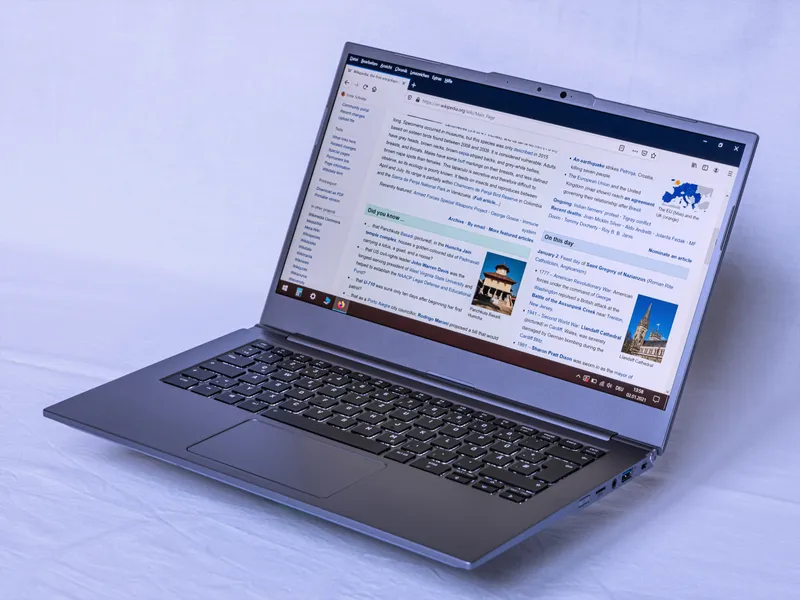
Image by A.Savin — FAL
- What: The rise of crowdsourcing platforms has blurred ownership lines, leading to potential intellectual property theft.
- Where: Online crowdsourcing platforms
- When: Contemporary digital age
- How: Through collaborative sharing without clear ownership agreements
- Why: It highlights the urgent need for protective measures in creative communities.
The Hidden Danger of Sharing Ideas Online
Imagine a world where your creative ideas could be claimed by strangers, as if they were never yours to begin with. Reports indicate that the rise of crowdsourcing platforms has inadvertently blurred the lines of ownership, leading to numerous copyright infringement cases. This hidden tension between collaboration and ownership raises a troubling question: How can we share our creativity without losing it altogether?
The Unseen Consequences of Collaborative Platforms
In an age defined by connectivity and shared knowledge, crowdsourcing platforms promised to democratize creativity and innovation. However, many contributors often fail to grasp the full implications of sharing their intellectual property. They enter collaborative projects with goodwill, motivated by a desire to contribute, yet overlook the potential ramifications of their openness. This innocent oversight can lead to unintentional intellectual property theft, where the very ideas that participants hoped to share freely become fodder for exploitation.
It's easy to romanticize the collaborative spirit of platforms like Wikipedia or open-source software communities; however, the darker undercurrents reveal a different narrative—one where shared ideas lead to blurred rights and ownership disputes. Independent artists and writers, who expect their contributions to remain protected within a community, often find themselves scrambling when their work is commercialized without consent. Such cases expose a critical gap between the ideal of communal sharing and the stark realities of legal protections—or lack thereof—surrounding shared content.
Why the Issue of Ownership Matters Now
The implications of intellectual property mismanagement extend far beyond individual contributors. As the digital landscape continues to evolve, these cases serve as red flags for platforms that thrive on collaborative input. The surge in copyright infringement claims—highlighted by various findings—calls for a crucial re-examination of how we approach shared creativity. Evolving ecosystems like art markets and tech developments risk being undermined by miscommunication about ownership rights, prompting an urgent need for clearer guidelines and protective measures. The challenge lies in balancing open collaboration with robust intellectual property safeguards, igniting a necessary dialogue on the future of shared ideas. What are we willing to risk in the name of creativity?
Did You Know?
WIPO reported that copyright infringement cases have surged by over 30% in the past three years as digital sharing increases.
Approximately 70% of contributors on crowdsourcing platforms are unaware of their potential loss of ownership when sharing ideas publicly.
In 2019, an artist lost the rights to their artwork when it was repurposed without permission on a popular crowdsourcing site, underscoring the fragile boundary between sharing and ownership.
Keep Exploring
CurioWire continues to uncover the world’s hidden histories — one curiosity at a time.
Sources & References
- World Intellectual Property Organization (WIPO)
- Creative Commons
- National Endowment for the Arts