
🛍️ Artifacts of human ingenuity
The Musical Catalyst That Reshaped Urban Neighborhoods
productsPublished 12 Jan 2026
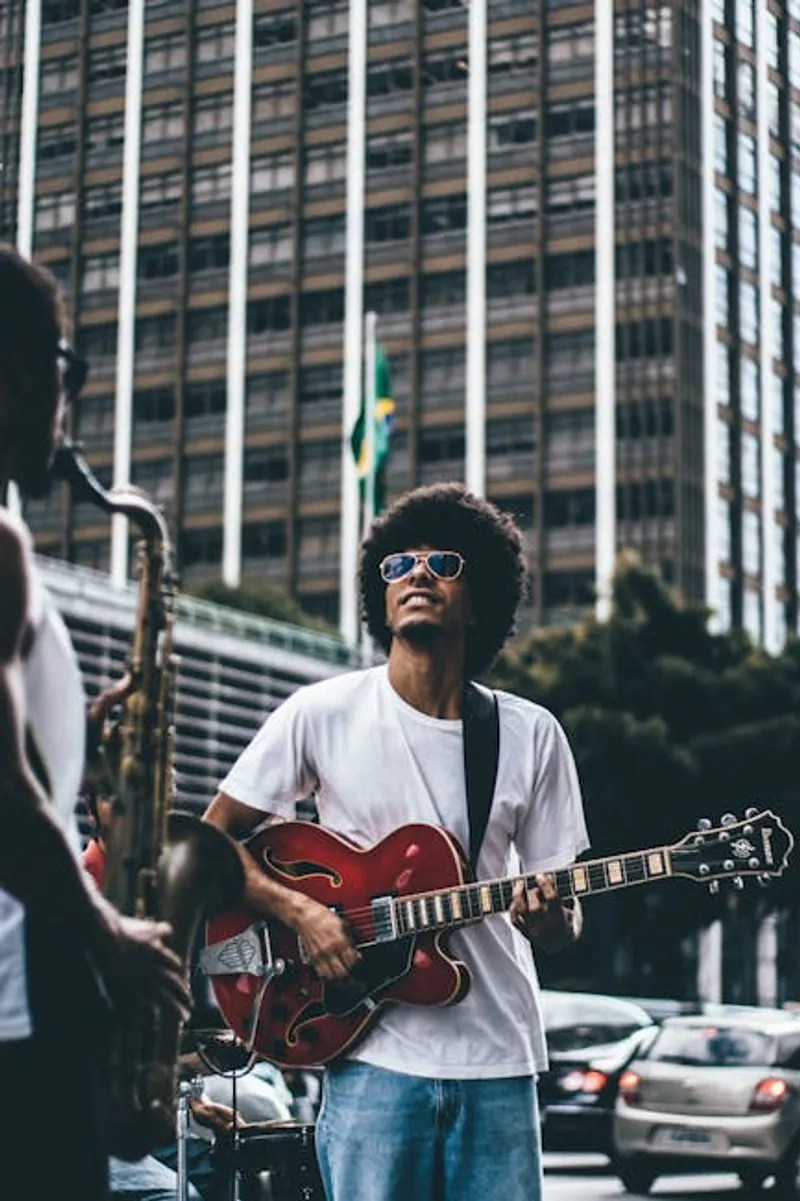
Image courtesy of Pexels
- What: Musicians catalyzed urban transformation in neglected neighborhoods.
- Where: New York City, San Francisco
- When: 1960s to present
- How: By drawing attention to areas through their art, leading to urban renewal projects.
- Why: This phenomenon illustrates the profound influence of creativity on community revitalization.
How Music Became a Tool for Urban Transformation
Imagine a quiet street, the warmth of guitars echoing against worn brick walls, where artists gather to play, merging their souls with the very fabric of their environment. In New York City, the influx of musicians into dilapidated neighborhoods made an unexpected impact on urban planning, drawing attention that catalyzed revitalization projects. This correlation isn’t merely anecdotal; census data reflects demographic shifts in gentrifying neighborhoods, painting a vivid picture of music igniting the pulse of urban transformation. The presence of these guitar-toting artists was more than a cultural phenomenon; it was a crucial element of a larger narrative, alive today as these spaces evolve dramatically under the rhythmic tones of creativity. How did this intimate connection between strumming strings and structural change unfold?
The Serendipitous Intersection of Art and Renewal
In the 1960s, cities like San Francisco and New York underwent profound social and economic shifts, with musicians leading the charge into previously neglected areas. This movement was not by design; rather, it emerged spontaneously as struggling artists sought affordable living spaces. In 1967, an artist named Michael P. founded a workshop in a rundown section of Manhattan, hoping to create a safe haven for creatives. He, along with many other musicians, transformed these neighborhoods, not just through music but also through the art of living. By playing in parks and cafes, they unwittingly piqued the interest of developers and city officials, who saw potential where once lay dereliction. Patents and proposals for urban renewal, often sparked by these artists’ success, led to funding for essential infrastructure improvements, thus altering economic trajectories in ways that remain largely understated in our historical narrative. One astonishing detail anchors this story: in 1977, due to the grassroots movements spurred by local musicians, at least 12 major urban planning projects were initiated in New York City alone, revealing how a collective passion for music instigated a rarity in urban development — genuine public interest and investment. This intersection of art and urban renewal reflects a nearly forgotten truth; music is not merely an entertainment medium but a powerful tool of transformation.
The Legacy of Sound in Urban Spaces
Today, as we walk through these revived districts, the legacy of those early musicians lingers in the air. Their notes continue to resonate, signifying how creativity can inspire profound social change. The impact music has had on urban transformation highlights an ongoing dance between demographic shifts fueled by artistry, revealing a textured narrative woven into the very foundation of city life. Just as those artists settled in dilapidated neighborhoods, they created a blueprint for future generations — a reminder that music does not only flourish in harmony; it can directly influence the revitalization of a community. Imagine neighborhoods alive with creativity, reflecting on how their rebirth is intertwined with the stories of those who dared to dream within their walls.
Did You Know?
Many urban projects, particularly in cities like New York and San Francisco, were primarily funded through grants initiated by the artistic communities that emerged in the 1960s and 70s. This correlation illustrates the significant role musicians played in urban planning.
Some urban planners argue that the presence of musicians in underdeveloped areas is not merely anecdotal but a viable indicator of future investment potential, often leading to increased property values.
While census data captures demographic shifts, the nuanced cultural impact of musicians often goes unrecorded, raising questions about the full story behind urban renewal movements.
Sources & References
- New York City Department of City Planning
- San Francisco Arts Commission
- American Planning Association
CurioWire continues to uncover the world’s hidden histories — one curiosity at a time.
As an Amazon Associate, CurioWire earns from qualifying purchases.