
🌍 Records from the halls of power
The Profit-Driven Crisis Behind The Rise of Antibiotic Resistance
worldPublished 12 Jan 2026
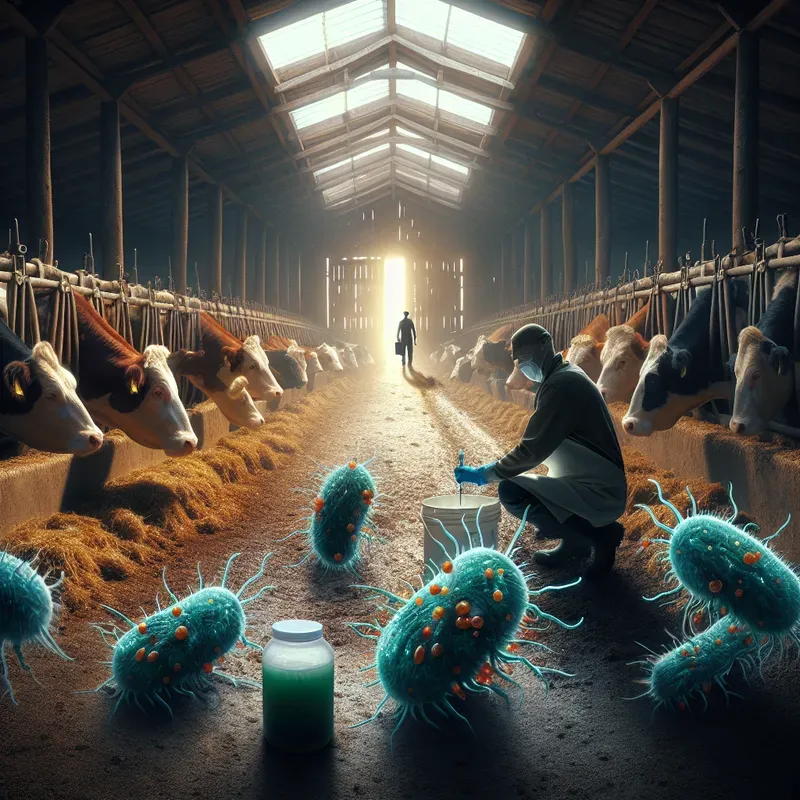
Illustration by DALL·E 3
- What: The overuse of antibiotics in livestock is creating alarming public health risks.
- Where: Globally
- When: Contemporary times
- How: Antibiotics are administered in livestock not only for treatment but as a preventive measure to maximize profits.
- Why: This practice threatens the effectiveness of antibiotics and public health, necessitating a reevaluation of agricultural norms.
The Unseen Danger Brewing in Agriculture
Across the globe, a quiet storm brews at the intersection of health and profit—a storm where antibiotics, once the safeguard of modern medicine, are overused in livestock to amplify production. Global surveillance data on antibiotic resistance patterns in livestock unveils a startling truth: resistance flourishes where profit overshadows health. How did agricultural practices, intended to nourish us, become a breeding ground for previously treatable infections that now threaten public health?
The Alarming Impact of Antibiotic Overuse
In recent years, a paradigm shift has emerged within the field of veterinary microbiology, where profit-driven motives have drastically reshaped antibiotic usage in livestock. Data collected from numerous regions reveals systemic vulnerabilities in animal farming—farmers often administer antibiotics not just for sick animals, but as a preventive measure to maximize profits. This widespread overuse has led to alarming patterns of antibiotic resistance, rendering some infections impervious to treatment.
Resistance to commonly used antibiotics is escalating globally, with potential repercussions that could tear through public health like wildfire. Researchers have increasingly linked this normalization of deviance in agricultural practices to long-term public health consequences, overshadowing the short-lived economic gains for farmers. Strikingly, studies suggest that approximately 70% of antibiotics sold in the United States are given to livestock, often without adequate oversight. This kind of usage raises urgent questions: Are we sacrificing future health for immediate financial returns? The interconnectedness of livestock health, human health, and environmental welfare beckons a reevaluation of agricultural norms.
The Ripple Effects on Global Health
As we advance into a world of antibiotic-resistant infections, the urgency for systemic change grows ever clearer. Current health crises, where commonplace infections become untreatable, echo warnings from global health organizations, which continue to sound the alarm on this practice. The implications stretch far beyond animal feeds—they resonate across countries, cultures, and communities. Without immediate action and intervention, the fabric of modern medicine could fray, leaving us vulnerable to diseases we thought were under control. What will be the cost of ignoring these red flags?
Did You Know?
Every year, antibiotic-resistant infections lead to over 700,000 deaths in the United States alone, a figure that could rise to 10 million annually by 2050 if current trends continue.
Up to 50% of antibiotics sold in some regions are used in livestock raised for food, significantly outpacing their use in human medicine.
The overuse of antibiotics in animal agriculture is linked to approximately 30% of all antibiotic-resistant infections in humans, indicating a direct interaction between farming practices and public health outcomes.
Keep Exploring
CurioWire continues to uncover the world’s hidden histories — one curiosity at a time.
Sources & References
- World Health Organization
- Centers for Disease Control and Prevention
- American Veterinary Medical Association