
🌍 Records from the halls of power
The Turkish Village Where Identity Transcends Political Borders
worldPublished 25 Nov 2025
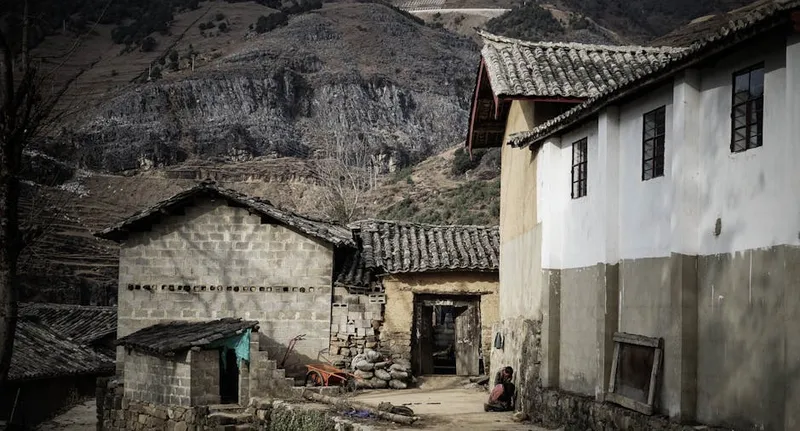
Image courtesy of Pexels
- What: Kelekçi, a village in Turkey, contested its designation as Greek, asserting a Turkish cultural identity despite political borders.
- Where: Kelekçi, Turkey
- When: 1923 onwards
- How: Through legal battles and cultural assertions, villagers challenged the imposed identity based on the Treaty of Lausanne.
- Why: The case reflects ongoing global struggles over identity and belonging in an increasingly multicultural world.
A Cultural Conundrum in a Shifting World
In 1923, amidst the fallout of World War I and the tumult of shifting national borders, the tiny village of Kelekçi, nestled in Turkey, found itself at the center of an extraordinary legal and cultural battle. Officially declared a part of Greece, the villagers—who identified as Turkish—fiercely argued in court for their right to remain Turkish by culture, not just by geography. This clash of identity illuminates the complexities of loyalty and citizenship in a world defined by political boundaries yet deeply intertwined through shared stories and cultural heritage.
Unveiling the Identity Battle of Kelekçi
The saga of Kelekçi began when the Treaty of Lausanne in 1923 redefined nation-states across Southeast Europe, following the chaos of Ottoman decline and the establishment of the modern Turkish Republic. The treaty included provisions that led to the displacement and reallocation of various ethnic groups, resulting in Kelekçi’s designation as Greek. This edict overlooked the cultural connections the residents maintained to their Turkish roots. The villagers were not merely passive observers in this upheaval; they actively resisted the imposition of a foreign identity. Records suggest that over the next several years, Kelekçi's citizens engaged in multiple legal proceedings to assert their identity. They presented testimonies and evidence of their Turkish customs, traditions, and language, challenging the label of "Greek" assigned to them. This courtroom drama captured not only the nuances of ethnic identity but also the emotional weight of belonging. Their struggle came to symbolize a broader question: Can identity be dictated solely by borders and political decisions, or does it spring from a more profound place within cultural attachments, histories, and communal memories? The villagers’ insistence on their cultural identity continued to resonate well into the late 1940s, revealing a stark contrast between political declarations and the personal identities rooted in shared experiences.
Echoes of Kelekçi in Today’s Nationalism
The significance of this matter today lies in the Kelekçi dispute, which serves as a poignant reminder of contemporary conflicts over identity that transcend national borders. As global migration increases and multicultural societies emerge, the questions raised by the villagers resonate with renewed urgency. According to a 2020 report by the UN, over 280 million international migrants grapple with similar questions about their cultural identities versus national affiliations. This phenomenon isn't limited to the Kelekçi case; around the world, communities are redefining nationalism to embrace diverse, pluralistic identities. The ongoing rise of social movements advocating for minority rights highlights the persistent struggles individuals face in asserting their cultural identities against political constructs. In a world where geography often delineates citizenship, Kelekçi’s legacy invites us to consider that belonging may be forged through shared narratives, experiences, and cultures—not merely through maps and legal documents. This profound reflection challenges us to rethink the very concept of nationalism itself.
Did You Know?
In the aftermath of World War I, the Treaty of Lausanne (1923) redefined boundaries in Southeast Europe, drastically altering identities. Kelekçi's legal struggles lasted nearly two decades, highlighting the complexities of cultural identity amidst political borders. Many similar cases today exist across Europe and America, where local cultures clash with national laws aiming to define identity.
Keep Exploring
CurioWire continues to uncover the world’s hidden histories — one curiosity at a time.
Sources & References
- International Organization for Migration — Migration and Identity
- Hellenic Ministry of Foreign Affairs — Historical Overview of Kelekçi
- United Nations — Global Migration Report 2020