
🫀 Secrets of the human vessel
Patients Laughing During Procedures Reveal Hidden Emotional Depths
healthPublished 25 Dec 2025
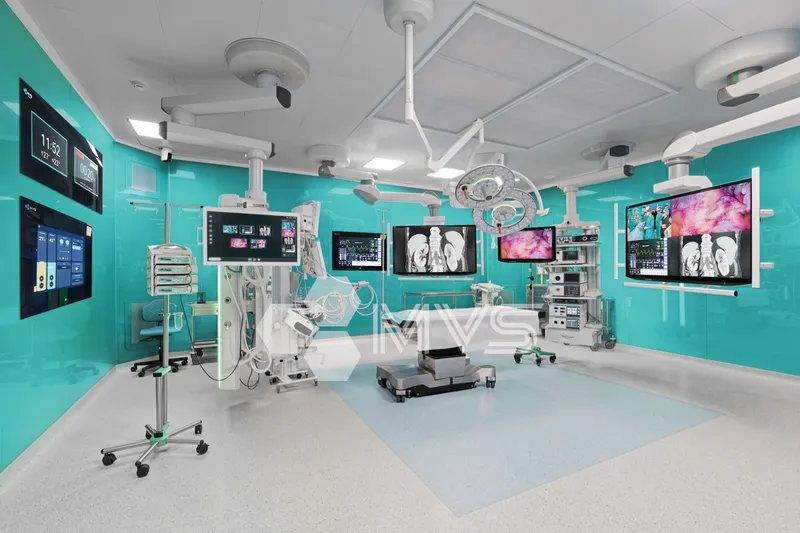
Image by ООО «Медицинские Системы Визуализации» — CC BY-SA 4.0
- What: Patients unexpectedly laugh during invasive medical procedures, revealing complex emotional responses.
- Where: Operating rooms
- When: Contemporary medical practice
- How: Laughter emerges as a spontaneous release of tension amidst anxiety.
- Why: This phenomenon challenges traditional views on emotional health and coping mechanisms in clinical settings.
The Unlikely Laughter That Stuns Medical Staff
In the sterile, often tense environment of an operating room, an unexpected sound can shift the atmosphere entirely: laughter. During invasive medical procedures, some patients have been known to break into uncontrollable laughter, prompting both astonishment and curiosity among the medical teams involved. Documentation from hospitals exploring these unusual emotional reactions has revealed that they may be more common than previously thought, potentially transforming our understanding of human psychology in clinical settings. What does it mean when laughter manifests in moments of duress?
Discovering the Intersection of Fear and Laughter
The phenomenon of laughter during medical procedures poses a fascinating question in the field of psychoneuroimmunology, where the connections between psychological states and physiological responses are studied. Case studies have documented instances where patients, amidst their anxiety and vulnerability, unexpectedly began to laugh. This laughter can seem paradoxical, a spontaneous release of tension that contradicts the gravity of the medical situation. Researchers have observed that these emotional reactions can occur in various clinical contexts—be it a routine procedure or significant surgery—pointing to the complex interplay of fear and relief. This blurring of emotional lines raises questions about our understanding of the human body's responses under stress. Could it be that laughter serves not just as an emotional release, but as a coping mechanism that enhances immune response and promotes healing? The answers remain elusive, yet the implications are profound, challenging established medical frameworks surrounding patient care and emotional well-being.
Unmasking the Depth of Human Emotion
This complex interaction between laughter and emotional response is particularly relevant today as we explore the multidimensional aspects of patient care. Modern studies continue to delve into how laughter can alleviate anxiety, foster resilience, and even aid in recovery. The understanding that emotional responses may vary widely under duress highlights the need for a nuanced approach to medical treatment, one that embraces the unpredictable nature of human psychology. How do we account for these anomalous reactions, and what do they reveal about our adaptability? As more evidence emerges, we are tasked with revisiting our assumptions about emotional health in clinical settings—curiously reminding us that, even amidst fear and uncertainty, laughter can light the way.
Did You Know?
Some studies indicate that laughter can stimulate the production of neuropeptides that enhance immune function, suggesting a biological basis for its healing effects.
In one documented case, a patient undergoing a serious surgical procedure started laughing uncontrollably, leading the medical staff to reconsider their understanding of stress responses in vulnerable patients.
Research in psychoneuroimmunology has found that emotional states such as laughter can significantly influence pain perception and recovery times, reshaping the landscape of patient care.
Keep Exploring
CurioWire continues to uncover the world’s hidden histories — one curiosity at a time.
Sources & References
- Journal of Psychoneuroimmunology
- American Psychological Association
- National Institutes of Health