
🫀 Secrets of the human vessel
Light Therapy's Unlikely Influence on Pain Relief and Mood
healthPublished 28 Dec 2025
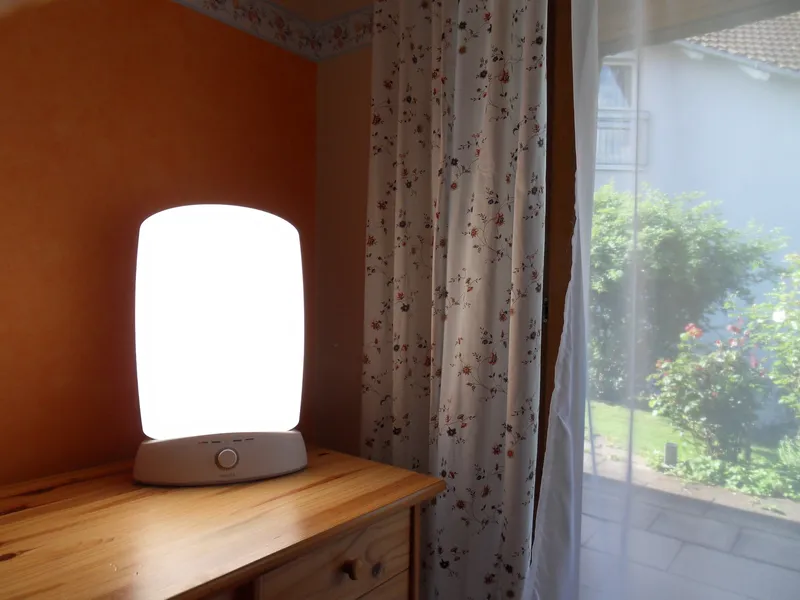
Image by Slllu — Public domain
- What: Patients with myofascial pain syndrome experienced temporary pain relief during seasonal affective disorder treatments.
- Where: Clinical trial settings
- When: During seasonal affective disorder treatment periods
- How: Light therapy may influence neurotransmitters that regulate mood, impacting pain perception.
- Why: This connection prompts a reevaluation of chronic pain management strategies in modern medicine.
Hidden Relief Found in Unexpected Treatments
Imagine finding fleeting comfort from a relentless ache under the glow of artificial sunlight. A surprising twist emerged during clinical trials revealing that patients afflicted with myofascial pain syndrome experienced temporary relief from their chronic pain while undergoing seasonal affective disorder (SAD) treatments. This revelation poses fundamental questions about our understanding of pain management and the intricate dance between mood and physical sensation.
Revealing a Surprising Connection Between Mood and Pain
In the realm of psychoneuroimmunology, a fascinating exploration unfolds as researchers investigate the effects of light therapy on mood and pain perception. Clinical trials highlight a peculiar phenomenon: some patients experiencing myofascial pain syndrome noticed significant yet brief alleviation of their symptoms during SAD treatments. These sessions, designed primarily to combat the winter blues, challenge conventional wisdom about pain management, illuminating the unexplored connections between emotional states and physical health. While multiple hypotheses swirl around this interaction, the exact mechanisms remain a subject of heated debate within the scientific community. Some assert that the illumination provided in light therapy influences neurotransmitters that regulate mood, thereby indirectly soothing pain sensations. Others question whether the relief is a psychological effect—a mere trick of perception rather than a genuine physiological change. Yet, one thing is undeniable: the observations made during these trials unveil the complexity of human experience, revealing how intertwined our mental and physical states truly are.
Why This Breakthrough Matters in Modern Medicine
Today, understanding the relationship between mood and pain perception carries significant implications for psychological and physiological health. As research advances, specialists are reevaluating treatment frameworks, considering the emotional landscape in diagnosing and managing chronic pain. Notably, healthcare providers are increasingly acknowledging the potential of light therapy, evidenced by its application in treating not just SAD but also in broader pain management schedules. This unexpected discovery fosters a broader contemplation around the management of chronic pain conditions—could light therapy be an overlooked avenue of treatment? As we continue to unravel these nuances of human health, we encounter a world rich with complexities, urging us to ponder how lightly we tread on the thin line separating mind and body.
Did You Know?
Chronic pain affects approximately 20% of adults worldwide, creating a widespread health concern that demands innovative treatment approaches.
Myofascial pain syndrome involves pain in the muscles and connective tissues, often requiring a multifaceted approach for effective management.
Light therapy is also utilized for conditions like insomnia and seasonal affective disorder, showcasing its potential versatility beyond mere mood enhancement.
Keep Exploring
CurioWire continues to uncover the world’s hidden histories — one curiosity at a time.
Sources & References
- National Institute of Health
- Journal of Psychoneuroimmunology
- American Pain Society