
🛍️ Artifacts of human ingenuity
The Drones That Transformed Wildlife Conservation Forever
productsPublished 08 Jan 2026
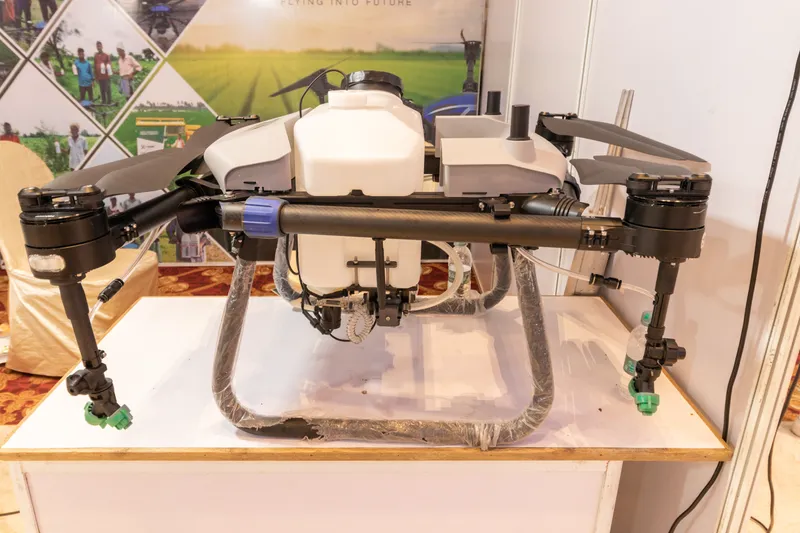
Image by iMahesh — CC BY-SA 4.0
- What: Drones equipped with thermal imaging have revolutionized wildlife conservation by monitoring poaching activities.
- Where: Global protected areas
- When: Since 2014
- How: By utilizing satellite imagery and real-time data to track illegal poaching
- Why: They provide critical insights that inform conservation strategies and empower local communities.
Eyes in the sky watching over wildlife
Imagine soaring above an uncharted wilderness, equipped with a powerful tool capable of monitoring the actions of poachers in real-time. Today, satellite imagery datasets are at the forefront of wildlife conservation, enabling conservationists to oversee protected areas across the globe. This revolutionary technology has initiated profound impacts, with studies indicating that these remote sensing systems have played a pivotal role in reducing poaching activities by as much as 40% in some regions. But what lies beneath the surface of this incredible advancement?
The unexpected origins of conservation technology
The journey of conservation technology began when drones equipped with thermal imaging were initially developed to assist firefighters in combating wildfires. In 2014, it became clear that these airborne devices, designed to “see” through the smoke and chaos of flames, could be adapted for an entirely different purpose: tracking illegal poaching. While specific inventors remain uncelebrated in corporate patents, the collective ingenuity of engineers and environmental advocates converged in laboratories and workshops, specializing in creating drones that would serve both as eyes in the sky and instruments of justice. The startling revelation that emerged was how quickly the technology transformed — within just a few years, it was aiding wildlife conservationists around the world in areas where traditional methods seemed futile.
Why these drones matter in the present
Today, the drones’ unexpected adaptability in conservation efforts serves as a powerful reminder of how technology can evolve to meet urgent needs. Satellite imagery isn’t merely a tool for surveillance; it represents a lifeline for endangered species and their habitats. By employing data-driven insights, conservationists can understand poaching patterns, informing better strategic responses and fostering a symbiotic relationship with nature. The poetic vision of drones providing justice from above captures the commitment of a new generation advocating for wildlife preservation in a world fraught with systemic challenges.
Did You Know?
In 2020, a groundbreaking study estimated that up to 30,000 elephants are poached annually for their ivory, a grim reminder of the crisis facing wildlife conservation efforts.
Recordings from wildlife drones have revealed how animals adapt to human behaviors, such as shifting hunting patterns in response to poaching activities; this unexpected insight reshapes conservation strategies.
Engagement with local communities has amplified the impact of drone technology, as conservationists train residents to monitor their forests, evolving them into guardians of their own ecosystems.
Keep Exploring
CurioWire continues to uncover the world’s hidden histories — one curiosity at a time.
Sources & References
- International Union for Conservation of Nature
- Wildlife Conservation Society
- National Geographic Society
As an Amazon Associate, CurioWire earns from qualifying purchases.