
🧪 Echoes from the lab
Lizards Regrow Their Tails: Nature's Incredible Autotomy
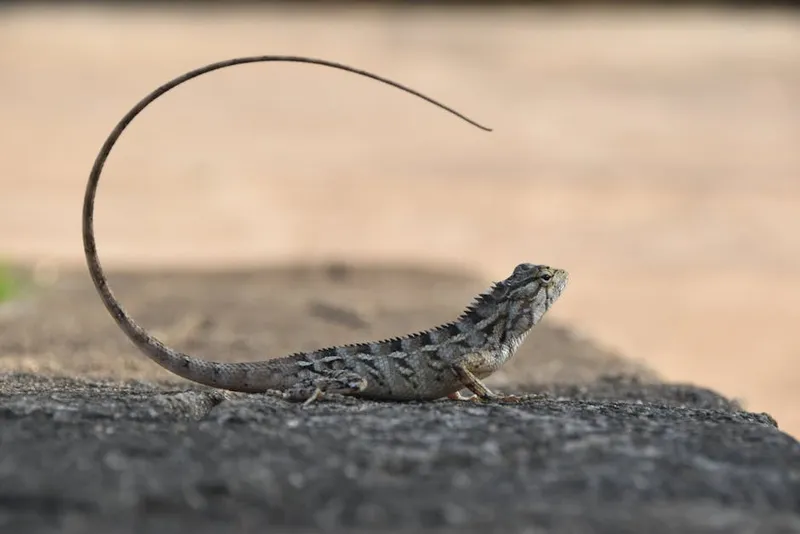
- What: Many lizards have the ability to shed their tails to escape predators and can regrow them using specialized progenitor cells.
- Where: In the wild, where lizards inhabit.
- When: Contemporary times, as this is a current biological phenomenon.
Imagine being chased by a predator and having the ability to shed part of your body to escape. This is not science fiction; it's a reality for many species of lizards.
Known as autotomy, this remarkable ability allows lizards to detach their tails when threatened. But the story doesn’t end there. These reptiles have the astonishing capability to regrow their tails, thanks to specialized stem-like progenitor cells.
When a lizard drops its tail, it not only distracts the predator but also triggers a complex biological process. The progenitor cells rush to the site of the amputation, transforming into the various cell types needed to rebuild the tail.
The regrown tail may not be an exact replica of the original. In many cases, it can be shorter and may lack the vertebrae found in the original tail. However, it serves its purpose well, helping the lizard survive and thrive in the wild.
Research into lizard tail regeneration offers insights into potential medical advancements for humans. Understanding how these creatures harness regenerative biology could lead to breakthroughs in healing injuries or even regenerating lost limbs.
This fascinating natural phenomenon showcases the resilience of life and the endless wonders of evolution. Nature has equipped these lizards with a survival strategy that is both practical and awe-inspiring.
Did You Know?
Some species of lizards can regrow their tails multiple times throughout their lives.