Soham Murders: How Pollen Helped Trace Huntley's Car
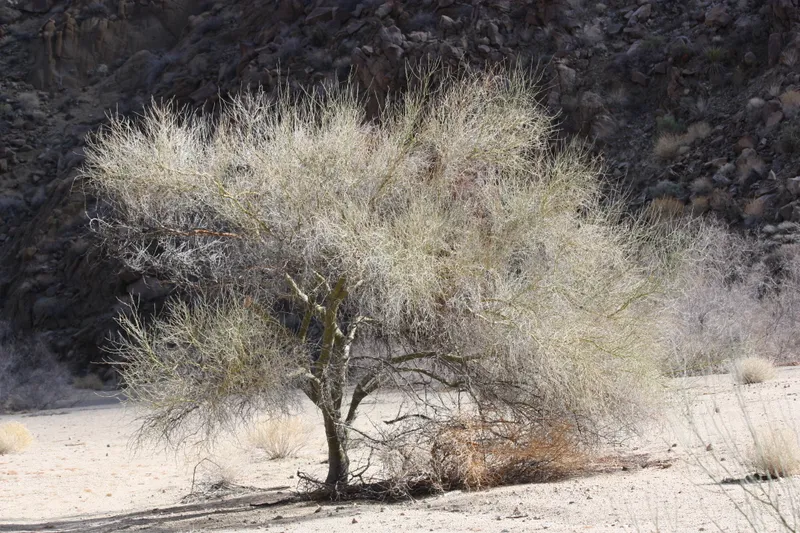
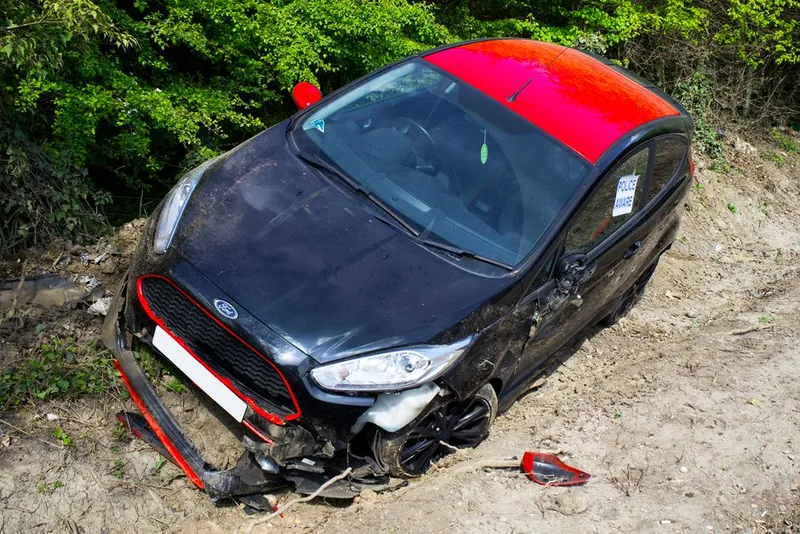
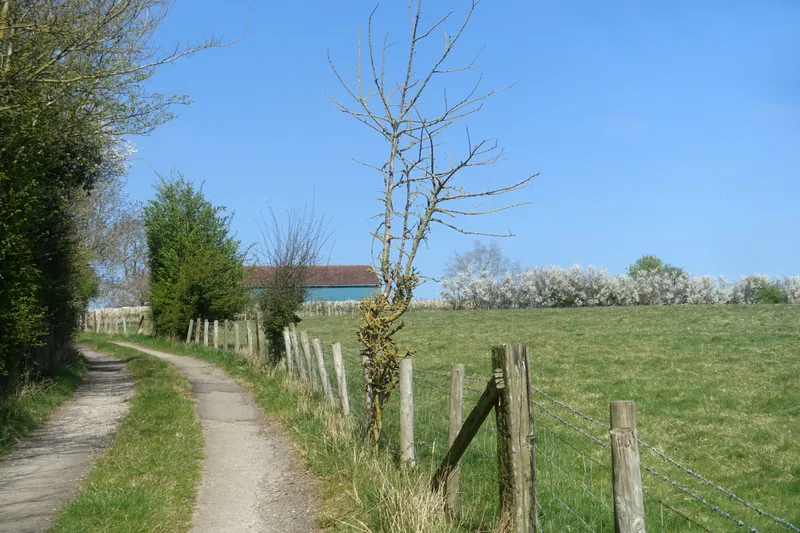
The Soham murders case used forensic pollen and plant traces from Ian Huntley’s car to help link it to the disposal site where Holly Wells and Jessica Chapman were found.
Read more →Explore notes from the casefile — unusual cases, historical crimes and the darker side of human behavior.

The Soham murders case used forensic pollen and plant traces from Ian Huntley’s car to help link it to the disposal site where Holly Wells and Jessica Chapman were found.
Read more →
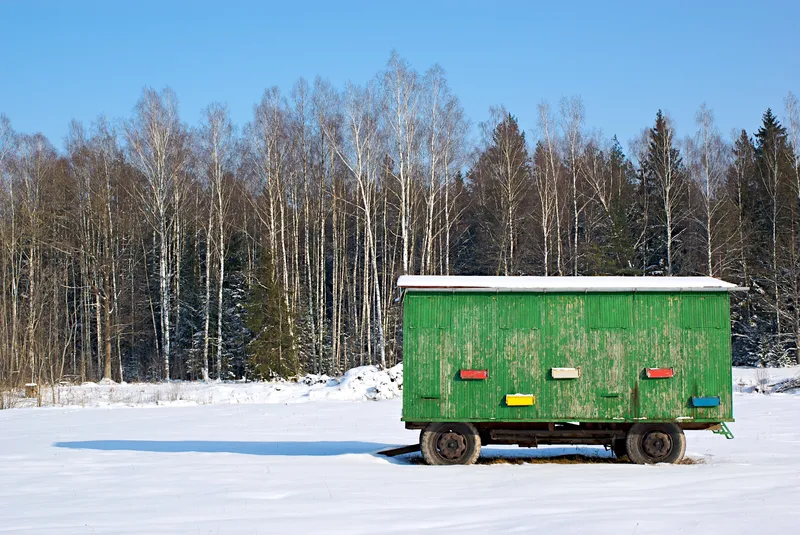
Saudi customs said it intercepted 178,274 Captagon pills hidden inside imported beehives.
Read more →
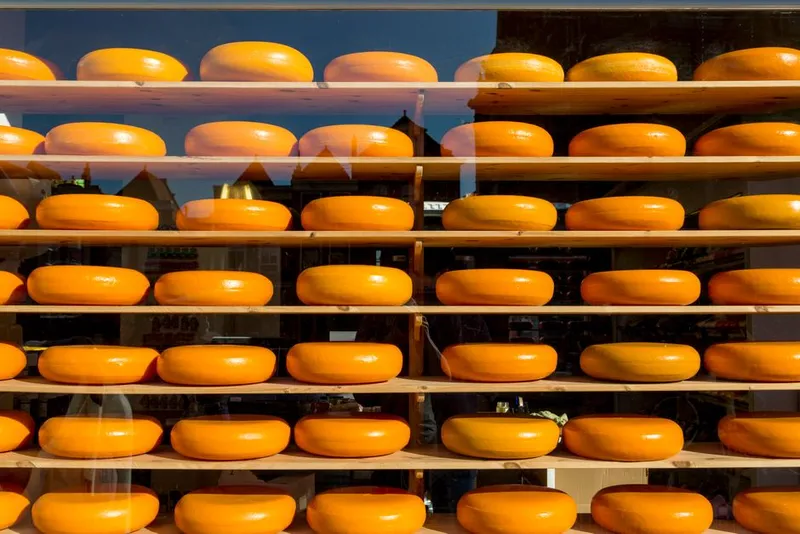
U.S. Customs and Border Protection officers found nearly 18 pounds of alleged cocaine hidden inside four wheels of cheese during a vehicle inspection.
Read more →
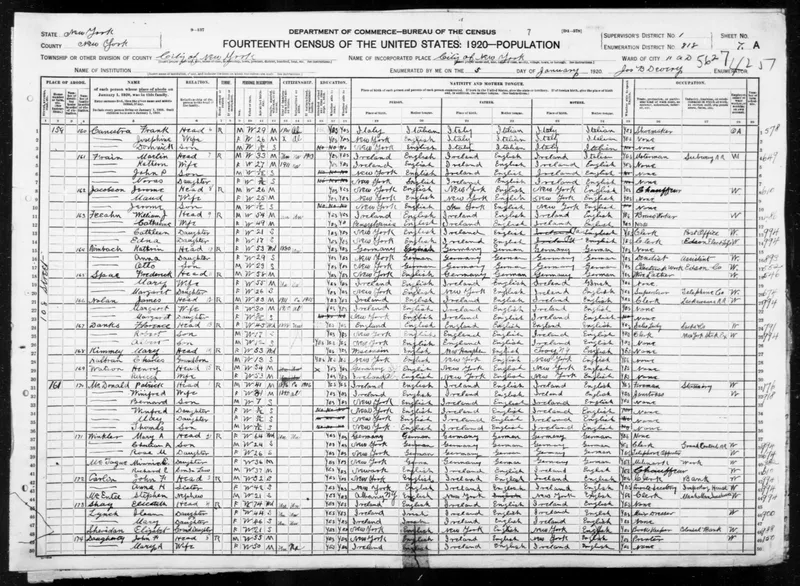
The McDonald’s Monopoly promotion was rigged by Jerome Jacobson, a security insider who stole rare winning game pieces and routed them to accomplices who claimed major prizes.
Read more →
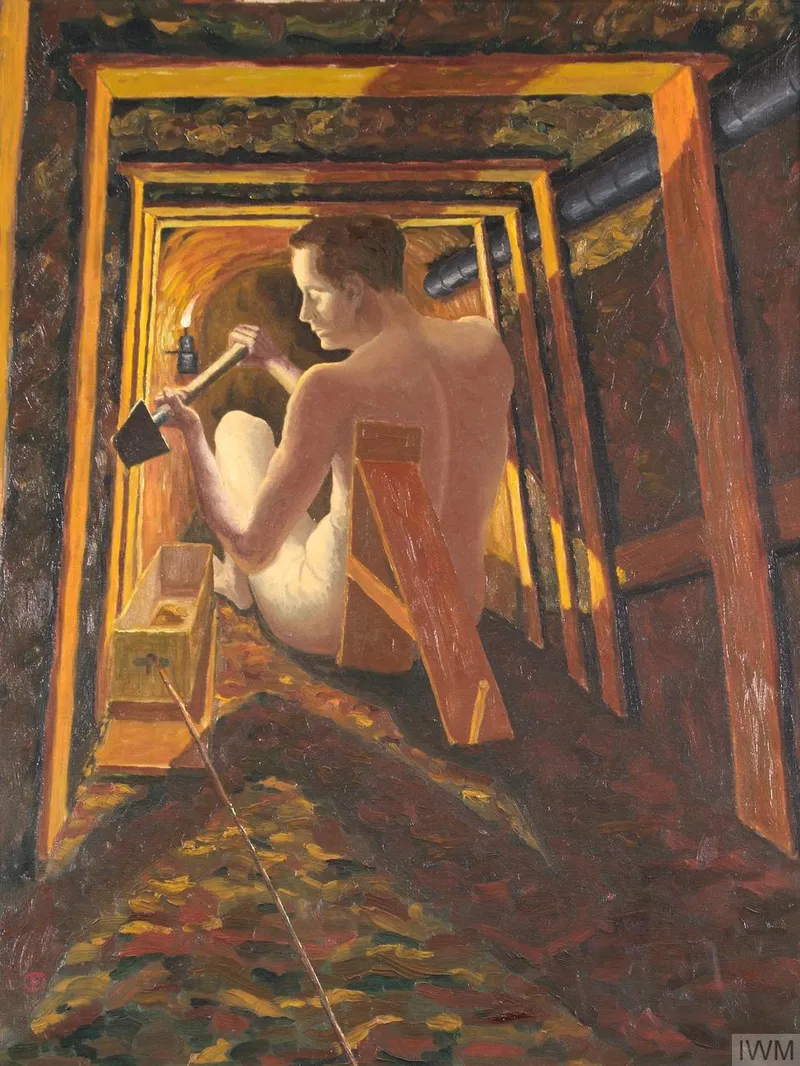
Joaquín “El Chapo” Guzmán escaped from Altiplano prison through a purpose-built underground tunnel built from his shower area to a house outside the prison compound.
Read more →
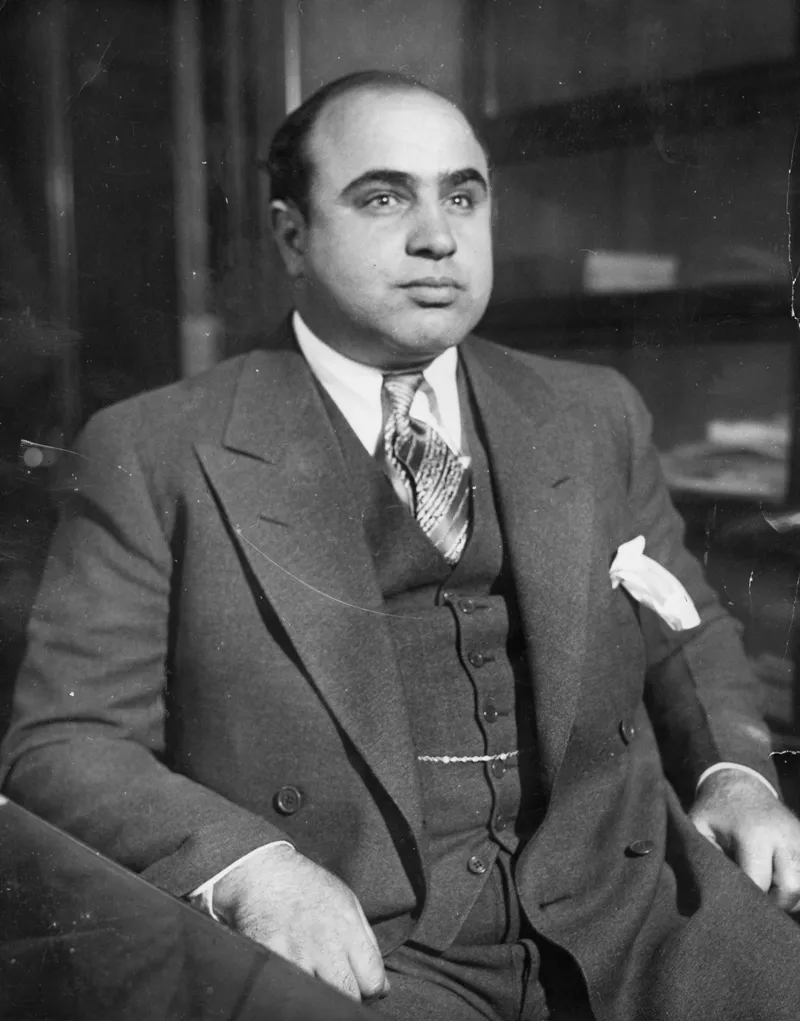
Al Capone was convicted in 1931 for federal income tax evasion, showing that investigators could use financial records and spending patterns to prove illegal income when violent-crime charges were harder to secure.
Read more →
A forged will can be exposed when forensic examiners determine the paper it was printed on was manufactured after the will’s stated date.
Read more →
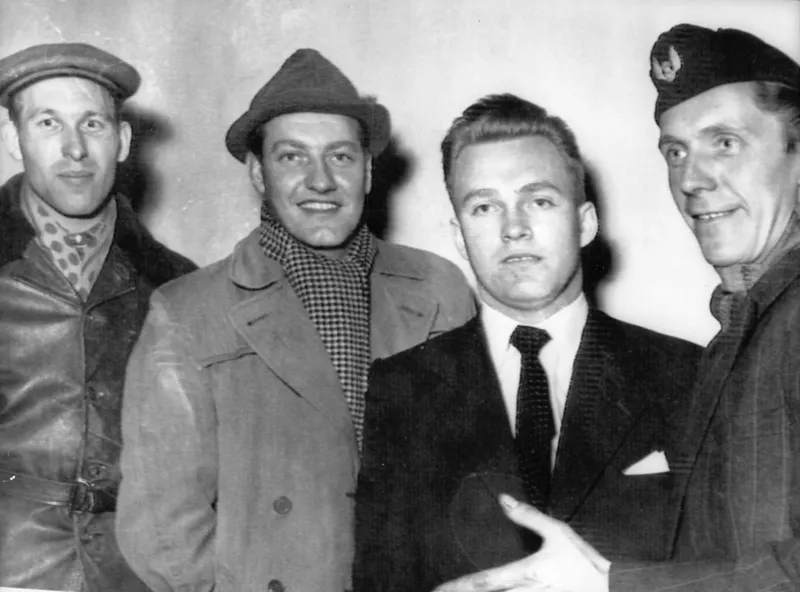
A 1973 bank hostage crisis in Stockholm led to the coinage of the term “Stockholm syndrome” and remains a debated example of hostage behavior.
Read more →
Leatherslade Farm became a key piece of evidence in the Great Train Robbery investigation when police found fingerprints and other traces left by the gang after their hideout cleanup failed.
Read more →
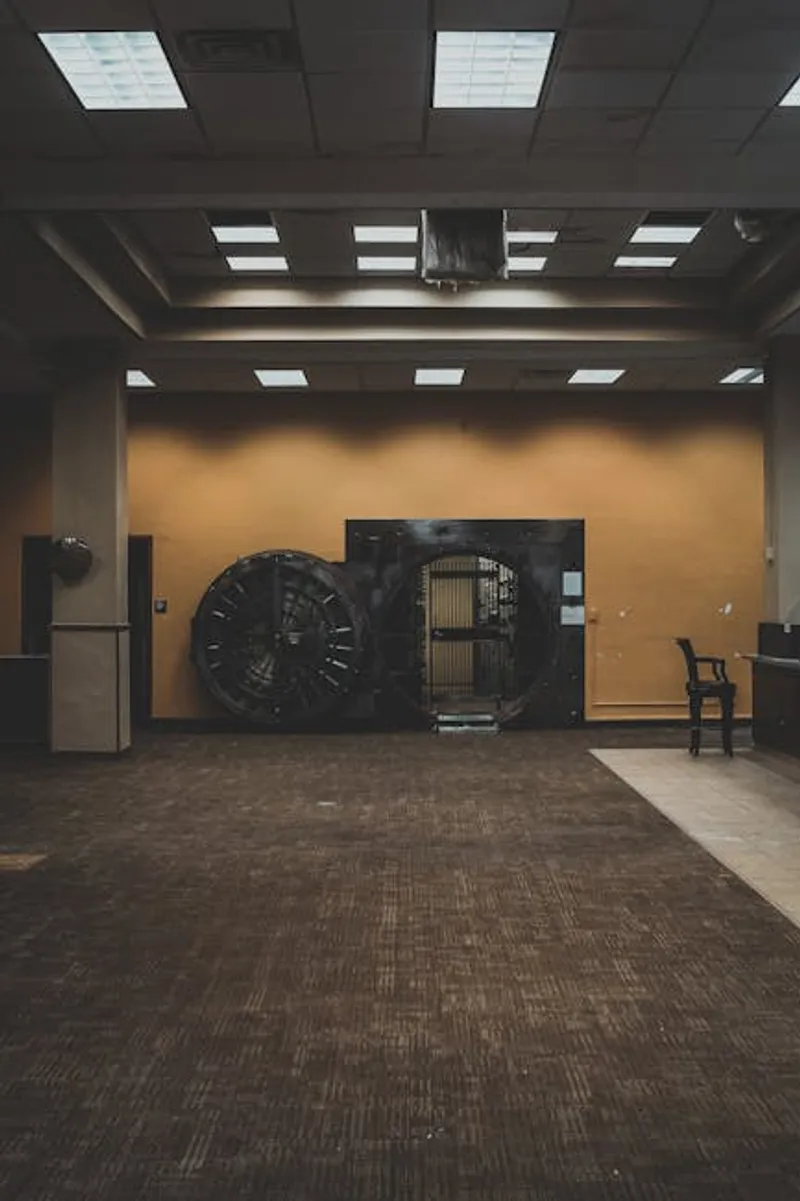
The 2003 Antwerp Diamond Heist involved thieves breaching the Antwerp Diamond Center’s vault and escaping with an estimated $100 million in diamonds, gold, and jewels.
Read more →
This list explains how forensic investigators can recover usable DNA from unexpected or degraded materials, showing that evidence can survive in unusual substrates and still help link people to crimes.
Read more →
Anna Sorokin, known as Anna Delvey, used forged financial documents and false claims of wealth to obtain credit, services, and access from Manhattan hotels, clubs, and institutions, leading to her 2019 conviction.
Read more →
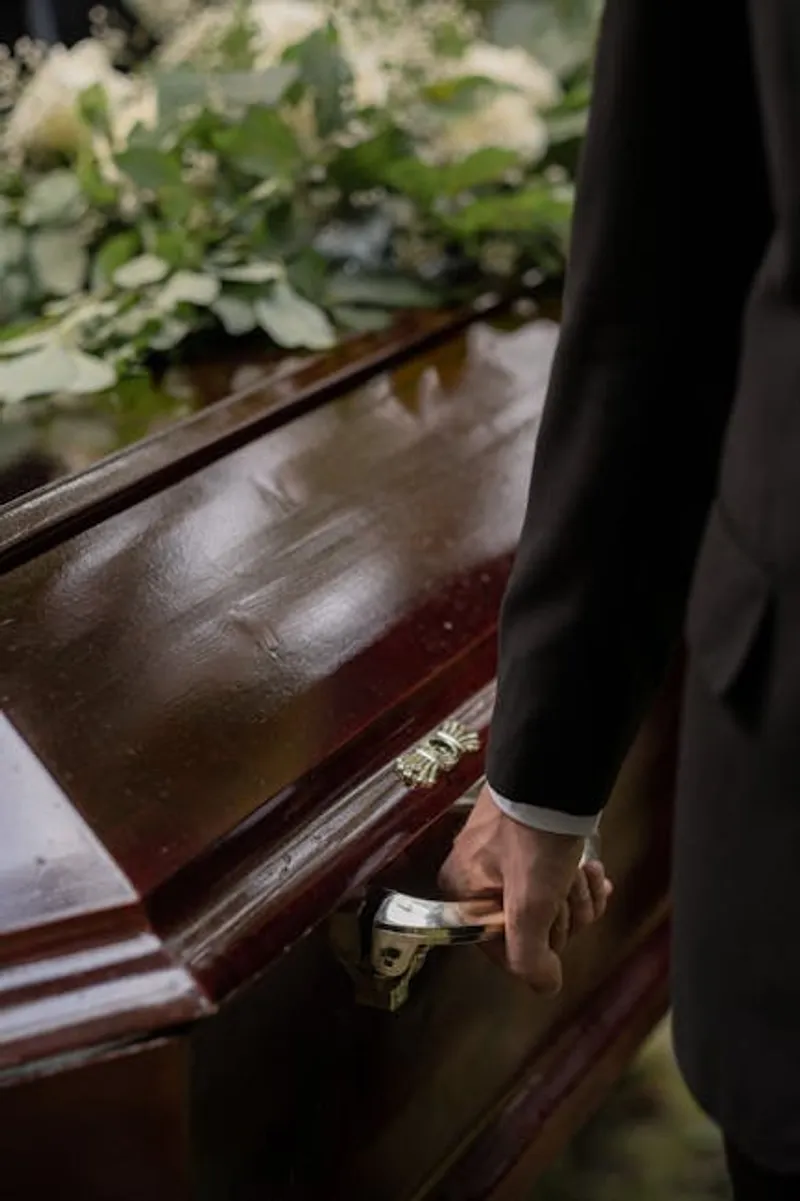
Los Angeles prosecutors said a mortuary employee and alleged accomplices tried to obtain about $1.2 million in life-insurance payouts by using false death certificates and an empty-casket funeral for people who were not actually dead.
Read more →
Wolfgang Beltracchi’s forgery scheme succeeded not just because of painted fakes, but because fabricated provenance, labels, and documents made the works seem historically authentic.
Read more →
John Drewe helped pass forged paintings as authentic by planting false provenance records in trusted museum archives.
Read more →
An SD card found on an Anchorage street led police to a homicide investigation and the arrest of Brian Steven Smith, who was charged in the killing of Kathleen Henry and later also linked by investigators to the death of Veronica Abouchuk.
Read more →
Microdots were tiny photographic images used in espionage to hide pages of text or photos inside ordinary-looking mail.
Read more →
Narco-submarines are low-profile semi-submersible vessels used by trafficking groups to move large drug shipments while reducing the chance of detection at sea.
Read more →
The Isabella Stewart Gardner Museum in Boston still displays empty frames where 13 artworks were stolen in its unsolved 1990 art heist.
Read more →
Operation Trojan Shield was an FBI-run encrypted messaging platform designed to lure criminals into using it so investigators could read their messages and gather evidence.
Read more →
Authorities found about 55 grams of cocaine hidden inside a Styrofoam box of frozen fish during a cargo inspection.
Read more →
The CIA’s Operation Midnight Climax used covert brothel safehouses to secretly dose unwitting men with LSD while observing them for MKUltra-related research.
Read more →
The Lockerbie bombing investigation used fragments of a jacket and a recalled clothing sale in Malta to help trace the bomb suitcase back toward Libya.
Read more →
The Mona Lisa was stolen from the Louvre in 1911 by Vincenzo Peruggia, who kept it hidden for more than two years before it was recovered.
Read more →
In June 2009, four inmates escaped from St. Tammany Parish Jail after using hacksaw blades hidden inside a Bible to cut through their window bars.
Read more →
Christopher Tapp was convicted in the 1996 murder of Angie Dodge, later released in 2017, and officially exonerated in 2019 after DNA-based investigation pointed to another suspect.
Read more →Tap a topic to search across all CurioWire stories.

Aileen Wuornos’s Florida murder trial became a major legal and public case because she claimed self-defense while prosecutors used evidence of similar crimes to argue the killings were deliberate.
Read more →
California’s East Area Rapist case was tied together by DNA in 2001 and, in 2018, genetic genealogy led to the identification of Joseph DeAngelo.
Read more →
The article explains how false claims and rumors spread online after the Sandy Hook shooting and affected public understanding and trust.
Read more →
The article explains that the Boston Strangler case remains unresolved because Albert DeSalvo’s confession may not account for all of the murders attributed to the killer.
Read more →