Ancien Régime Wolf Hunts Needed a Certified Carcass
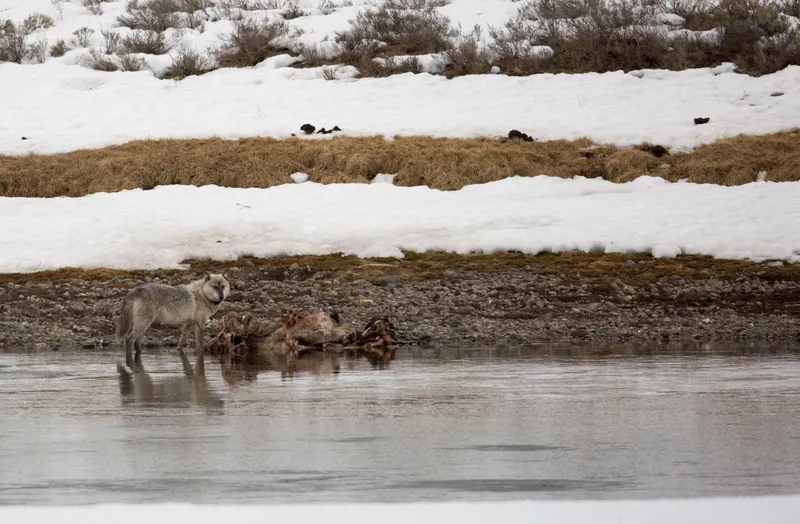
A 1677 royal ruling in France made certified wolf carcasses official proof for assigning the costs of wolf hunts to nearby parishes.
Read more →Uncover fragments from the unknown — unexplained phenomena, strange disappearances and enduring enigmas.

A 1677 royal ruling in France made certified wolf carcasses official proof for assigning the costs of wolf hunts to nearby parishes.
Read more →
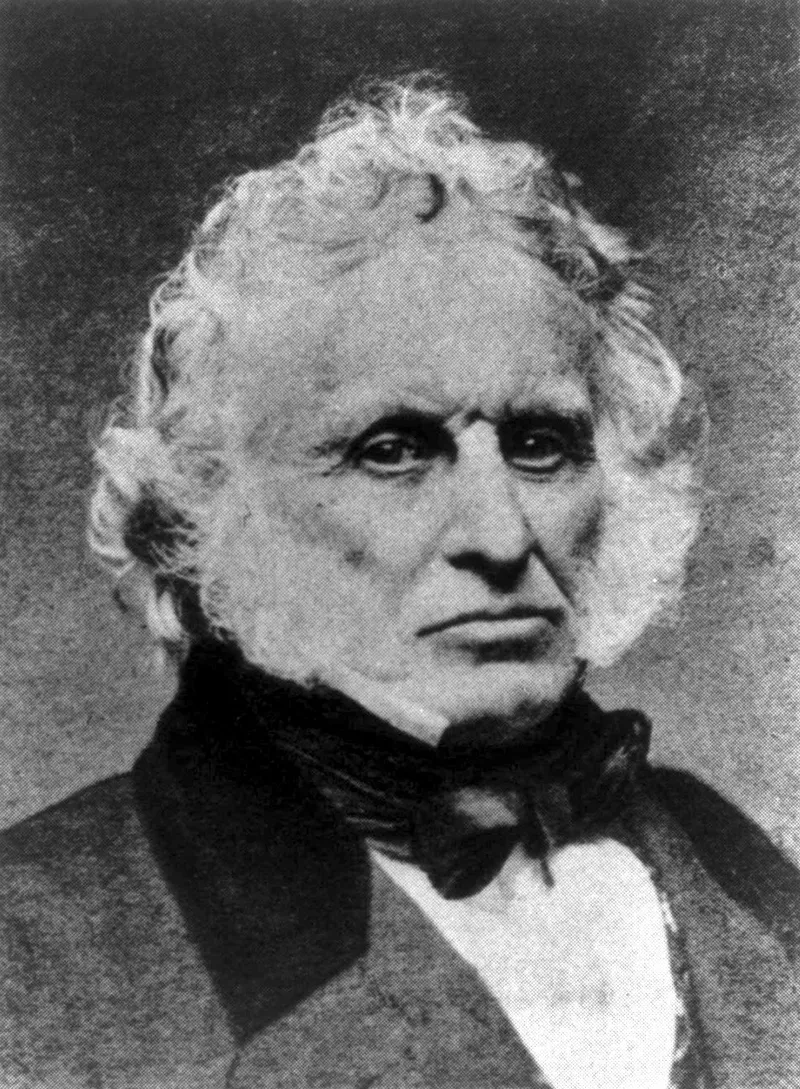
In 1833, Frederic Tudor’s shipment of New England natural ice to Calcutta demonstrated that ice could survive a long voyage to India and be sold in a tropical market.
Read more →It marked the first calm verbal sign of the Apollo 13 crisis, signaling that an oxygen tank explosion had turned a Moon mission into a fight to keep the crew alive.
Read more →
The article explains how original photographic materials such as negatives, raw files, sleeves, and contact sheets can preserve clues or context that published images may lose through editing, cropping, or retouching.
Read more →
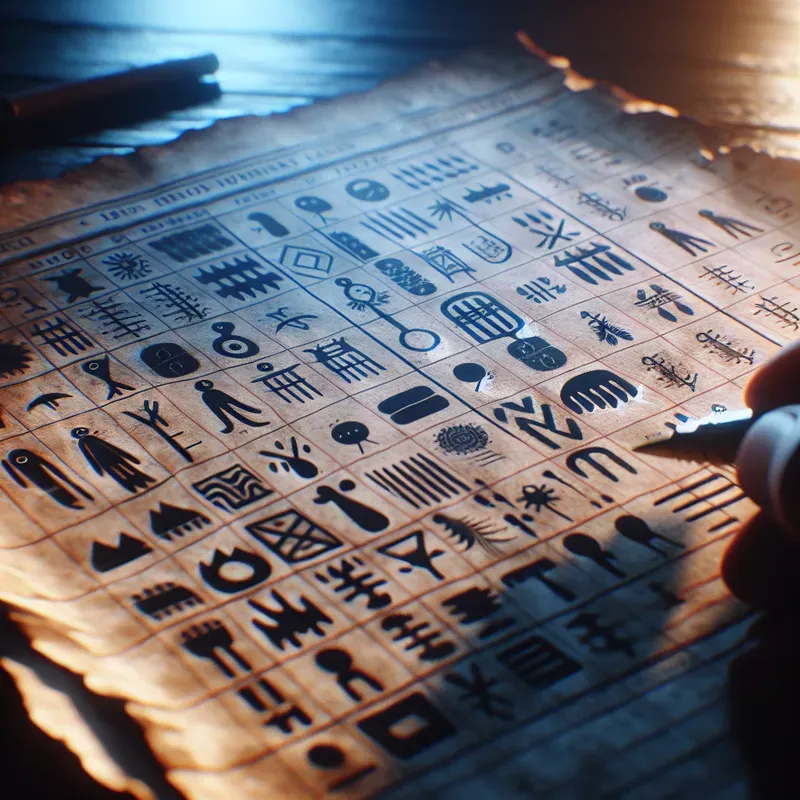
A digital copy of a 19th-century trading ledger linked to Michel Dokis uses Ojibwa pictographic writing to record everyday trade, showing Indigenous record-keeping in commerce.
Read more →
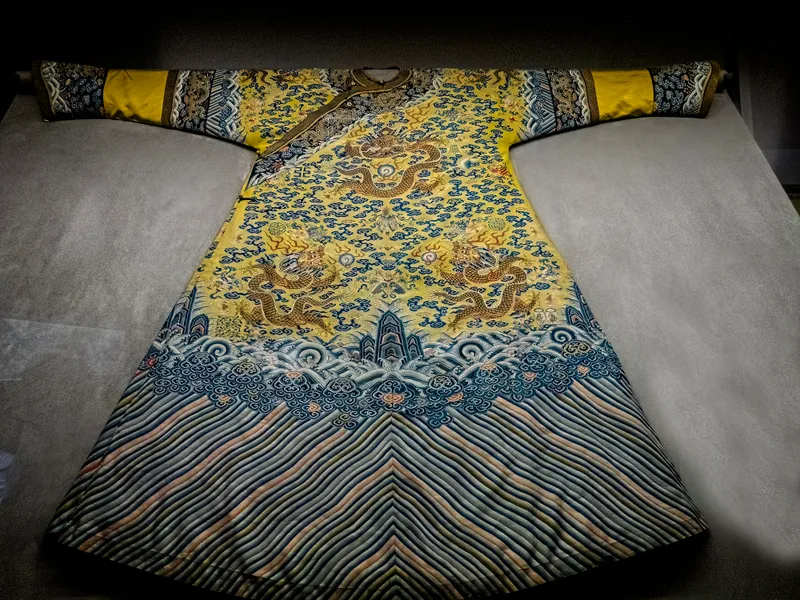
A Qing imperial consort’s robe survives with its original yellow tag, which records the fabric and the exact date it was received in the palace.
Read more →
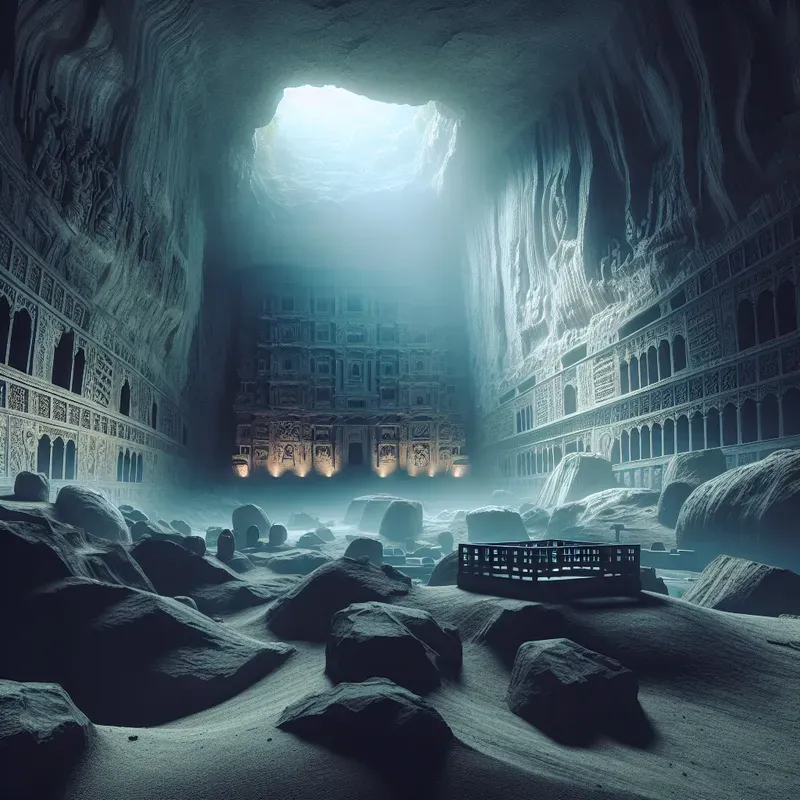
The Longyou Caves are a group of 24 large, human-carved underground chambers in China whose purpose remains uncertain.
Read more →
The Somerton Man case became especially famous after police found a tiny paper scrap reading “Tamám Shud,” which led them to a copy of the Rubáiyát of Omar Khayyám and possible coded writing inside it.
Read more →
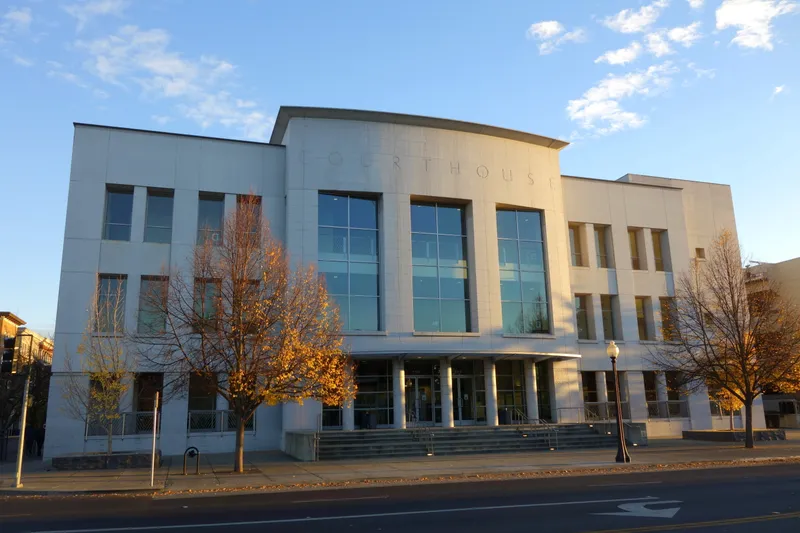
Earthquake repairs at the Napa County Courthouse uncovered a time capsule hidden in a staircase banister, containing letters, clippings, matchbooks, a bottle of rosé, and live rounds.
Read more →
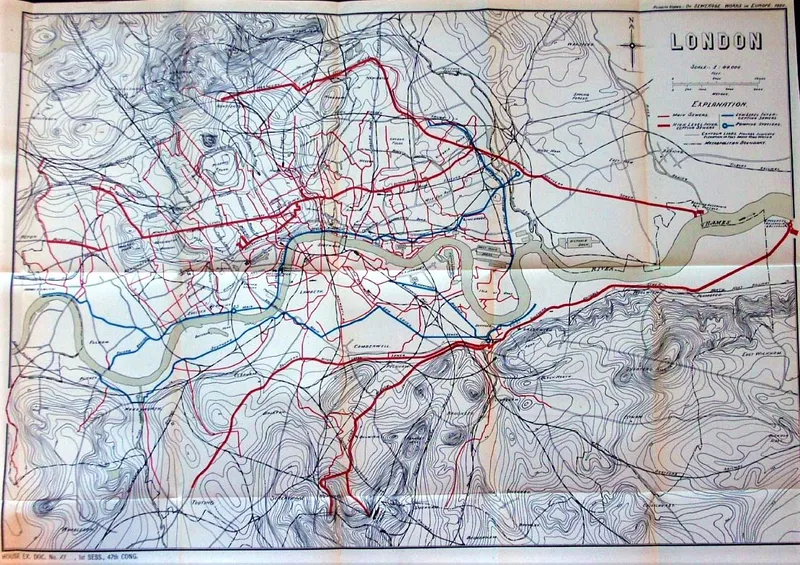
The Great Stink of 1858 forced Parliament to act on London’s sewage crisis, leading to Joseph Bazalgette’s modern sewer system.
Read more →
The rediscovery of HMS Erebus and HMS Terror confirmed the fate of Franklin’s lost Arctic expedition and turned a long mystery into an archaeological record shaped in part by Inuit oral history.
Read more →
Some Easter Island moai were fitted with inlaid coral eyes and stone pupils, likely to give them a more active, intentional ceremonial presence.
Read more →
A PLOS ONE analysis suggests the crew of the Confederate submarine H.L. Hunley may have been killed almost immediately by the explosion that sank the USS Housatonic, rather than by flooding or mechanical failure.
Read more →
The 1984 “Monster with 21 Faces” case began as the kidnapping of Glico’s president and escalated into an unsolved extortion campaign involving threats that candy products had been poisoned.
Read more →
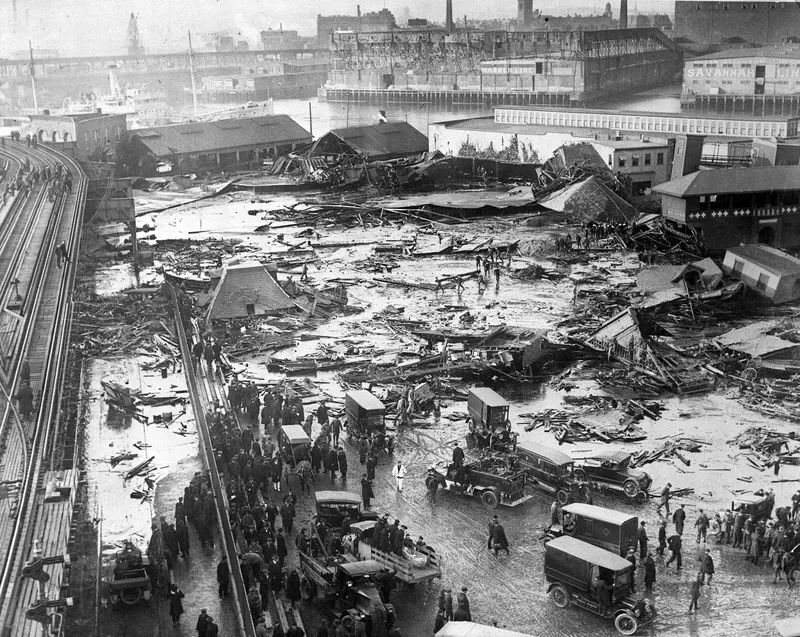
An 1814 brewery vat failure at Meux’s Brewery caused the London Beer Flood, killing eight people and damaging the surrounding neighborhood.
Read more →
The Ishango bone is a prehistoric carved bone whose notch patterns have been interpreted as counting marks, a lunar calendar, or an early mathematical tool, but its original purpose remains uncertain.
Read more →
The Taung Child skull is an early hominin fossil whose puncture marks may indicate it was attacked by a large bird of prey, possibly an eagle.
Read more →
Undeveloped photographic negatives from Salomon August Andrée’s 1897 Arctic balloon expedition were found on Kvitøya in 1930 and later developed, providing a rare visual record of the lost journey.
Read more →
Archaeologists uncovered part of a 15th-century ship at Newport’s medieval river port, and a French petit blanc coin sealed in the vessel helped date the wreck to after 1447.
Read more →
In 1966, two men were found dead on a hill with crude lead masks over their eyes and a note suggesting a timed sequence, but the cause of death remains uncertain.
Read more →
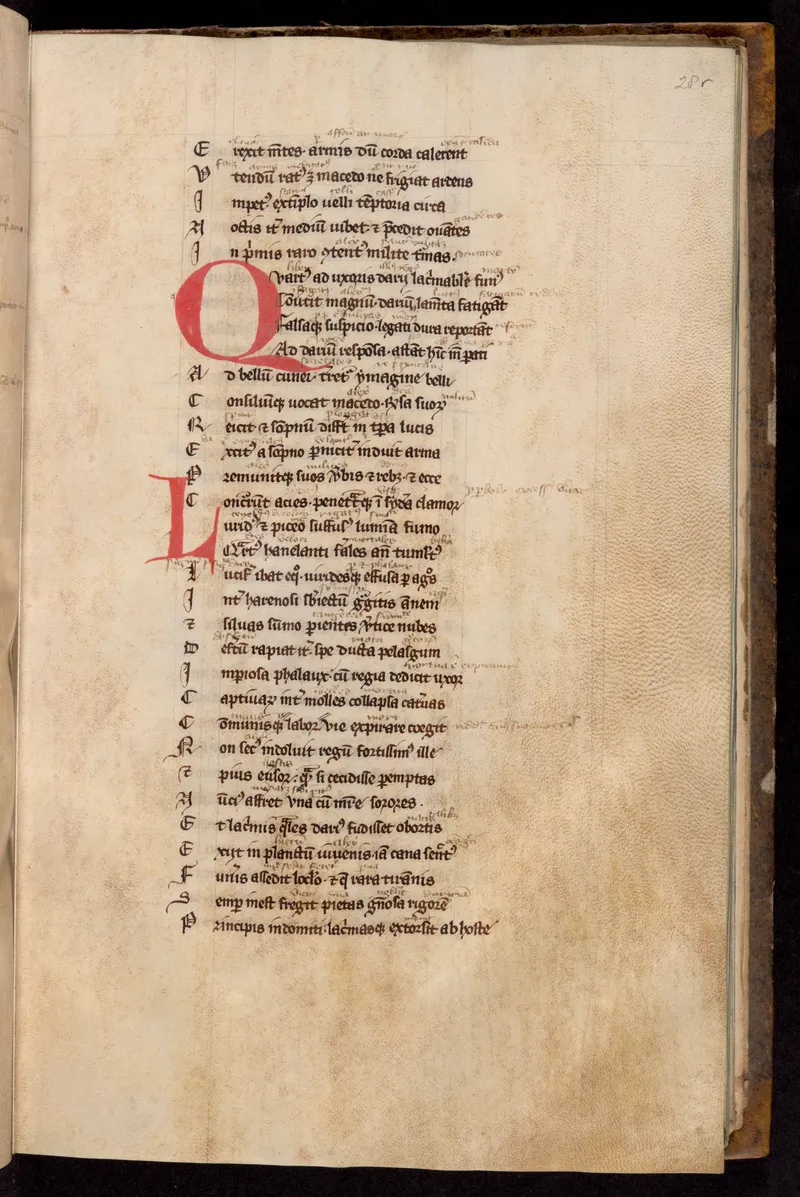
The Voynich Manuscript is a real medieval book with unreadable text and puzzling illustrations that has resisted definitive decipherment for centuries.
Read more →
The USS Cyclops vanished in 1918 after leaving Barbados for Baltimore with more than 300 men and a cargo of manganese ore, and no confirmed wreckage or distress signal was ever found.
Read more →
The article describes the 1947 murder of Elizabeth Short, known as the Black Dahlia case, and explains why it remains unsolved despite decades of investigation and publicity.
Read more →
The Beale Ciphers are a long-running American treasure mystery tied to three encrypted texts, one reportedly solved and two still unsolved, with uncertainty about whether the story is genuine at all.
Read more →
The Sodder family of West Virginia remained convinced for years that five of their children did not die in the 1945 house fire and that the case involved unanswered questions.
Read more →
The Winchester Mystery House is a large, irregular San Jose mansion built over decades by Sarah Winchester and famed for its confusing layout and enduring ghost-story legend.
Read more →Tap a topic to search across all CurioWire stories.

The article explains that the Zodiac Killer case remains unresolved in part because its letters and ciphers created a long-lasting public mystery alongside the murders.
Read more →
Medieval accounts describe two green-skinned children discovered in the English village of Woolpit in the 12th century, sparking mystery and speculation about their origins.
Read more →
The Marfa Lights are mysterious orbs of light observed in Texas that have puzzled observers for over a century.
Read more →
The Amber Room, a famous treasure, disappeared during World War II, and its fate remains a mystery.
Read more →