
🕯️ Notes from the casefile
How Writing Style Helped Lead the FBI to the Unabomber
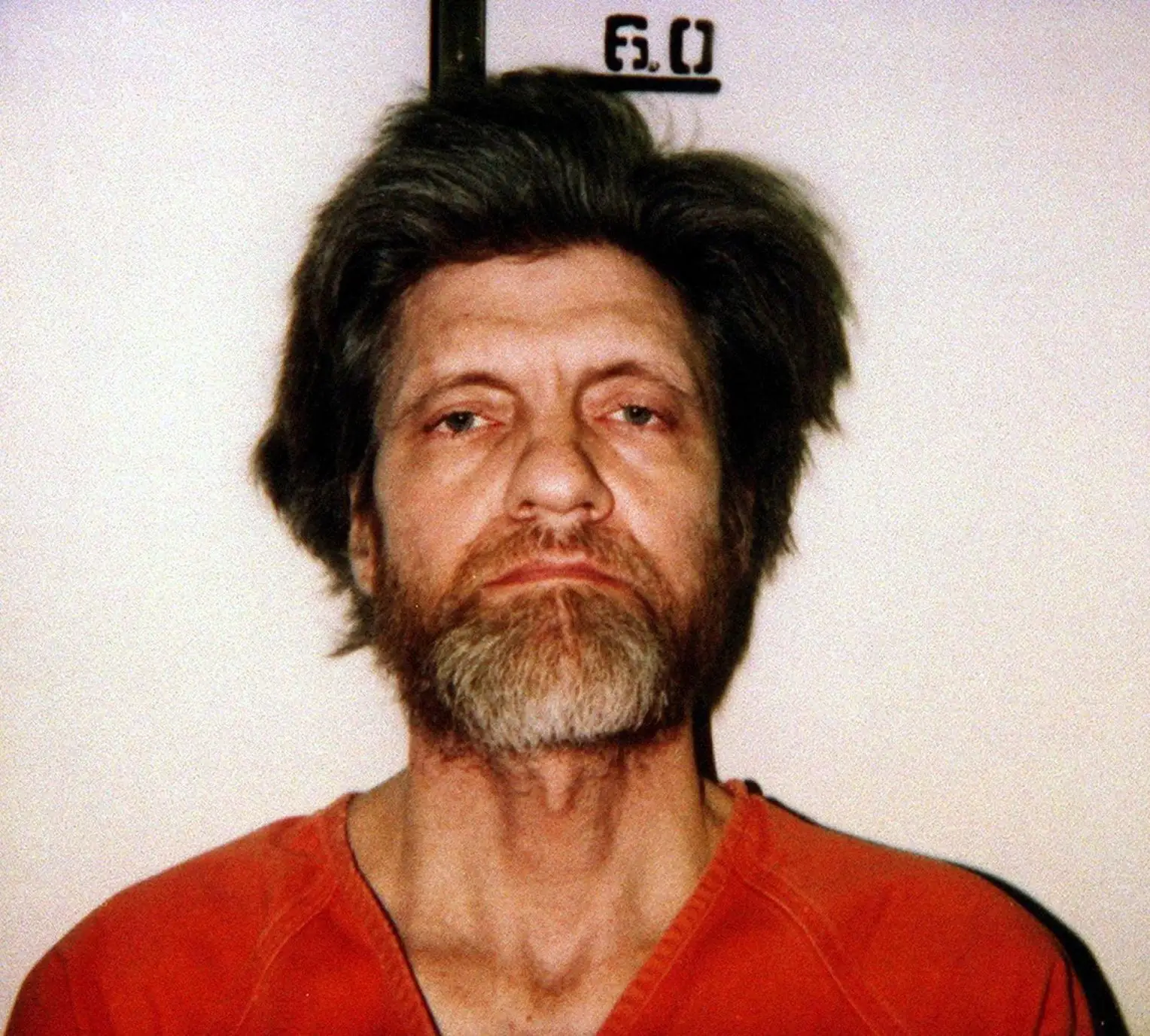
- What: The Unabomber investigation advanced when Ted Kaczynski’s manifesto was published and investigators recognized language patterns that helped narrow the suspect list.
- Where: Montana, at Kaczynski’s remote cabin.
- When: By 1996, leading up to his arrest on April 3, 1996.
By 1996, the Unabomber case had dragged on for years. The attacker had mailed and planted bombs over nearly two decades, killing three people and injuring 23, while avoiding identification. What finally pushed the investigation forward was not a dramatic forensic break. It was a piece of writing.
The Manifesto and Language Evidence
That writing was Industrial Society and Its Future, the manifesto later tied to Ted Kaczynski. The document laid out a long argument against modern technology and industrial society. Once it became public, investigators had something they had not had before at that scale: a substantial sample of the suspect’s language.
The key point is often simplified. Linguistic analysis did not function like a machine that instantly matched a text to a person. What mattered was that the manifesto gave people a chance to recognize habits of phrasing, tone, and structure that felt familiar. According to the broad account of the case, those patterns were compared with other writings linked to Kaczynski, and similarities helped focus attention on him.
How Style Narrowed the Suspect List
That shift is what makes the case notable. Popular retellings sometimes frame it as if experts solved the crime through language alone. The real story is narrower and more interesting. The publication of the manifesto created an opening, and recognition of its style, especially by someone close enough to notice distinctive wording, helped direct investigators toward Kaczynski.
From there, the inquiry led to his remote cabin in Montana. FBI agents arrested him on April 3, 1996. Linguistic clues were an important part of that path, but they worked as one investigative tool among others, not as self-contained proof.
Why the Unabomber Case Matters
That is the enduring detail in the case. A long campaign of violence did not end because a single hidden trace suddenly appeared under a microscope. It moved toward a suspect because language, once made public, could be recognized, compared, and used to narrow the field in a way conventional evidence had not yet managed.
Did You Know?
The FBI’s case also became known for a tip from Kaczynski’s brother David, who read the manifesto and recognized its style.