
🧪 Echoes from the lab
Butterflies Taste with Their Feet: Nature's Fascinating Adaptation
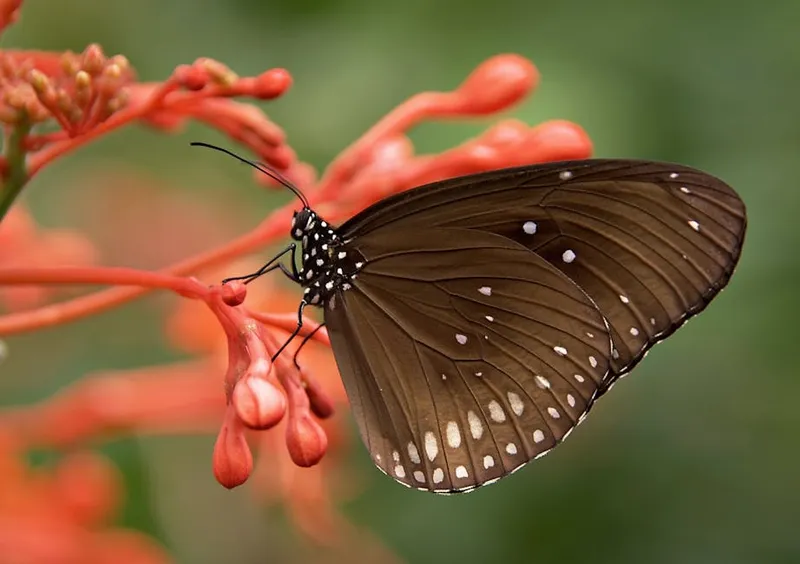
- What: Butterflies have chemoreceptors in their feet that allow them to taste plants and determine their suitability for feeding and laying eggs.
- Where: In various ecosystems where butterflies inhabit.
- When: Throughout their evolutionary history.
Imagine landing on a flower and savoring its flavor without even taking a bite. For butterflies, this is a reality.
These delicate creatures possess chemoreceptors in their feet, specifically in the tarsi, that allow them to detect plant chemicals as they perch.
When a butterfly lands on a plant, it can instantly gauge whether the plant is suitable for laying eggs or feeding. This adaptation is crucial for survival, ensuring they choose the right plants that provide nourishment for their larvae.
Scientists have studied this fascinating process, revealing that these receptors can sense a variety of compounds, from sugars to toxins.
This method of tasting has evolved over millions of years, showcasing the intricate relationships between butterflies and the ecosystems they inhabit.
So remember, when you see a butterfly, it’s not just fluttering by; it’s gathering vital information right beneath its feet.