
⚙️ Traces from the dawn of innovation
How Self-Healing Polymers Are Revolutionizing Technology
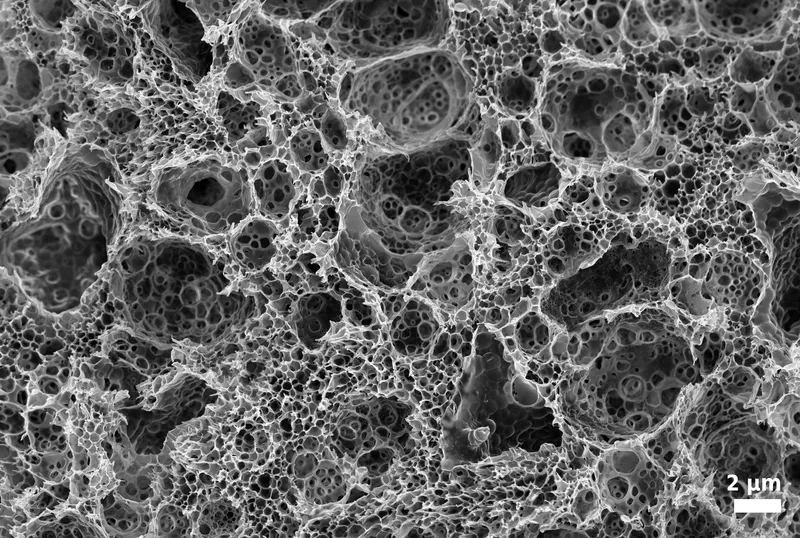
- What: Researchers developed a self-healing polymer that can repair itself when exposed to UV light.
- Where: Materials science laboratories.
- When: 2016.
In 2016, a groundbreaking development emerged from the world of materials science. Researchers unveiled a polymer that possesses a remarkable ability: it can self-heal when exposed to the ultraviolet (UV) component of sunlight.
This innovation hinges on a process called photo-triggered reversible disulfide bond exchange, allowing the material to mend itself after sustaining damage. Imagine a scratch on a surface that visibly mends under sunlight. This polymer can do just that.
The implications of this technology are profound. Self-healing materials could transform industries ranging from electronics to construction, reducing waste and prolonging the lifespan of products. Consider smartphones that can repair minor cracks or infrastructure that can self-repair after wear and tear.
Researchers continue to explore the potential applications, revealing a future where materials are not just durable but also adaptive. This polymer represents a significant leap toward sustainability in technology, making it an exciting area to watch as it develops.
Did You Know?
Self-healing materials have been researched for applications in various fields, including medicine, with research into self-healing sutures.