
🌿 Stories carved by wind and water
Why Male Seahorses Are the Ones That Get Pregnant
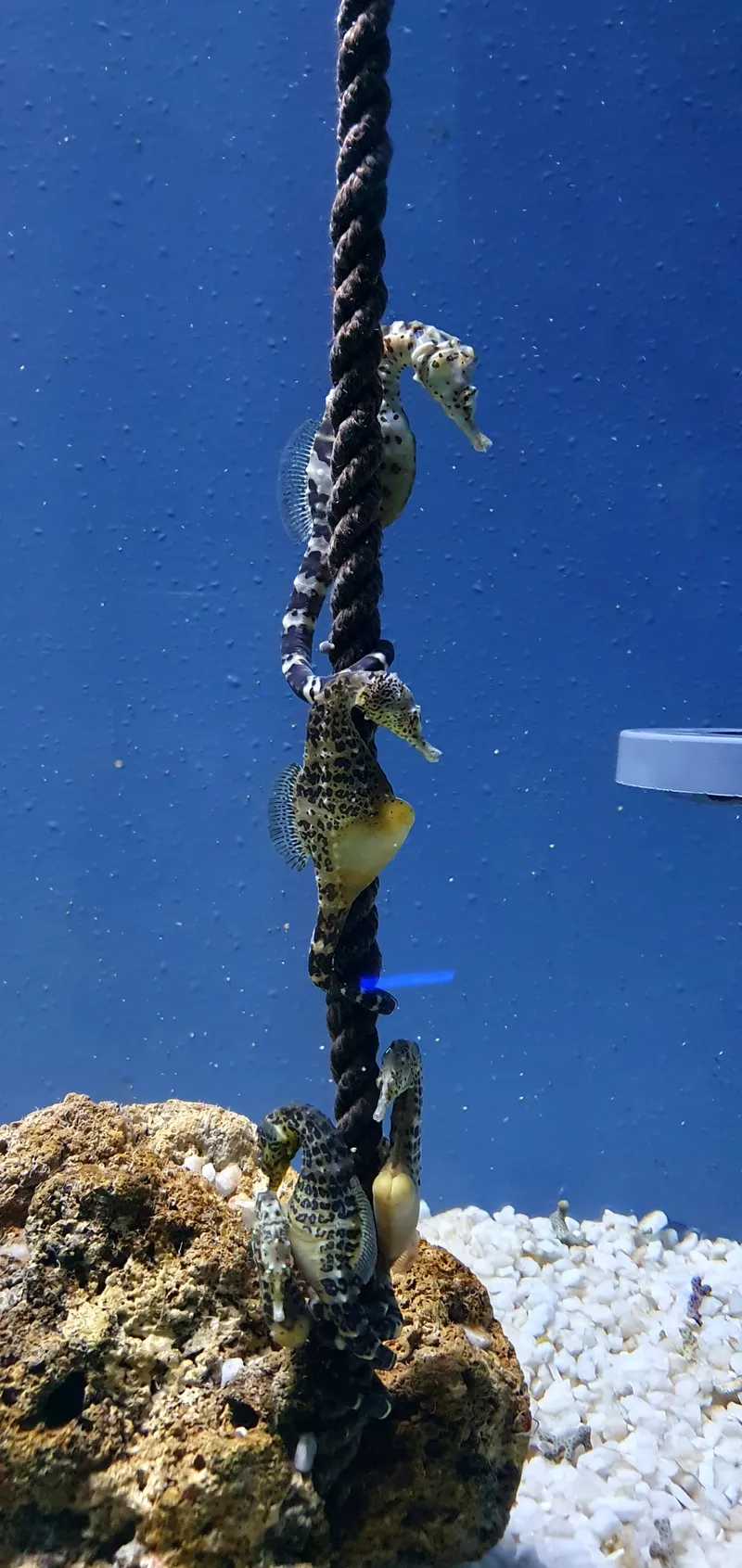
- What: In syngnathid fish such as seahorses, males brood fertilized eggs in a specialized reproductive structure and later release fully formed young.
- Where: In vertebrate fish, especially seahorses, pipefishes, and seadragons.
- When:
Male pregnancy is real, but in vertebrates it is almost entirely a syngnathid trait. That group includes seahorses, pipefishes, and seadragons, and what makes them unusual is not just that males carry eggs. In these fish, the male broods developing embryos in a specialized structure that is part of the reproductive process itself.
Seahorse Brood Pouch Pregnancy
In seahorses, that structure is a brood pouch. During mating, the female places her eggs into the pouch, where fertilization occurs. The male then carries the embryos as they develop, often for weeks, though the exact timing varies by species. The pouch is not simply a place to store eggs. It provides a protected environment during development, and in many syngnathids it also offers some degree of physiological support.
That is why the term male pregnancy is used here. This is not the same as egg-guarding or carrying eggs attached to the body. Once the eggs are transferred, the male’s body takes over the incubation stage. In functional terms, pregnancy has shifted to the male side of reproduction, even though the female still produces the eggs.
How Male Seahorses Give Birth
Seahorses are the best-known example because the process is so visible at the end. When development is complete, the male releases fully formed young into the water in a way that closely resembles birth. Pipefishes and seadragons follow the same broad pattern, although their brood structures are not always shaped like a seahorse pouch.
Why Syngnathids Are Different
A common misconception is that seahorses are unique simply because males carry offspring. The more precise point is that syngnathid males do more than carry. They brood embryos inside a specialized reproductive structure. Among vertebrates, that remains a very narrow exception. If the question is whether any male vertebrate truly gets pregnant in more than a metaphorical sense, seahorses and their relatives are the clearest case.
Did You Know?
Some seahorse species have brood pouches that open and close, helping protect developing embryos.