
🫀 Secrets of the human vessel
How Warm Colors Can Make Food More Appealing
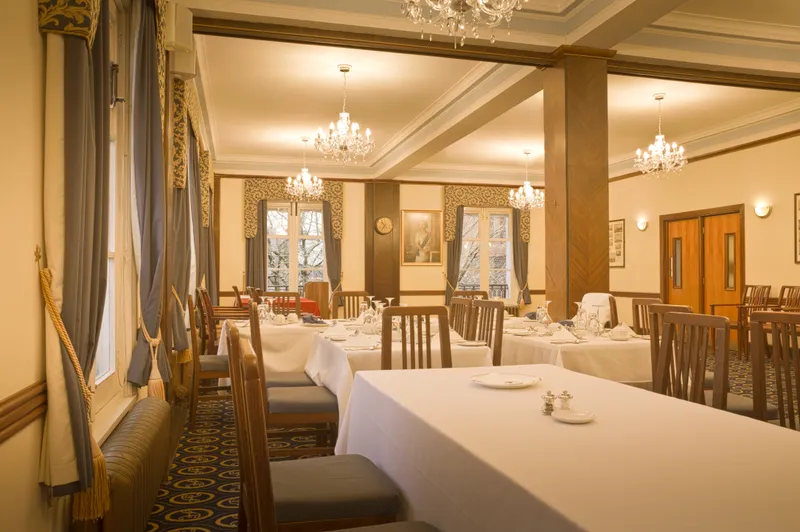
- What: The article explains that color can subtly influence appetite, with warm tones like red and orange tending to make food seem more tempting and cooler tones like blue sometimes reducing that effect.
- Where: In dining spaces and food presentation settings.
- When:
Color does more than set a mood. It can also nudge appetite, shaping how inviting food looks and how much people feel like eating.
Warm Colors and Appetite
Researchers have long noted a loose pattern: warm colors such as red and orange are often linked with stronger appetite cues, while cooler tones, especially blue, may dampen them. The effect is usually subtle, not automatic, and it does not override hunger, habit, or what is actually on the plate. But in the right setting, color can help push eating behavior in one direction or another.
Part of the idea is visual. Warm tones tend to feel energetic and attention-grabbing, which can make a dining space seem more stimulating. Food shown against red, orange, or similar hues may also appear richer or more tempting. Cooler colors can have the opposite effect, making a space feel calmer and, in some cases, slightly less food-focused.
Dining Rooms and Food Presentation
A simple example is the difference between a bright, warm-toned dining room and a cooler blue one. In the first, the atmosphere may encourage lingering, snacking, or larger portions without much thought. In the second, the same meal can feel less indulgent. That does not mean blue rooms suppress appetite for everyone, or that red walls cause overeating. It means environmental signals may play a small role in how eating unfolds.
That helps explain why color keeps coming up in discussions about restaurants, kitchens, and food presentation. If a space is designed around warm shades, it may subtly support a bigger appetite. If the goal is restraint, cooler colors might help a little, though probably not enough to change eating habits on their own.
Color as an Appetite Cue
The broader point is practical rather than dramatic: appetite is not driven only by taste or willpower. The room itself can become part of the meal, and color is one of the quieter cues shaping that experience.
Did You Know?
Some studies have reported that plate color can influence how much people serve themselves.