
🫀 Secrets of the human vessel
Strong Social Ties Are Linked to About a 50% Higher Chance of Survival
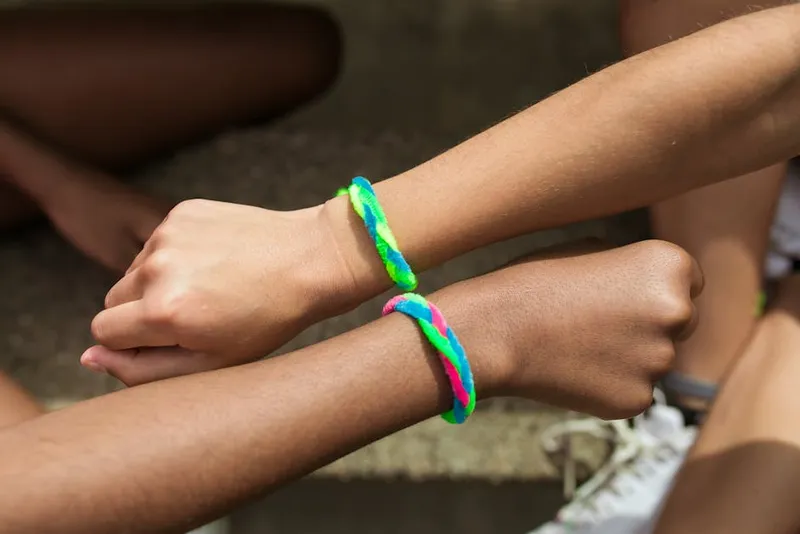
- What: A major meta-analysis found that strong social relationships are associated with about a 50% higher likelihood of survival, with the quality and supportiveness of ties mattering as well as their number.
- Where:
- When:
Strong social relationships are associated with a surprisingly large health difference: about a 50% higher likelihood of survival, according to a major meta-analysis of published research. That makes social connection relevant not just as a personal preference, but as a factor tied to longevity.
Social Ties and Survival
The finding is easy to reduce to “friendships help you live longer,” but the research points to something more specific. It is not only the number of people around someone that matters. The quality of close relationships, the sense of support, and the degree of social integration and participation all appear to play a role. In other words, social connection is not just about being surrounded by people. It is also about whether those ties are meaningful and active.
That distinction matters because “social relationships” can mean very different things. A large network does not automatically provide the same benefit as dependable, engaged relationships. The meta-analysis suggests that stronger social ties are linked to better survival outcomes across varied populations, which gives the result weight beyond any single group or study.
Why Relationships Matter
At the same time, the finding should be read carefully. An association this strong does not prove that relationships alone cause longer life, and human health is shaped by many overlapping factors. Even so, the pattern is notable. Social isolation has long been discussed as an emotional issue; this body of research places it in a broader health context.
Researchers have proposed several reasons for the link. People who are less isolated may experience lower stress and better physiological regulation, including effects on immune function. Social ties can also shape everyday behavior, from keeping medical appointments to staying engaged in routines that support health. The exact pathways may differ from person to person, but the broader relationship between connection and survival appears consistent enough to take seriously.
Health Benefits of Connection
The practical implication is not that every interaction becomes a health intervention. It is that relationships belong in the same conversation as other long-term influences on well-being. Time spent maintaining supportive ties, participating in a community, or staying socially connected may matter in ways that go beyond mood or companionship.
Did You Know?
Social isolation has been linked in other research to higher risks of poor sleep and elevated blood pressure.