
🚀 Whispers from the silent cosmos
Why Moon Footprints Can Last for Extremely Long Periods
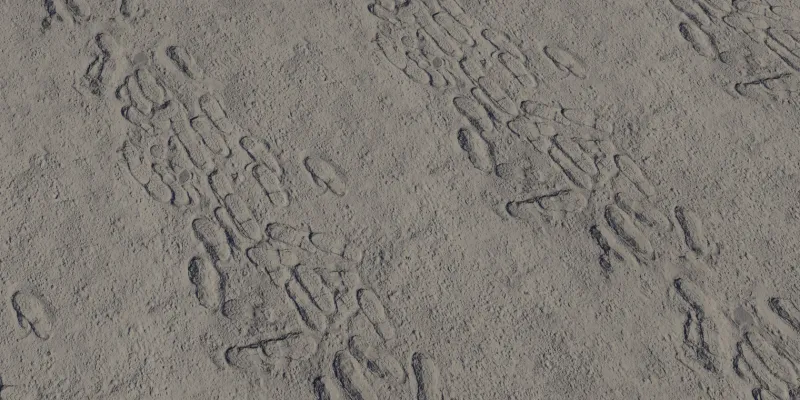
- What: Lunar footprints can stay visible for a very long time because the Moon lacks wind, liquid water, and most other surface-erasing processes found on Earth.
- Where: The Moon, especially Apollo landing sites and the lunar regolith.
- When: Since the Apollo missions in 1969 and later.
Footprints on the Moon do not fade the way they would on Earth because the Moon lacks most of the forces that normally erase surface marks. There is no meaningful atmosphere, so there is no wind to blow dust across the ground. There is no liquid water, so there is no rain, runoff, or freeze-thaw cycle to break down the surface. That alone makes the lunar surface unusually good at holding onto disturbances.
Why Lunar Tracks Stay Visible
The ground itself also helps. The Moon is covered in regolith, a layer of fine, dry, fragmented material formed over long spans of time by impacts. When astronauts stepped into it during the Apollo missions, their boots pressed clear patterns into that dust. In the absence of weather, those impressions can remain in place far longer than they would anywhere on Earth.
That does not mean the prints are perfectly permanent. The Moon is still exposed to space. Micrometeorites continue to strike the surface, and over very long periods those impacts slowly churn and disturb the regolith. Sunlight and temperature extremes also affect the uppermost layer in ways that make the lunar surface active on a small scale, even if it looks still from a distance.
How Long Apollo Footprints Last
Even so, the rate of change is slow enough that the astronaut footprints left in 1969 and during later missions are generally expected to persist for thousands, and possibly much longer. The key point is not that the Moon preserves everything forever. It is that the usual erasers of a landscape, wind, water, and active geology, are largely absent there.
That makes the Apollo landing sites unusually fragile records of human activity. On Earth, a footprint is brief. On the Moon, the same kind of mark can outlast generations. Unless later missions disturb those areas directly, many of those impressions may remain visible for an exceptionally long time.
Did You Know?
Neil Armstrong’s first footprint on the Moon is still there unless it has since been disturbed by a later impact or mission activity.