
🌍 Records from the halls of power
The Mimic Octopus Doesn't Just Camouflage. It Imitates Other Animals.
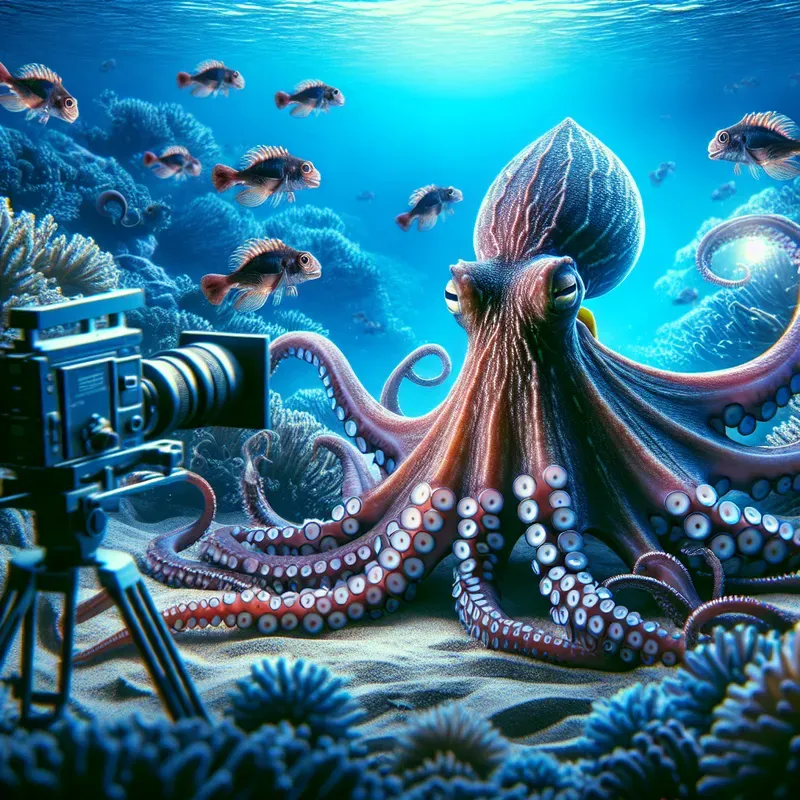
- What: The mimic octopus (Thaumoctopus mimicus) defends itself by changing color, posture, and body shape to imitate other marine animals such as lionfish, sea snakes, and flatfish.
- Where: The Indo-Pacific, including observations in Indonesia and the Philippines.
- When:
The mimic octopus is unusual even by cephalopod standards. Found in the Indo-Pacific, this species is known not only for blending into its surroundings, but for reshaping its body to resemble other marine animals when danger is near.
That distinction matters. Many octopuses rely on camouflage, changing color and texture to disappear against sand, coral, or seafloor debris. Thaumoctopus mimicus can do that too. What sets it apart is a more specific tactic: instead of simply hiding, it sometimes takes on the outline and movement of species that predators are more likely to avoid.
How the Mimic Octopus Defends Itself
Researchers have described the animal imitating forms associated with lionfish, sea snakes, and flatfish. The effect comes from a combination of flexible limbs, rapid changes in posture, and shifts in color and surface pattern. In practice, the octopus can move from near-invisibility to a recognizable warning shape in seconds.
That behavior appears to function as defense rather than display. An octopus is a soft-bodied animal with limited protection of its own, so looking like something venomous or otherwise risky could discourage an attack. The mimicry is especially striking because it is not fixed to one model. Instead, the same animal may use different disguises in different situations, suggesting a flexible response rather than a single built-in pattern.
Imitating Lionfish, Sea Snakes, and Flatfish
Observations from places including Indonesia and the Philippines helped bring wider attention to the species, and the mimic octopus remains one of the clearest examples of complex visual mimicry in the ocean. Scientists are still studying how broad its range of imitations really is and how consistently those forms are used.
The species is often described in sweeping terms, but its significance is more specific and more interesting than that. The mimic octopus stands out because survival does not depend only on staying unseen. In some moments, it depends on being seen as the wrong animal.
Did You Know?
The species was formally described in 2005.