
🚀 Whispers from the silent cosmos
Discover the Enormous Size of Red Supergiants
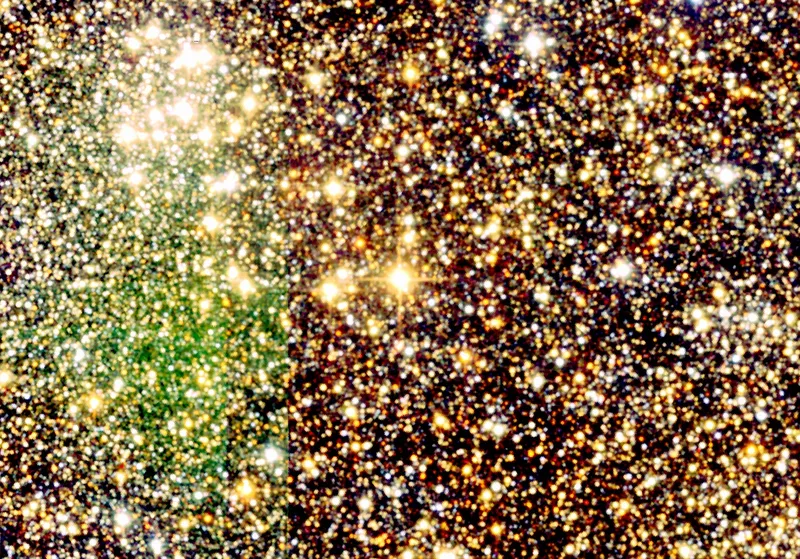
- What: Red supergiants, such as Stephenson 2-18, are massive stars that play a crucial role in the universe by scattering heavy elements during supernova explosions.
- Where: In the cosmos.
- When: During the late stages of their life cycles.
Imagine a star so massive that it dwarfs our Sun—welcome to the world of red supergiants.
One of the most astonishing examples is Stephenson 2-18. This colossal star is often cited as being around 2,000 times the Sun's radius. How did it become so large?
As stars like Stephenson 2-18 reach the end of their life cycles, they undergo late-stage shell burning. This process inflates their cool outer envelopes, creating an enormous, glowing sphere of gas.
But what does this mean for the universe? Red supergiants are not just massive; they play a critical role in the cosmic ecosystem.
When they finally explode in supernova events, they scatter heavy elements across the cosmos, seeding new stars and planets.
While they may appear to be just fiery giants in the sky, red supergiants are vital architects of the universe.
Did You Know?
Red supergiants can be over 1,000 times more luminous than the Sun.