
🏺 Recovered from the dusty archives
Sobekneferu: Often Cited as the Earliest Confirmed Female Pharaoh of Egypt
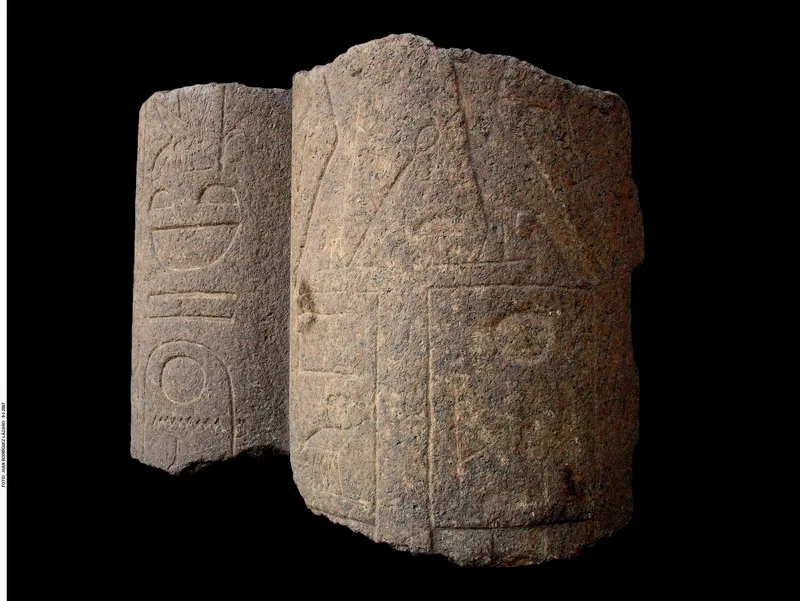
- What: Sobekneferu is widely recognized as the earliest confirmed female pharaoh of ancient Egypt, ruling during the 12th Dynasty.
- Where: Ancient Egypt
- When: c. 1807–1802 BCE
In the annals of ancient Egypt, the story of female rulers is often overshadowed by figures like Hatshepsut. But did you know that Sobekneferu, who reigned around 1807–1802 BCE, is widely recognized as the earliest confirmed female pharaoh?
Sobekneferu ruled during the 12th Dynasty, a time marked by significant political and cultural achievements. Her reign came at a pivotal moment, following the death of Amenemhat IV. She ascended to the throne, a rare occurrence for a woman in ancient Egypt, often characterized by male dominance.
While Hatshepsut is frequently celebrated for her extraordinary reign in the 15th century BCE, Sobekneferu's legacy has been less visible. After her death, her name faded from history, and some suggest it was downplayed by later successors who sought to diminish her achievements.
Unlike Hatshepsut, who embraced her role and even adopted male attire in representations, Sobekneferu's reign is shrouded in mystery. She is believed to have emphasized her divine connection, associating herself with the crocodile god Sobek, which may have played a role in her kingship.
The story of Sobekneferu serves as a reminder of the complexities of female power in ancient times, highlighting how narratives can be shaped or erased by those who follow.
Did You Know?
Sobekneferu was the last ruler of the 12th Dynasty before the transition to the 13th Dynasty in ancient Egypt.