
🌿 Stories carved by wind and water
The Jellyfish That Can Reset Its Life Cycle
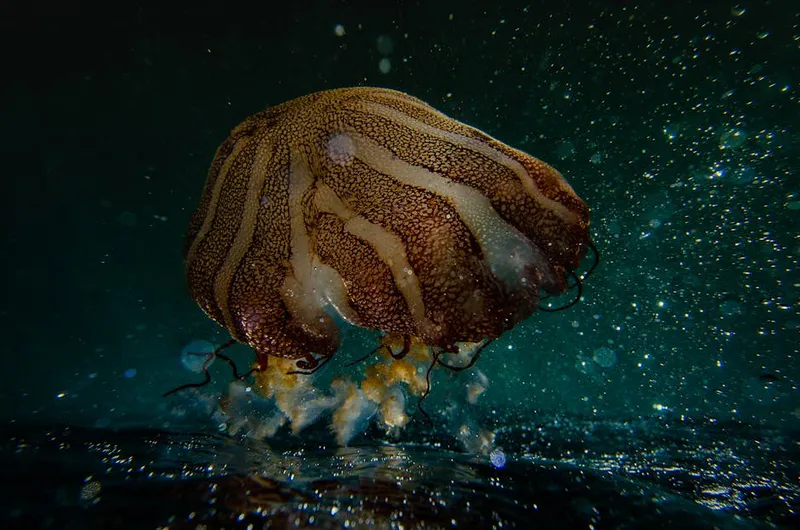
- What: Turritopsis dohrnii, often called the “immortal jellyfish,” can reverse its life cycle after adulthood and return to an earlier stage under certain conditions.
- Where: The Mediterranean Sea, where it first drew scientific attention.
- When:
Turritopsis dohrnii is often called the immortal jellyfish, but the real story is narrower and stranger than that label suggests. This small marine animal can, under certain conditions, reverse its development after reaching adulthood and return to an earlier life stage.
How the Jellyfish Reverses Development
Instead of continuing along the usual path toward reproduction and death, it can shift back into a juvenile form when stressed, injured, or under other pressure. That means an individual jellyfish may begin its life cycle again rather than simply ending it.
The key idea behind this reversal is transdifferentiation, a process in which one kind of specialized cell changes into another. Researchers have focused on this ability because it offers a rare example of an animal reorganizing its body after maturity in a way that most species cannot.
Why Scientists Study Turritopsis dohrnii
Turritopsis dohrnii is associated with the Mediterranean Sea, where it first drew scientific attention, though its reputation has spread much farther than its name recognition. The phrase immortal jellyfish makes it sound like a creature outside the normal rules of biology. It is not. It can still be eaten, damaged, or killed by changes in its environment.
Not Immortal, But Repeatable
What makes it notable is not invincibility but repeatability. If the conditions are right, the animal can avoid the usual one-way direction of its life cycle and start over. That does not make it immortal in any absolute sense. It makes it one of the clearest examples in nature that development is not always irreversible. For biologists, that is the real point of interest: not a fantasy of endless life, but a living system that can, in limited circumstances, rebuild itself by going backward first.
Did You Know?
Turritopsis dohrnii was first described scientifically in 1883.