
⚙️ Traces from the dawn of innovation
CRISPR Gene Drive Wipes Out Mosquitoes in 2018 Lab Experiment
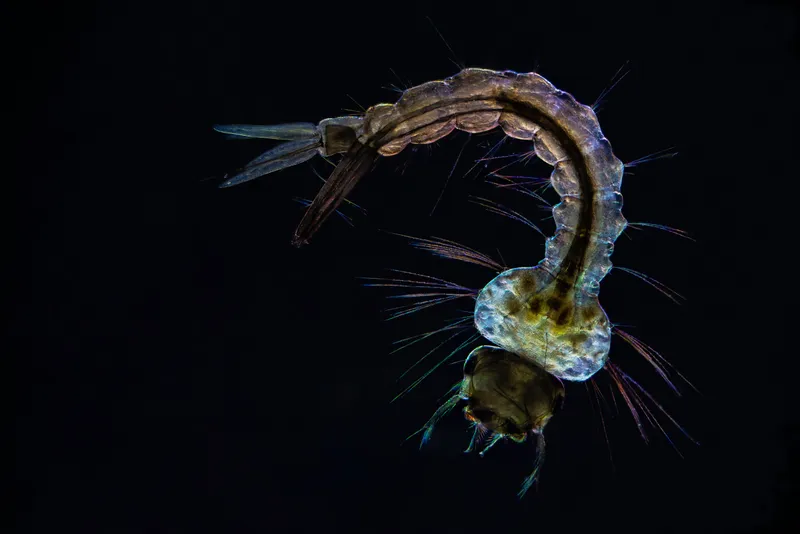
- What: In 2018, scientists used CRISPR technology to create a gene drive targeting the doublesex gene in Anopheles gambiae mosquitoes, leading to their extinction in a lab setting.
- Where: Laboratory environment.
- When: 2018.
In a groundbreaking experiment in 2018, scientists harnessed CRISPR technology to target a specific gene in the Anopheles gambiae mosquito, known for spreading malaria.
This gene, called doublesex, plays a crucial role in the insect's reproduction. By creating a gene drive that altered this gene, researchers aimed to drastically reduce mosquito populations.
What happened next was astonishing. Within just a few generations, the caged mosquito population began to dwindle, eventually leading to their extinction in the lab.
This experiment raised significant questions about the future of gene editing in controlling disease-carrying species. Could similar techniques be applied in the wild?
While the potential benefits are immense, ethical concerns about ecosystem impacts and unintended consequences linger. This case exemplifies the power and risks of genetic engineering.
As scientists continue to explore these frontiers, the 2018 experiment serves as a pivotal moment in the ongoing dialogue about technology and nature.
Did You Know?
The Anopheles gambiae mosquito is responsible for transmitting malaria to millions of people each year, making it a significant target for disease control efforts.