
🛍️ Artifacts of human ingenuity
Why EU Chocolate Can Legally Include Up to 5% Certain Other Vegetable Fats
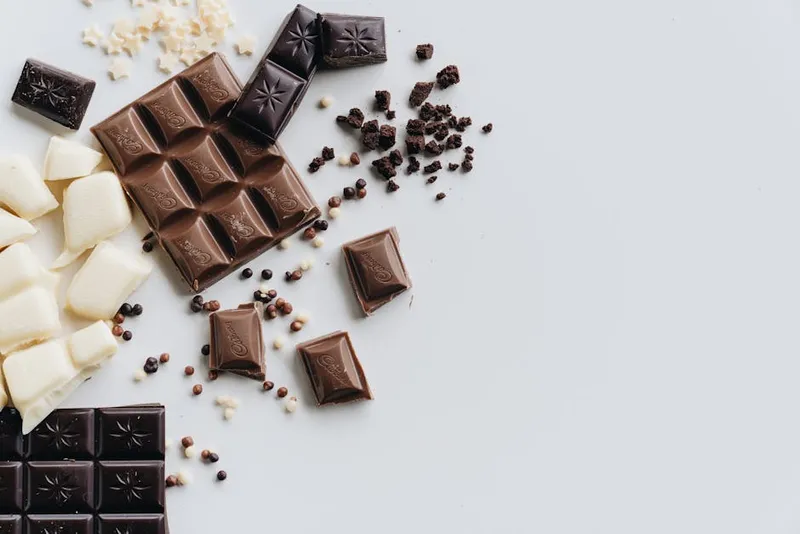
- What: EU rules allow chocolate to contain up to 5% of certain non-cocoa vegetable fats and still be labeled as chocolate.
- Where: European Union
- When: Current rules
In the European Union, chocolate does not have to be made entirely from cocoa butter. Under current rules, manufacturers can use up to 5% of certain non-cocoa vegetable fats and still sell the product as chocolate.
EU Chocolate Fat Rules
That small allowance is easy to miss, but it matters. Cocoa butter gives chocolate much of its familiar snap, melt, and mouthfeel. Replacing part of it with other vegetable fats can change how a bar behaves, even when the difference is subtle. The result may be a texture that feels smoother to some people and less characteristic to others.
The rule is often treated as meaning European chocolate is full of substitutes. It is not. The limit is capped, and many products may still rely entirely on cocoa butter. But the regulation does mean that “chocolate” in the EU can legally include a small amount of fats that do not come from the cocoa bean.
Why Manufacturers Use It
Why allow it at all? One practical reason is cost. Alternative vegetable fats can reduce production expenses, and depending on how they are used, they may also affect handling and consistency. For manufacturers, that can be useful. For consumers, it complicates the idea that chocolate is always a straightforward cocoa-based product.
What the Limit Means
This is where the debate usually lands: not on whether the product is legal, but on what people think chocolate ought to be. Some see the 5% allowance as a reasonable formulation choice. Others see it as a compromise that can dilute the flavor and melting qualities associated with cocoa butter.
The interesting part is less the number itself than the definition behind it. A food many people think of as simple turns out to depend on a regulatory boundary. In the EU, that boundary leaves a little room for interpretation, and that can be enough to change how a bar tastes, melts, and is understood on the shelf.
Did You Know?
EU food law also requires chocolate labels to list certain ingredients, so consumers can check whether non-cocoa fats were used.