
🕯️ Notes from the casefile
The Chicago Tylenol Murders Permanently Changed How Medicine Is Packaged
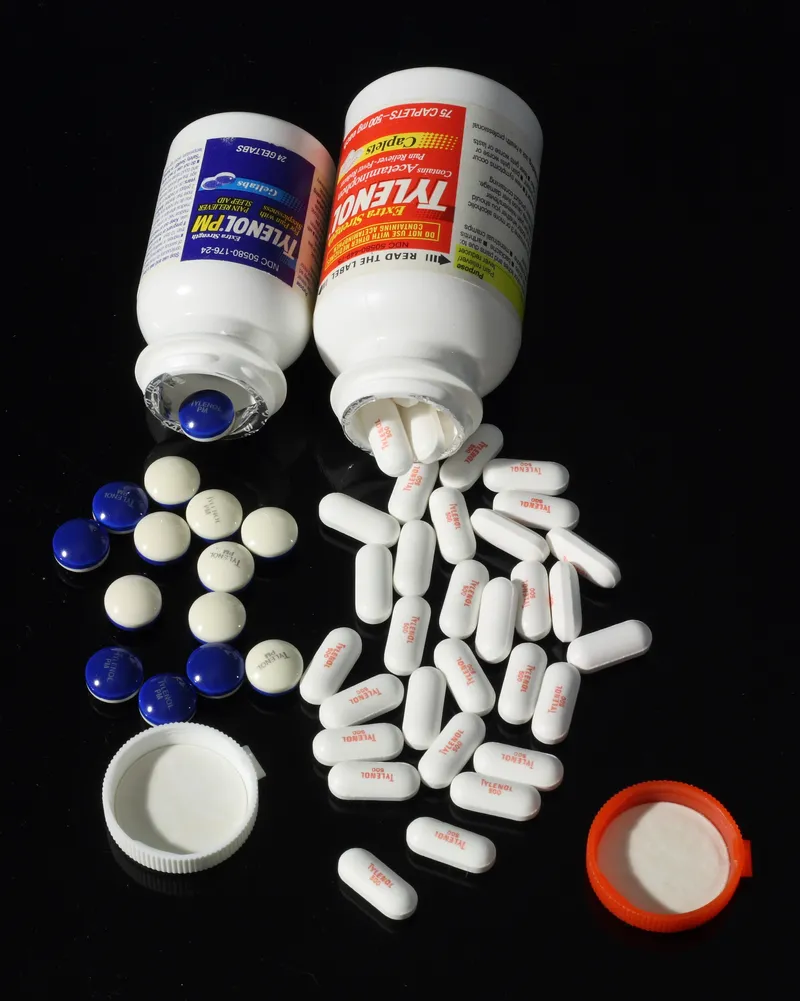
- What: The 1982 Chicago-area Tylenol cyanide murders killed seven people and led to major changes in tamper-evident packaging and anti-tampering regulation for over-the-counter medicines.
- Where: Chicago area, United States
- When: 1982 and the years immediately after
In 1982, seven people in the Chicago area died after taking Extra-Strength Tylenol capsules laced with cyanide. The killings triggered immediate fear because the product was a common over-the-counter pain reliever sitting in medicine cabinets across the country.
Investigators soon confronted a disturbing fact: the tampering may not have happened at the factory. If someone could take a packaged product off a shelf, alter it, and return it to circulation, then the problem was larger than one brand or one store. It exposed a weakness in how everyday consumer goods were packaged and sold.
Tylenol Cyanide Poisoning
The case also produced a rare public crisis. People were not reacting to a hidden industrial defect or a manufacturing error. They were reacting to the idea that a sealed-looking product could be deadly because it had been deliberately opened and altered somewhere between production and purchase. That distinction mattered. It shifted the conversation from quality control to tamper prevention.
The murders remain unsolved, but their practical effect was immediate. Lawmakers moved toward stricter anti-tampering rules, and drugmakers began redesigning packaging to make interference easier to detect. Tamper-evident seals, shrink bands, foil barriers, and other protective features became part of the new standard for many over-the-counter medicines.
Tamper-Evident Packaging Changes
Those changes were not cosmetic. They were meant to make hidden tampering harder and obvious tampering easier to spot before a product reached a customer. The familiar layers people now encounter on medicine bottles and boxes exist in part because the old system proved too easy to exploit.
The Chicago Tylenol murders are remembered as a criminal case, but their longer legacy sits on pharmacy shelves. A still-unsolved attack forced regulators and manufacturers to treat packaging itself as a line of defense, reshaping how common medicines are presented, protected, and trusted in the marketplace.
Did You Know?
Tylenol quickly introduced widespread tamper-evident packaging, including sealed caps and outer wrapping, after the attacks.