
🌍 Records from the halls of power
Why Some Fungi Glow in the Dark: The Science Explained
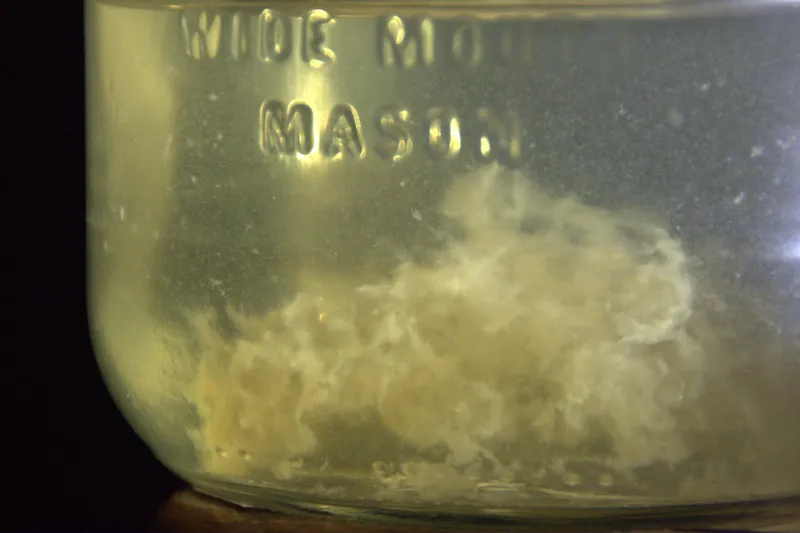
- What: Certain fungi exhibit bioluminescence due to a chemical reaction involving luciferin, which may attract insects that aid spore dispersal.
- Where: Forests of Brazil and the Appalachian region of the United States.
- When:
Imagine walking through a dark forest and suddenly spotting a mystical glow illuminating the ground. This isn’t magic; it’s a fascinating phenomenon caused by certain fungi.
These glowing fungi, often found in damp, wooded areas, owe their luminescence to a chemical reaction involving a compound called luciferin. When luciferin interacts with oxygen, it produces light—a process similar to what occurs in fireflies.
But why do these fungi glow? The light is thought to serve a purpose: it can attract insects and other animals, which may help disperse their spores. This unique adaptation reveals the intricate relationships within ecosystems.
Environmental conditions play a crucial role in this glow. High humidity, decaying wood, and the right temperature can enhance the luminescent effect, creating an otherworldly scene in the darkness.
Globally, researchers have identified various species of glowing fungi, with some of the most notable found in places like the forests of Brazil and the Appalachian region of the United States. Their enchanting glow continues to captivate scientists and nature enthusiasts alike.
While the exact mechanisms and benefits of bioluminescence in fungi are still being studied, one thing is clear: these glowing organisms remind us of the wonders of nature and the mysteries that await discovery.
Did You Know?
Most bioluminescent fungi glow green.