
🛍️ Artifacts of human ingenuity
Bottled Water Isn't Always Lower in Bacteria Than Tap
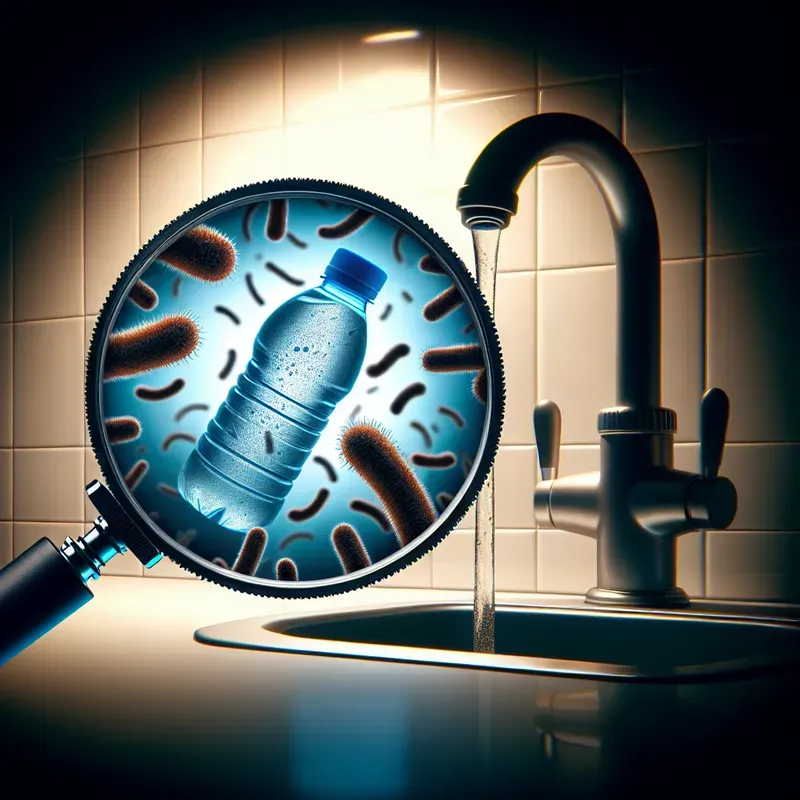
- What: The article explains that bottled water is not necessarily bacteria-free and that storage, handling, and sealing conditions can affect microbial levels over time.
- Where:
- When:
Bottled water is often treated as the cleaner option by default. But “bottled” and “bacteria-free” are not the same thing. Research has found that some bottled waters can carry measurable microbial loads, and in some cases those levels can exceed those found in tap water.
Bottled Water and Microbial Loads
That does not automatically mean bottled water is dangerous. Many bacteria found in water are not harmful, and microbial presence alone is not the same as a health threat. The more useful point is that bottled water’s reputation for purity can be misleading if it suggests a sealed bottle stays microbiologically unchanged over time.
Part of the issue is storage. Bottled water may spend long periods in warehouses, trucks, and on store shelves before it is opened. If conditions are poor, especially with heat exposure or long storage times, bacterial counts can rise. Packaging and sealing also matter. A bottle is only as protected as the conditions under which it was filled, sealed, transported, and stored.
How Storage Affects Bottle Safety
Tap water, by contrast, is not simply “water from the pipe.” In many places it is regularly disinfected, monitored, and tested under a different regulatory system. That does not make tap water universally better, and local water quality can vary. But it does complicate the common assumption that bottled water is automatically the more controlled or safer choice.
The real misconception is that bottled water is pure in a permanent, untouched sense. It is a packaged product with a shelf life, handling history, and environmental exposure, just like anything else on a retail shelf. For most people, the practical takeaway is less about fear than about context: bottled water is not inherently sterile, storage conditions matter, and “sealed” does not mean nothing inside can change.
Did You Know?
Some bottled waters are classified as “natural mineral water” in many countries, which means they must come from a protected underground source and meet specific labeling rules.