
⚙️ Traces from the dawn of innovation
How Virtual Reality Is Finding a Real Role in Pain Management
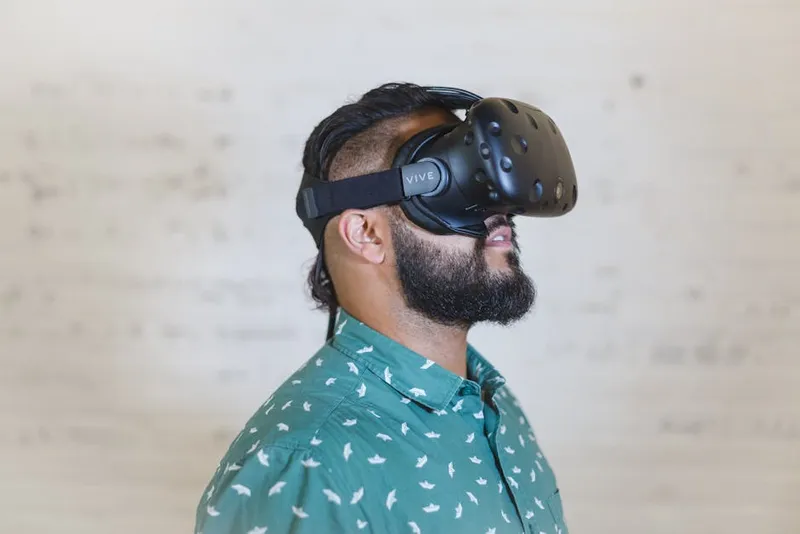
- What: Research has found that immersive virtual reality can reduce pain perception when users are deeply engaged, suggesting VR may be a useful clinical tool for pain management.
- Where:
- When:
Virtual reality is often discussed as entertainment technology, but research points to something more practical: under the right conditions, it can reduce how much pain patients feel.
How VR Reduces Pain
The key detail is that VR does not appear to work simply because a headset is on someone’s face. The benefit showed up when people were deeply engaged in an immersive experience. That distinction matters. The idea is not that virtual reality erases pain on its own, but that it can change how the brain processes pain signals when attention is fully absorbed elsewhere.
That makes VR less of a futuristic gimmick and more of a clinical tool with clear limits. Pain is not just a direct readout from the body. It is also shaped by attention, expectation, and context. An immersive digital environment can tap into that by giving the brain something vivid enough to compete with discomfort.
Immersive Distraction and Attention
Picture a patient dealing with severe ongoing pain. A flat distraction may not do much. But a convincing virtual scene, whether calming or intense, can demand enough focus to interrupt the experience of pain, at least temporarily. The point is not the specific setting, but the level of involvement. Passive viewing is one thing. Feeling mentally present somewhere else is another.
That also corrects a common misconception. The interesting part of VR pain research is not that it replaces medicine or offers a universal fix. It is that it may add another option, especially in settings where reducing pain without relying entirely on traditional methods would be useful. Used that way, VR fits alongside existing care rather than standing apart from it.
A Clinical Tool With Limits
There is still plenty to sort out, including when it works best and for whom. But the basic result is straightforward: immersive virtual reality may help reduce pain perception when patients genuinely enter the experience. For healthcare, that shifts VR from a novelty category into a more serious conversation about practical pain management tools.
Did You Know?
Virtual reality is already used in some hospitals and clinics for rehabilitation and physical therapy exercises.