
🛍️ Artifacts of human ingenuity
How Reliable Is the Gluten-Free Label?
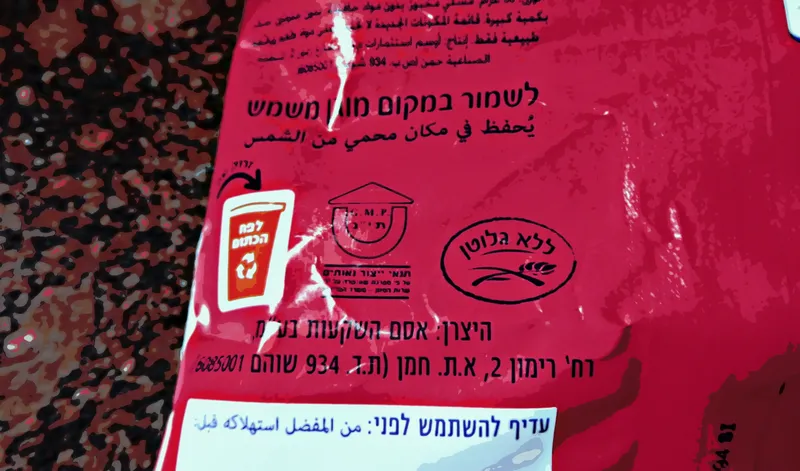
- What: Gluten-free labels in the U.S. mean a product contains less than 20 parts per million of gluten, so the label is a regulatory standard rather than a guarantee of zero gluten.
- Where: United States
- When:
Gluten-free labels sound absolute, but the standard behind them is narrower than many shoppers assume. In the United States, the FDA allows a product to be labeled gluten-free if it contains less than 20 parts per million of gluten. That threshold is acceptable for many consumers who avoid gluten, but it also means “gluten-free” does not mean zero gluten.
FDA Gluten-Free Label Standard
That distinction matters most for people with celiac disease, who often depend on labels as a practical safety signal. The problem is not always the recipe itself. It can start earlier, in shared facilities, on shared equipment, or anywhere a gluten-free product comes into contact with ingredients used for conventional foods. A package can meet gluten-free marketing expectations while still carrying trace contamination.
Research has helped explain why this remains a live issue rather than a technicality. Studies have found that some products sold as gluten-free contained detectable amounts of gluten. That does not mean every label is unreliable, or that the category is broadly misleading. It means the label describes a regulatory threshold, not a guarantee of complete absence.
Gluten Contamination and Celiac Risk
That is where a common misconception creeps in. Many people read “gluten-free” as a clean yes-or-no claim, when it is really a controlled limit. For some consumers, that difference may not change much. For others, especially those managing celiac disease, it can shape which brands they trust and how much weight they place on third-party certification or manufacturing practices.
The more useful question is not whether gluten-free products are real, but how tightly the standard is enforced and how carefully individual brands control contamination. A gluten-free label still matters, but it works best when consumers understand what it does and does not promise.
Did You Know?
The FDA also applies its gluten-free definition to foods labeled “no gluten,” “free of gluten,” or “without gluten.”