
🛍️ Artifacts of human ingenuity
Why Flour and Water Can Work as a Simple Glue
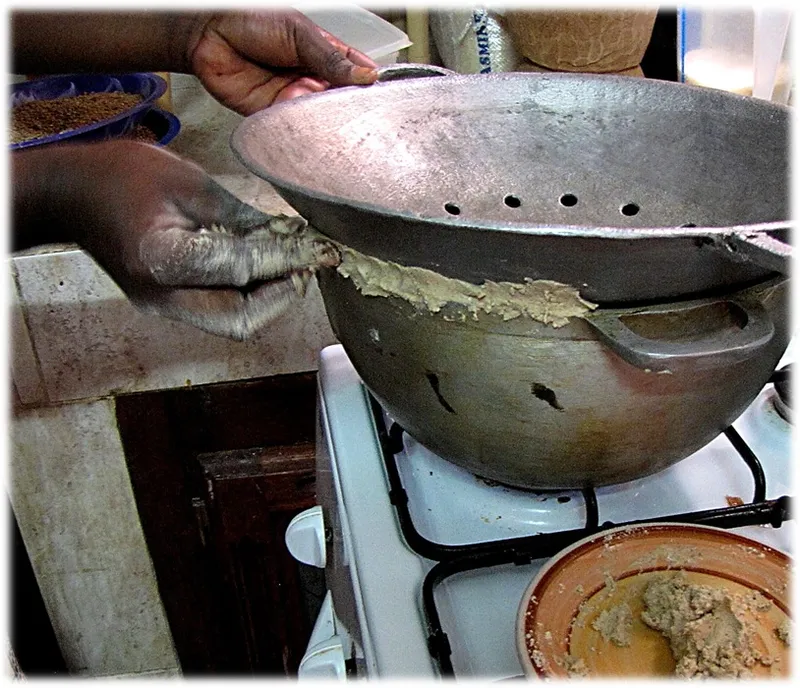
- What: Flour and water can form a simple starch-based paste that works as a light adhesive, especially on porous paper and cardboard, but it is weak, perishable, and best suited to temporary use.
- Where:
- When:
Flour and water can make a usable glue because flour contains starch. Once mixed with water, that starch absorbs moisture, swells, and thickens into a paste. As the paste dries, it leaves behind a thin film that can grip porous surfaces, especially paper. It is a basic material, but the chemistry is real.
How Flour Paste Works
That is why flour paste has been around for so long. It shows up in older paper-based work, in temporary posting, and in everyday crafts. Some sources connect related starch adhesives to ancient paper-like materials such as papyrus, although the exact history varies by source. What is less disputed is the broader point: starch paste is an old, cheap, and repeatable way to make a light adhesive from common ingredients.
The key is not strength in the modern industrial sense. Flour paste is useful because it spreads easily, soaks slightly into fibrous surfaces, and then dries into a bond that is often sufficient for lightweight jobs. On paper, cardboard, and similar absorbent materials, that can be enough. On slick, heavy, or moisture-exposed surfaces, it usually is not.
Limits of Flour Glue
That limited range is part of the story, not a flaw in the explanation. Flour-and-water paste can spoil, it does not store well for long, and it weakens when conditions get damp. If the mix is too thin, it turns runny and weak. If it is too thick, it becomes lumpy and hard to apply evenly. A common starting point is roughly equal parts flour and water, stirred smooth and allowed to sit briefly so the starch can hydrate before use.
Flour Paste vs. Wheat Starch
It also helps to separate flour paste from more refined starch pastes. In conservation and book work, people often use wheat starch paste rather than ordinary wheat flour paste. That distinction matters because flour paste is the rougher, simpler version. Even so, for posters, paper crafts, and temporary bonds where low cost matters more than durability, flour and water remain a practical adhesive made from ordinary pantry chemistry.
Did You Know?
Wheat starch paste is commonly preferred in book and paper conservation because it is more refined than ordinary flour paste.