
🛍️ Artifacts of human ingenuity
Why Google Home Has Trouble When Several People Talk at Once
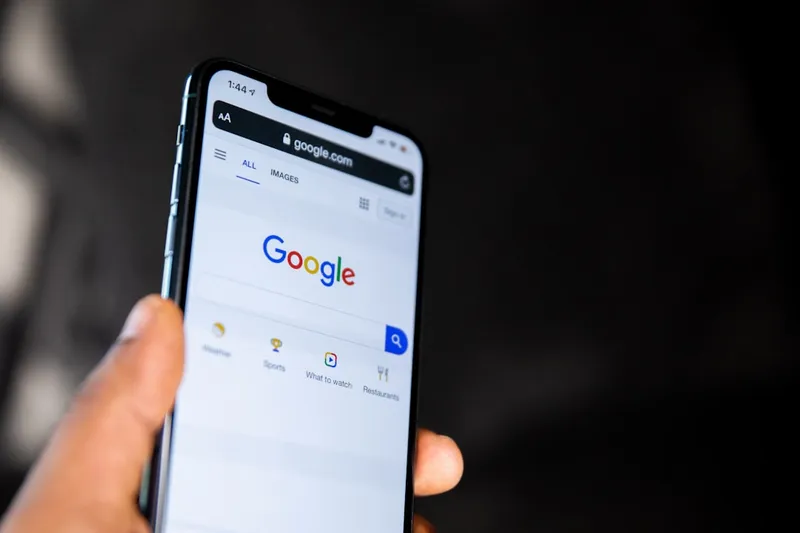
- What: The article explains that Google Home can struggle in busy rooms because it must separate overlapping speech, identify the right speaker, and process commands accurately at the same time.
- Where: In home settings with background conversation or multiple people speaking at once.
- When:
Google Home may seem like it should handle a room full of voices without much trouble. In practice, that is often where things break down.
Why Multiple Voices Cause Problems
The problem is not simply that the device fails to hear. Several separate tasks have to happen at once. The speaker has to pick out a command from background conversation, decide which sounds belong to the person addressing it, and then process what was said clearly enough to respond. Those are related problems, but they are not the same.
That distinction matters in a busy room. If family members are talking over one another, or guests are chatting nearby, the device may struggle with what is often described as crosstalk. Overlapping speech can blur the command itself. Room acoustics can make that worse, especially when voices bounce around a space instead of reaching the microphones cleanly. Even when the system is built on sophisticated voice recognition, that does not guarantee reliable performance when the input is messy.
Speaker Recognition vs. Speech Separation
There is also a common misconception behind the frustration. People often assume that if a smart speaker can recognize different users, it should also be able to manage several simultaneous voices with ease. But speaker recognition and handling multiple voices in real time are not interchangeable features. Identifying a known voice is one task. Separating competing speech signals and deciding which request to act on is another. If account-specific responses are involved, that adds another layer.
The result is familiar to many users. A music request made during a crowded game night gets ignored. A question asked in the kitchen is answered incorrectly because conversation nearby bleeds into the command. In quieter conditions, the same device may work perfectly well, which makes the failure in social settings feel inconsistent rather than predictable.
Why Voice Systems Still Struggle
Google and other companies continue refining voice systems, but the gap between single-speaker demos and real household use remains noticeable. Multiple-voice support sounds straightforward because human listeners do it constantly. For a smart speaker, though, hearing the wake word, isolating speech, identifying the speaker, and delivering the right response are separate hurdles. In a noisy room, any one of them can be enough to derail the exchange.
Did You Know?
Amazon’s Alexa introduced a “Voice Profiles” feature to help devices respond more accurately to different people in a household.